Answering the search for adaptable seating options for kids, this guide highlights chairs and alternative seats designed to grow with children, support healthy posture, and improve focus during study and play. The top picks balance adjustability, safety, and active sitting to suit different learning environments—from classrooms to home desks. Best for active learners, kids with sensory needs, or families seeking ergonomic growth chairs, these picks aim to foster good sitting habits over time.
| Product | ||
|---|---|---|
| Costzon Kids Desk Chair | Ergonomic Desk Chair | Growing children (6–12) needing back support and adjustable height |
| Gaiam Stay-N-Play Balance Ball | Active classroom chair with built-in legs | active, restless students who benefit from movement |
| Trideer Yoga Ball Chair | Stability ball chair | Concentration through movement and posture variation |
| BALAPET Sensory Seat Wedge | Wedge floor seating | Sensory seekers, calm corners, and focus time |
| HONEY JOY Desk Chair | Adjustable backrest chair | Growing kids needing dual-back support and stability |
Costzon Kids Desk Chair, Ergonomic Adaptable Backrest

The Costzon chair is designed to grow with children aged roughly 6–12, featuring adjustable seat height from 14” to 17”. Its adaptive double backrest supports healthy posture and movement, while a soft padded mesh seat offers extended comfort for long study sessions. This option is best for families seeking a budget-friendly ergonomic chair with explicit growth features and back support.
Who it’s best for: Children who need a dependable, height-adjustable desk chair with a two-section backrest to encourage proper posture during schoolwork.
Why chosen: Combines height adjustability and a self-adapting backrest to align with developing spines, plus breathable seating for comfort during longer tasks.
One caution: As with mesh sits, ensure the chair fits the desk height precisely to avoid awkward angles during typing or writing.
Gaiam Stay-N-Play Balance Ball

The Stay-N-Play Balance Ball provides a flexible seat that encourages active sitting. It includes five soft stabilizing legs to keep the ball in place when not in use and aims to promote healthy posture and core strength as kids learn, read, or watch media. It’s a strong option for active learners who benefit from movement while seated.
Who it’s best for: Kids who focus better with movement and enjoy a dynamic seating experience in classrooms or at home.
Why chosen: Combines a flexible seating surface with stability legs that prevent tipping, making it a practical transitional seat.
One caution: The ball moves with posture changes, which may require a stable desk setup to prevent distractions during precise tasks like handwriting or tests.
Trideer Flexible Classroom Yogo Ball Chair
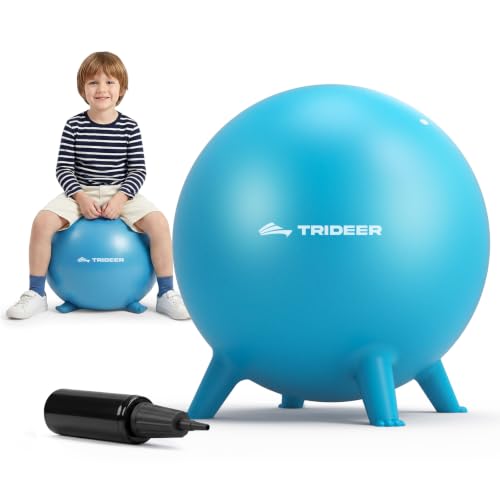
This 55cm wobble chair is designed to improve concentration by promoting movement. Movement increases blood flow to the brain, aiding focus and reducing restlessness. The chair is built with safety standards in mind and a weight tolerance that supports older children and teens, making it a good fit where varied seating is needed.
Who it’s best for: Students who benefit from postural variation and movement while studying or participating in class discussions.
Why chosen: Evidence-based theory on movement aiding focus is applied in a classroom-friendly form with durable materials.
One caution: It weight-tolerant design is best used with desk heights that align to the ball height to avoid over-extension of legs or wrists.
BALAPET Sensory Seat Wedge Cushion
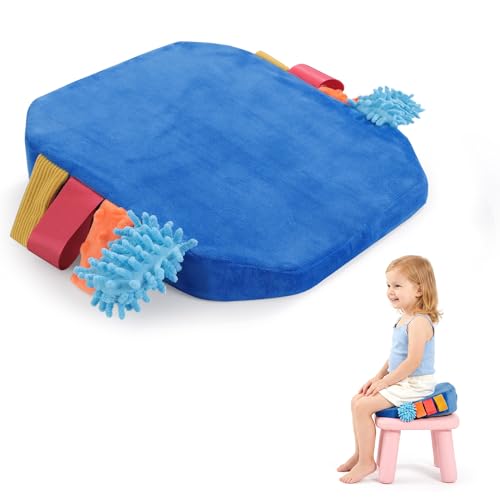
This wedge cushion provides flexible floor seating with a sensory-friendly surface. The sensory seat features tactile tags to engage little hands and a removable, washable cover for easy care. It’s ideal as a calm corner or quick-focus station, offering gentle movement without restricting posture to a fixed chair.
Who it’s best for: Children who need sensory input during learning or quiet play to sustain attention without a traditional chair.
Why chosen: Simple, non-seat-based seating that supports focus and calm for sensory seekers or classrooms that require varied seating options.
One caution: Not a substitute for desk-based tasks that require stable writing surfaces or precise keyboard work.
HONEY JOY Kids Desk Chair with Adaptive Backrest

The HONEY JOY chair offers an adjustable seat height from 11.5” to 15” and a dual backrest with an automatic tilting mechanism. Reinforced H-shaped legs and non-slip foot pads contribute to stability, while the design supports growing children as their desks and tasks change. This is a strong option where dual-back support and stability are prioritized.
Who it’s best for: Young students who require adjustable seating with additional back support to maintain posture during long homework or creative sessions.
Why chosen: Combines adjustable height and adaptive back support with a sturdy build, suitable for use at home or school settings.
One caution: The maximum weight and desk compatibility should be checked to ensure long-term usability as children grow taller.
Buying Guide: How to Choose Adaptive Seating For Children
- Look for adjustable seat height ranges and backrest adjustability that match the child’s current size and expected growth over the next few years.
- Dual backrests or ergonomic contours support the natural spine curve. Consider backrest adaptability and tilting mechanisms for varied tasks.
- Active seating (ball chairs, wobble seats) encourages movement, which can aid focus but may require a stable desk setup for precise tasks.
- Breathable fabrics, cushioned seating, and safety standards matter. Weight tolerance and build reliability reduce wobble and provide longevity.
- Floor seated options are ideal for calm corners, while desk chairs suit homework and computer use. Consider classroom or home environments.
- Removable, washable covers simplify cleanup for active kids or sensory-sensitive users.
- Compare long-term value: higher adjustability and durable build can reduce future replacements as children grow.
Frequently Asked Questions
- What type of seating best supports a growing child? A chair with adjustable seat height and backrest, plus a back support design that adapts to movement, tends to offer the best long-term usability.
- Are active seating options suitable for all tasks? They are beneficial for focus and movement but may not be ideal for precise handwriting or testing without a stable surface.
- How do I choose the right desk height? Ensure the child’s feet rest flat on the floor or a footrest, with forearms parallel to the desk surface when typing or writing.
- Is a floor wedge seat better than a chair? Wedge seats support sensory needs and calm corners, but may not replace a desk chair for work tasks requiring a stable seating position.
- What should I look for in safety terms? Check weight capacity, sturdy legs, non-slip feet, and padding to minimize slippage and injuries during movement.
- Do these chairs require assembly? Most adjustable seating options include assembly steps; follow manufacturer instructions for safe setup.