Adhesive dressings for wounds provide a protective, non-adherent surface that supports healing while preventing additional irritation. This guide highlights five reliable options, explaining who each is best for and why. The focus is on dressings that keep moisture balanced, cushion the wound, and minimize pain during changes. Ideal buyers include home-first-aid kits, travelers, caregivers for chronic wounds, and people seeking non-stick options for delicate skin.
| Product | Brand | Size / Count | Best For |
|---|---|---|---|
| Covidien 6017 Telfa Adhesive Dressing | COVIDIEN | 2″ x 3″, Pack of 100 | Non-stick surface for fragile wounds; bulk supply for households and clinics |
| Healqu Island Dressing 4″x4″ | Healqu | 4″ x 4″, 30 Count | Everyday cuts and scrapes; comfortable, breathable protection |
| Healqu Island Dressing 6″x6″ | Healqu | 6″ x 6″, 30 Count | Moderate to larger wounds requiring breadth and moisture management |
| YHOVID Island Dressing 4″ x 4″ | YHOVID | 4″ x 4″, 50 Count | Soft, breathable, high-absorption for everyday use |
| Dimora Silicone Ultra Absorbent Dressing 5″x5″ | Dimora | 5″ x 5″, 10 Count | Heavy exudate wounds; silicone border minimizes sticking |
Covidien Telfa Non-Stick Adhesive Dressing

Best for: Caregivers seeking a non-adherent surface that won’t pull on healing tissue. Features include highly absorbent cotton fabric with perforated non-adherent film on both sides and adhesive strips to keep the dressing in place. This option minimizes tissue disruption, making it suitable for delicate wounds or sensitive skin. A potential limitation is that it relies on adhesive strips for fixation, which may require careful placement on very irregular wounds.
Healqu Island Dressing 4″x4″
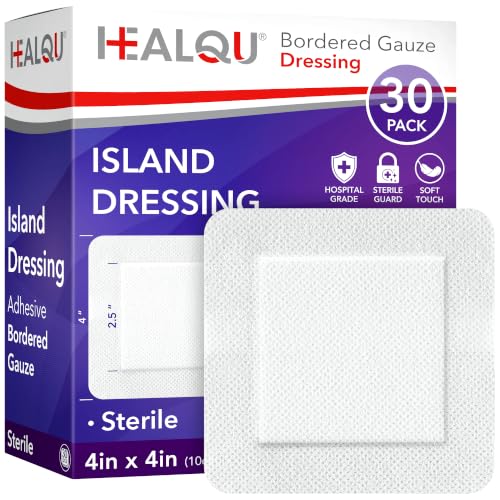
Best for: Everyday household wound care with easy use. The bordered gauze island dressing is designed to protect fresh cuts and scrapes without sticking to the wound, promoting faster healing by enabling breathability. It’s best for minor injuries and quick, on-the-go dressing changes. Caution: edges may be sticky around the border, so ensure proper alignment to avoid discomfort.
Healqu Island Dressing 6″x6″
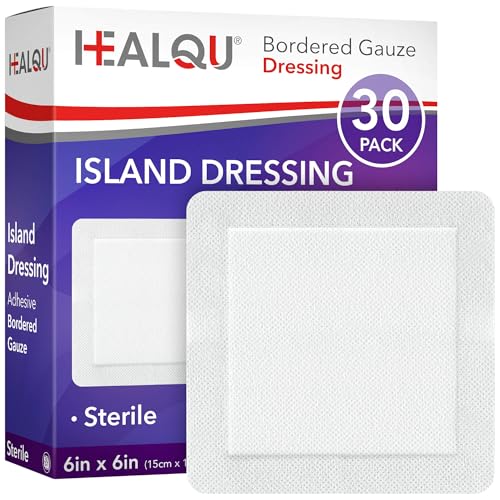
Best for: Slightly larger wounds or areas requiring broader coverage. The 6″x6″ version maintains breathability and a non-sticky center, supporting faster healing. Best when you need more surface area without sacrificing comfort. Limitation: larger size may be less flexible on joints or curved areas.
YHOVID Island Dressing 4″x4″

Best for: High-absorption needs with a skin-friendly adhesive border. The island dressing balances moisture and air flow to support healing, making it a reliable option for daily wounds, stitches, and light exudate. Caution: may be more adhesive than some ultra-gentle options, so test on sensitive skin first.
Niceful Adhesive Gauze Bandages 2″x3″

Best for: Wounds needing non-adherent centers with strong adhesion at the border. The 2″x3″ size is convenient for small, contained injuries. It offers soft, breathable materials and high absorbency, aiding quicker healing. Choose this if you want reliable adhesion without sticking to the wound; avoid if you require a larger pad or very thin skin.
Dimora Silicone Super Absorbent 5×5

Best for: Heavy exudate and sensitive skin care. The silicone contact layer minimizes wound disruption, while the SAP-core quickly absorbs and gels exudate, extending wear time. It also features 360° outward extension to fit irregular contours. Limitation: higher cost and limited count per package may affect frequent dressings for heavy exudate wounds.
Dimora Silicone Ultra Absorbent 4×8

Best for: Post-surgical wounds or bed sore management with thick exudate. The 4″x8″ size covers larger areas while maintaining breathability and non-stick properties. Choose this for broad wound coverage with reliable exudate control. Caution: ensure proper sizing to avoid excessive padding on small wounds.
Niceful Island Dressing 4″x4″

Best for: All-in-one protection for minor wounds and first-aid kits. The 4×4 island dressing is sterile, individually wrapped, and designed to prevent sticking to the wound while offering a breathable, water-resistant outer layer. Useful for travel, workplace kits, and household readiness. Limitation: may be less ideal for large, high-exudate wounds.
Buying Guide: Key Purchase Considerations
- Adhesive versus non-adhesive: If the wound is delicate, prefer non-adherent centers with adhesive borders to reduce pain during changes.
- Breathability and moisture management: Look for breathable materials that balance exudate absorption with air flow to speed healing.
- Size and coverage: Choose sizes that match wound dimensions; larger wounds may require extended coverage to protect surrounding skin.
- Skin sensitivity: For sensitive skin, opt for silicone-based borders or skin-friendly adhesives to reduce irritation.
- Sterility and packaging: Individually wrapped sterile options minimize contamination risk for home and travel use.
- Reuse and changes: Consider how often dressings need changing; high-absorbency options reduce frequency, lowering disruption to healing.
Frequently Asked Questions
- What is the difference between island dressings and standard gauze? Island dressings have a central non-stick pad with an adhesive border, offering non-adherence to wounds while staying in place better than plain gauze.
- When should I change an adhesive dressing? Change when the dressing becomes soaked, loose, or dirty, or per medical advice to prevent infection.
- Are silicone dressings better for sensitive skin? Silicone borders reduce skin irritation and are gentler on fragile skin while maintaining adhesion.
- Can these dressings be used for stitches? Yes, many island dressings protect stitches by covering the area without sticking to the incision, aiding comfort during healing.
- Is larger always better for wounds? Not necessarily. Choose a size that fully covers the wound with some margin, avoiding unnecessary bulk on small areas.
- Do these dressings require a医疗 professional to apply? For minor wounds, home application is typical, but seek professional guidance for complex or heavily exudating wounds.