When choosing aids for Alzheimer’s patients, prioritize simple, calming, and easy-to-use items that reduce anxiety, promote hand use, and support daily routines. The following five products are well-suited for different needs—from fidget comfort to memory-friendly activities. This guide helps caregivers decide who each product is best for and why it’s a strong pick in its category.
| Product | Best For | Why It Stands Out |
|---|---|---|
| Sensory Aids Wrist Cuff | People who benefit from wearable fidget items | Light, calming, easy to wrap around the wrist; includes varied textures to occupy restless hands. |
| Fidget Board for Dementia | Those who like real-life tactile tasks | Buttons, keys, latches, and locks stimulate fine motor skills and memory cues. |
| Fidget Ring | Travel-friendly sensory tools | Lightweight, wearable on a finger; portable for anxious moments away from home. |
| 6 Pack Large Piece Puzzles | Mentally engaging activities | Large, easy-to-handle pieces support cognitive exercise and coordination. |
| CheckList Boards | Task organization and independence | Structured daily planning helps with routines and reduces memory strain. |
Sensory Aids Wrist Cuff For Therapy And Anxiety Relief

The Okueejur Sensory Aids Wrist Cuff is designed as an efficient therapeutic tool for reducing anxiety and restlessness in Alzheimer’s and dementia. It wraps around the wrist for easy access to a calming, hands-on activity. The cuffs are lightweight and portable, making them suitable for home use or travel. Best for caregivers seeking a comfortable, wearable option that provides varied tactile stimulation without taking up space in a bag or purse.
Who it’s best for: individuals who benefit from immediate, wearable sensory input and low-effort setup. Why selected: its wrap-and-go design supports short, frequent sensory breaks. Caution: ensure a proper fit to avoid looseness that may reduce effectiveness and avoid tight compression on sensitive skin.
Fidget Board For Dementia Patients

The SHFGYG Fidget Board for Dementia Patients offers familiar, real-life items like keys, latches, and locks to provide comforting, constructive activities. It is designed to stimulate cognitive function and fine motor skills while reducing restlessness. Best for seniors who respond well to tactile, everyday objects and benefit from a structured activity that mimics home tasks.
Who it’s best for: a patient who enjoys hands-on tasks and memory cues. Why selected: it provides a broad range of activities in one board, promoting calm through purposeful, repeatable actions. Caution: the variety may be overwhelming for very sensitive individuals; start with a small section and progress as tolerated.
Heyshapeing Sensory Aids Ring For Dementia

The Heyshapeing Sensory Aids Ring provides a lightweight, wearable option for dementia patients needing tactile engagement. It offers varied sensory activities on a compact ring, making it highly portable and easy to use anywhere. Best for patients who want a discreet, easy-to-carry device that can occupy hands during transitions.
Who it’s best for: someone who travels or moves between rooms often and needs a non-bulky option. Why selected: its finger-worne design minimizes bulk and is a practical choice for on-the-go sensory support. Caution: rings should fit properly to avoid slipping or discomfort during wear.
Large Piece Puzzles For Seniors

The 6 Pack Large Piece Puzzles by WSCXSC are designed for easy handling by seniors with limited dexterity. Each puzzle piece is larger and thicker, improving grip and reducing frustration. Best for cognitive exercise, hand-eye coordination, and leisure activity in nursing homes or home care.
Who it’s best for: patients who enjoy problem-solving tasks and benefit from gradual, achievable challenges. Why selected: larger pieces and an instructional guide help pace activities safely. Caution: avoid distraction-heavy puzzles for patients who prefer simple, straightforward tasks; start with one puzzle to build confidence.
Buckle Owls Aids For Alzheimer’s Patients
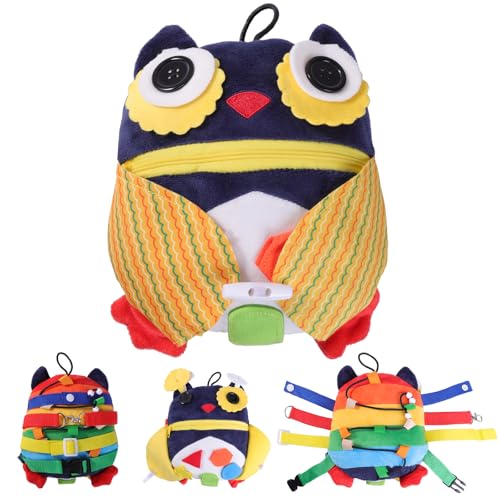
Thelefeke Buckle Owls Aids focus on motor skill development and problem solving through a sensory stuffed animal design. It targets boredom reduction and provides a safe, engaging way to keep hands busy. Best for caregivers seeking a playful, comforting companion that also supports cognitive tasks.
Who it’s best for: individuals who respond well to stuffed animals with interactive elements. Why selected: combines sensory alignment with motor practice. Caution: ensure small parts remain securely attached to avoid choking risks for severely agitated patients.
Buying Guide: Key Purchase Considerations For Alzheimer’s Aids
Purpose and setting: Identify whether the patient needs portable, wearable, or stationary aids. Wearables (like the Sensory Aids Wrist Cuff or Fidget Ring) suit on-the-go use; boards and puzzles fit at home or in care settings.
Level of engagement: Choose items matching the patient’s current cognitive and motor abilities. Simpler textures and fast setup work for early dementia, while more complex boards offer ongoing cognitive challenges.
Safety and comfort: Look for soft fabrics, sturdy stitching, and no small detachable parts for safety. Ensure materials are non-toxic and hypoallergenic where possible.
Caregiver practicality: Consider ease of cleaning, storage, and whether the item can be shared among residents in a care home. Removable parts or covers should be washable or easy to sanitize.
Durability and design: Prefer items with durable construction and familiar, low-stress designs. Real-life task simulations can reinforce memory cues without causing frustration.
Frequently Asked Questions
- What type of aid is best for early-stage Alzheimer’s?
– Simple fidget tools with familiar textures and easy wrap-around options are often most effective for immediate calming and engagement. - Are wearable aids safer than devices with small parts?
– Wearables reduce the risk of losing small components and are generally easier for caregivers to manage during daily activities. - Can puzzles help with memory in Alzheimer’s patients?
– Large-piece, easy-to-handle puzzles can support cognitive exercise and fine motor skills, but progress should be paced to avoid frustration. - How should I choose between a board and a ring?
– Choose a board for structured, stationary activities; opt for a ring when mobility and portability are priorities. - What safety concerns should I consider with sensory aids?
– Avoid items with sharp edges, small detachable parts, or choking hazards; ensure fabrics are soft and skin-safe. - Should I involve the patient in selection?
– Yes. Involving the patient in choosing preferred textures, colors, and activities increases engagement and adherence.