When recovering from a tibial stress fracture, a well-chosen air cast or boot can stabilize the leg, protect the injury, and reduce swelling during healing. This guide helps buyers select boots and post-op shoes that are best for different needs, from active daily wear to post-surgery protection. Ideal for athletes returning to activity, travelers managing swelling, and sore-foot patients seeking stable support, these picks emphasize comfort, fit, and practical features. Below is a quick summary table of five top options and who they’re best for.
| Product | Best For | Key Benefit |
|---|---|---|
| Mathgetin Tall Air Cam Fracture Boot (Medium) | Medium-footed injuries; general recovery | Air-cam cushions and tall design for stability |
| BraceAbility Closed Toe Medical Walking Shoe (M) | Post-op recovery and toe protection | Closed toe for bandage protection; roomy toe box |
| Vive Post Op Shoe | Post-surgery or injury with right/left fit | Two adjustable straps; universal left/right fit |
| Mathgetin Tall Walker Fracture Boot (Small) | Smaller foot sizing; high-calf stability | Inflatable air bags for customizable comfort |
| OTC Inflatable Pneumatic Air Walker Cast | Soft tissue injuries and stable fractures | Integrated air pump for easy inflation and compression |
Note: The selections emphasize stability, swelling management, and protection for tibial injuries. Each option includes a recommended use scenario and any notable limitations to consider during sizing and wear.
Mathgetin Tall Air Cam Fracture Boot (Medium)

The tall boot features a hard plastic shell for lateral protection and a design that restricts movement to reduce stress on the injured area. It uses air cam cushioning on both sides to provide adjustable compression and support, and a rocker sole to promote natural walking. Best for: medium-foot users needing strong protection and stable gait with swelling control. Caution: taller design may feel bulky for confined spaces, and proper sizing is essential to ensure effective immobilization.
BraceAbility Closed Toe Medical Walking Shoe (M)

This closed-toe surgical shoe provides a roomy toe box to accommodate swelling and bandages. It offers adjustable unisex sizing and is designed to shield the toes, foot, ankle, and leg during recovery. Best for: those who require protection from splints or casts while keeping toes dry and clean. Caution: ensure a precise size match to avoid excessive movement inside the shoe, which could irritate the injured area.
Vive Post Op Shoe
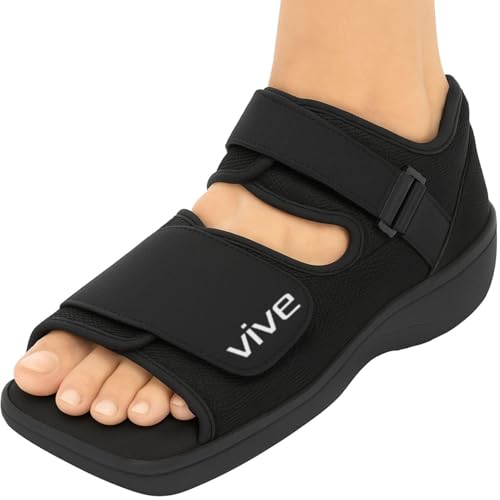
With two adjustable straps, the Vive post-op shoe ensures a secure fit for either foot and keeps casts or bandages dry. The square toe design contributes to a stable step, and the overall cabinetwork provides reliable protection after injury or surgery. Best for: users who need a universal fit with straightforward adjustment. Caution: sizing variability means you should check the chart before purchasing to avoid a loose or tight feel.
Mathgetin Tall Walker Fracture Boot (Small)

The tall walker boot for small feet emphasizes high-calf stability with built-in air bags on both sides for customized comfort during recovery. Best for: smaller-foot patients needing strong protection and reduced movement in the lower leg. Caution: ensure proper inflation to avoid excessive pressure on the injured area.
OTC Inflatable Pneumatic Air Walker Cast
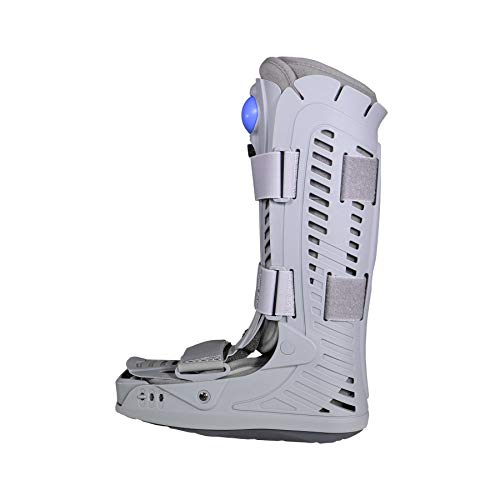
OTC’s pneumatic boot uses an integrated air pump bladder for customized compression and stability, helping to decrease pain and edema after trauma or surgery. Best for: patients who want adjustable support with simple inflation control. Caution: user must manage the pump to avoid over-inflation that could cause discomfort.
Buying Guide
What to consider when choosing an air cast or walking boot
Fit and sizing are critical for immobilization efficacy. Refer to each product’s size chart and consider toe room for swelling. Track whether the shoe is designed for left or right foot and if it accommodates casts or bandages.
Protection level and stability
Look for a rigid shell or tall design to restrict movement and reduce reinjury risk. A rocker sole can help reduce stress on the injured area, aiding a more natural gait during healing.
Compression and comfort features
Inflatable air bags or adjustable straps enable customized compression and comfort. A non-slip sole improves safety on floors and crutches use, particularly in slippery environments.
Water and wound care compatibility
Open-toe vs closed-toe designs impact how dressings or bandages are protected. Closed-toe options help keep dressings dry, while open designs may offer easier inspection of the toes.
Durability and daily usability
Since recovery may span weeks, select a boot with durable materials and simple maintenance. Consider weight, ventilation, and how easily the boot can be worn with socks or compression garments.
Sizing and return considerations
Check return policies and ensure you can exchange sizes if swelling changes. Some brands require specific male/female versions; verify the correct version before buying.
FAQ
- Q: Can I wear an air cast boot for a tibial stress fracture at night? A: Yes, if prescribed, for stabilization. Ensure it does not cause discomfort when lying down and follow clinician guidance.
- Q: How do I know which size to choose? A: Refer to the manufacturer’s sizing chart and consider swelling, casts, or bandages. If between sizes, err on the larger side for swelling space.
- Q: Is an inflatable boot better than a standard rigid boot? A: Inflatable boots offer adjustable compression to suit swelling and discomfort, while rigid boots provide strong immobilization. Choice depends on injury severity and medical advice.
- Q: Can I wear these boots with socks? A: Yes, most models accommodate socks, but ensure the fit remains snug and secure after adding socks or dressings.
- Q: How long should I wear a walking boot each day? A: Follow your clinician’s plan; many patients wear a boot during most waking hours and remove for gentle exercises as advised.
- Q: What are common signs to stop using a boot and seek help? A: Severe pain, numbness, increased swelling, or skin breakdown around the boot area require medical attention.