Answering the search for effective stroke rehab tools, this guide highlights air splints and related orthotic aids designed to manage tone, edema, and contractures. These devices are best for adults undergoing neurorehabilitation, after stroke or brain injury, and for long-term edema or spasticity management. The top picks below balance ease of use, inflation control, and targeted support for limbs most impacted by hemiplegia, spasticity, and functional finger or hand limitations. See the quick reference table for a snapshot of the five selected products.
| Product | Best For | Length / Size | Key Benefit |
|---|---|---|---|
| Urias 58007 Pressure Splints | Adult elbow/arm edema and tone control | 16″ length | Even air distribution around the extremity |
| Urias 58000 Pressure Splints | Long arm splinting for tone and edema | 31.5″ length | Comprehensive coverage for larger limbs |
| Urias Air Splint Short Arm 70cm | Short-arm rehab and contracture management | 70 cm | Neurological rehab support and edema control |
| KYTGFH Drop Foot Brace | Anti-drop foot support during walking | Standard brace length | Promotes secure heel strike and ankle stabilization |
| HOOMTREE Resting Hand Splint | Resting hand immobilization for healing | Right/Left options | Separate finger design for comfort and stability |
Urias 58007 Pressure Splints — 16″ Adult Elbow Splint

Best for: Adults needing targeted elbow support to reduce edema and manage abnormal tone after stroke or brain injury. This splint’s single-chamber design promotes even air distribution, aiding edema reduction around the elbow region while allowing muscle facilitation in neuro rehab. The length is 16″ before inflation and about 8.25″ wide, making it suitable for medium-sized arms.
Why selected: Its simplicity and focused elbow coverage make it a practical option for daily use in rehab programs where localized compression and positioning matter. The design supports both edema management and tone control without requiring complex adjustments.
Caution: Size must be matched to the limb length for proper fit; measure the extremity length before inflation to ensure correct sizing.
Urias 58000 Pressure Splints — 31.5″ Long Arm Splint
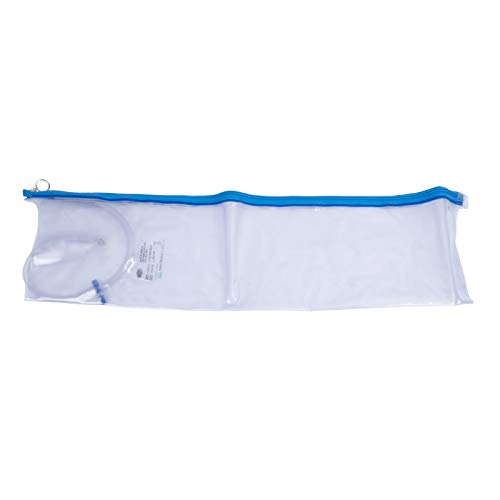
Best for: Individuals needing comprehensive long-arm coverage to address tone, edema, and contracture risks across a larger limb. The 31.5″ length and 8.25″ width accommodate extended areas often affected in severe stroke recovery. Ideal for patients requiring steady positioning during rest or therapy sessions.
Why selected: A longer splint provides uniform support along the forearm and upper arm, helping to maintain alignment during prolonged immobilization and facilitating consistent rehabilitation routines.
Caution: Longer splints can be bulkier; ensure the user can don and doff safely and that the surrounding environment supports easy application.
Urias Air Splint Short Arm 70cm

Best for: Neurological rehabilitation focusing on tone management, edema control, and early contracture reduction in the short arm. The 70 cm size provides broad coverage for the forearm and hand area, supporting consistent positioning.
Why selected: The short-arm form supports targeted therapy for tone reduction and muscle facilitation, aiding rehab plans that emphasize mobility alongside stability.
Caution: Effectiveness depends on proper inflation; follow sizing guidelines to avoid under- or over-inflation that could compromise comfort or effectiveness.
KYTGFH Drop Foot Brace Orthosis
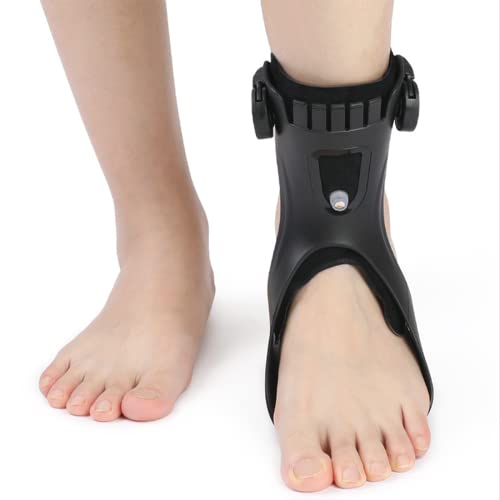
Best for: Individuals with foot drop due to stroke or hemiplegia seeking improved gait stability and heel strike. The brace uses a durable polyethylene frame and breathable fabrics to support the ankle and foot during walking.
Why selected: It provides dorsiflexion assistance and lateral stability, helping a patient improve walking mechanics and reduce energy cost during ambulation.
Caution: This device assists during the gait cycle; it is not a substitute for therapy or broader leg support in cases of severe spasticity or multi-joint impairments.
FANBODTA Finger Orthotics — Extended Fingerboard Splint

Best for: Stroke survivors needing finger extension and spasticity management, especially when finger flexion and deformities are a concern. The front and back fixators can be adjusted to fit both hands, with Velcro straps for secure positioning.
Why selected: The adjustable design supports finger alignment and reduces contracture risk by maintaining a more natural finger posture during rehab activities.
Caution: Ensure proper strap tension to avoid restricting circulation or causing discomfort during prolonged wear.
HOOMTREE Resting Hand Splint — Night Immobilizer

Best for: Night-time immobilization to support healing and reduce finger, palm, and wrist movement when pain or spasticity is problematic. The separate finger design and multiple straps aid comfort and stability.
Why selected: The ergonomic design and finger separators help maintain a restful hand position, which is beneficial for reducing overnight muscle tension and promoting recovery.
Caution: For some users, the extended wear may cause pressure points; ensure a proper fit and periodic adjustments during use.
MUROCEA Resting Hand Straighten Splint

Best for: Right-hand restorative therapy with emphasis on three-dimensionally fitted support that matches the hand’s arc. Useful for arthritis, spasticity, and finger alignment exercises.
Why selected: The curved palm plate and breathable design ensure comfort during extended wear and rehabilitation exercises that involve finger and hand movement.
Caution: Check fit carefully; an ill-fitting splint can hinder recovery or cause skin irritation over time.
EGOTERRA Hand Contracture Cushion With Air Pump

Best for: Stroke and hemiplegia rehabilitation requiring finger separators and inflatable palm support. The adjustable cylinder and straps allow customized pressure and comfort during exercises.
Why selected: The hand-operated air pump enables tailored pressure, supporting muscle relaxation and targeted strengthening of the grip and forearm during therapy sessions.
Caution: Use gradual inflation changes and monitor comfort levels to avoid excessive pressure on sensitive areas.
Buying Guide: Key Considerations For Air Splints And Related Aids
- Sizing and fit: Measure limb length and width to ensure a proper seal and even pressure. Ill-fitting splints can worsen edema or restrict circulation.
- Purpose and placement: Choose devices designed for the affected area (elbow, forearm, hand, or foot) based on tone, edema, contracture risk, and functional goals.
- Inflation control: Look for single- or multi-chamber designs with easy-to-use inflation mechanisms to adjust pressure as rehab progresses.
- Skin safety: Prioritize breathable materials and soft linings; check for skin irritation or pressure points during wear.
- Ease of use: Consider how quick and safely the device can be donned and doffed, especially for night-time or home use.
- Durability and cleaning: Choose devices with durable shells and washable components to maintain hygiene during long rehab programs.
- Mobility and activity: For walking devices like ankle/foot braces, assess how the brace affects gait, balance, and daily activities.
- Therapy integration: Align splint selection with professional rehab plans, ensuring compatibility with therapy sessions and caregiver assistance.
FAQ
- What is an air splint most commonly used for after a stroke?
– Air splints are used to manage edema, support limb positioning, and assist in tone reduction during neurorehabilitation. - How do I determine the right size for an elbow splint?
– Measure the length of the limb from relevant joints and compare to the product’s stated length to ensure proper coverage. - Can these splints be worn at night?
– Several models are designed for night use, but always follow clinical guidance and product instructions for safety. - Are these devices suitable for both right and left limbs?
– Some models come in both right and left configurations; verify availability before purchase. - Will inflation pressure vary during therapy?
– Yes, pressure can be adjusted as rehabilitation progresses and comfort levels change. - Should I consult a clinician before using an air splint?
– Yes. A clinician can tailor sizing, placement, and usage to the patient’s specific healing plan and risks.