Finding a dependable alert system for seniors involves balancing speed, reliability, ease of use, and coverage across living spaces. This guide highlights five prominent options that support caregivers and loved ones with rapid notifications, multi-device setups, and no or low monthly fees. Each choice prioritizes simple, accessible alerts you can rely on at home or in care settings. Read on for detailed product sections, a concise comparison, and practical buying tips to help you select the right system for varied needs and living arrangements.
| Product | Brand | Key Benefit | Range |
|---|---|---|---|
| CallToU Wireless Caregiver Pager | CallToU | Portable receivers with neck strap options | 500+ ft |
| MT EXESPR WiFi Caregiver Pager | MT EXESPR | No monthly fee, app notifications | Up to 656 ft |
| CallToU Wireless Caregiver Pager (3 Receivers) | CallToU | Multiple receivers for larger homes | 500+ ft |
| PILSAMAS WiFi Caregiver Pager | PILSAMAS | 2+1 design with wristband | 230 ft (through walls) |
| PRNBRH Life Alert System | PRNBRH | App-controlled, multi-point connectivity | Up to 300 ft (WiFi) |
CallToU Wireless Caregiver Pager – 2 Receivers
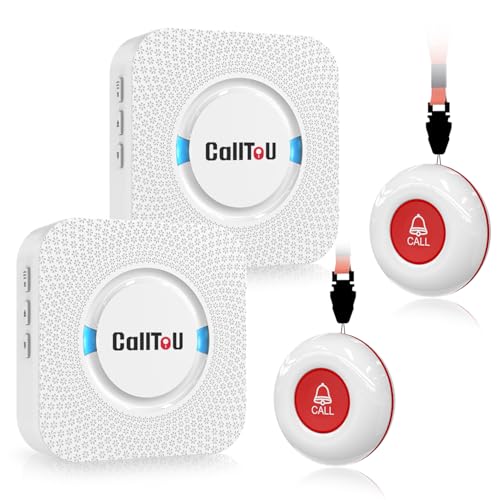
The CallToU system provides two receivers and two call buttons, enabling caregivers and residents to stay connected across living spaces. This setup is ideal for seniors who require assistance within bedrooms, kitchens, or living areas, with a 500+ foot range when outlets are available for the receivers. The pendant-like call button can be worn with a neck strap or mounted, ensuring quick access during an emergency. The receiver supports 55 different ringtones and five volume levels (0 dB to 110 dB) for clear alerts. Easy plug-in operation makes setup straightforward for caregivers and facilities alike.
MT EXESPR WiFi Caregiver Pager

This WiFi-based system offers no monthly fees and app-driven alerts to family mobiles. It uses 2.4 GHz Wi‑Fi for remote notifications and supports instant multi-channel alerts in case of emergencies. With a signal range up to 656 feet and walls as obstacles, it helps ensure that caregivers are notified even if the senior is moving around a large home. The kit emphasizes immediate app notifications and broad reach for households that want smartphone integration without ongoing charges.
CallToU Wireless Caregiver Pager – 3 Receivers

This variant expands the setup with three plug-in receivers, increasing coverage for larger homes or multi-room layouts. The system preserves the same benefits as the two-receiver version: quick button-press alerts, neck-strap wearability for the pendant-style call button, and 500+ foot operational range. With 55 ring tones and adjustable volume, caregivers can customize alerts to minimize missed notifications and optimize response times in busy environments.
PILSAMAS WiFi Caregiver Pager

Designed for modern homes, PILSAMAS uses a 2.4 GHz Wi-Fi hub to enable smart app control, enabling 18 tones, four volume levels, and real-time monitoring. The 2+1 design includes two call buttons and a wearable wristband, increasing accessibility for on-the-go seniors. The system supports 230 feet of range through walls and allows family members to share notifications across devices, with lifetime free updates and optional subscription-based SMS or email alerts.
PRNBRH Life Alert System

This system emphasizes app-controlled alerts via a WiFi connection with two call buttons and one receiver. It supports remote push notifications to a smartphone app and is suitable for homes and care facilities where caregivers require real-time visibility. The dual-channel reliability helps maintain connectivity even during local internet outages, ensuring that help can be dispatched when needed. The kit is designed for easy setup and clear differentiation of user needs through device labeling.
Buying Guide: Key Purchase Considerations And Comparisons
- Connectivity: Evaluate whether a system uses dedicated radio frequencies or relies on Wi-Fi. For homes with unstable Wi-Fi, a non-Wi-Fi option with strong RF range can be more reliable.
- Range And Penetration: Consider how far the devices must work inside walls or across multiple rooms. Look for models advertising wall penetration and extended range (e.g., 200–656 feet).
- Alerts And Notifications: Check for multiple alert channels (sound, flashing lights, app push, SMS, or emails). Ensure tones and volume levels accommodate users with hearing impairment or a loud environment.
- Number Of Devices: If the home is large or multi-room, a system with multiple receivers or add-on expandability helps avoid missed alerts.
- Wearability And Convenience: Neck straps, wristbands, and belt clips improve accessibility for seniors who may not be near a receiver. Consider whether buttons are waterproof or easy to press.
- Subscriptions And Fees: Some systems offer no monthly fees, while others require paid plans for SMS, calls, or cloud services. Compare lifetime updates vs. ongoing costs.
- Setup And Maintenance: Look for plug-and-play kits with clear instructions. Battery life, device labeling, and app usability affect long-term maintenance.
- Security And Privacy: Ensure data transmitted via apps and cloud services is protected and that user consent and data controls are clear.
- Compatibility With Care Facilities: If used in a facility, ensure the system supports multiple users and can integrate with staff workflows.
In sum, the best alert system for seniors blends reliable connectivity, simple operation, and scalable coverage. When evaluating options, test button responsiveness, confirm range in typical living spaces, and verify whether caregivers can receive timely notifications on all preferred devices. Consider a trial period to confirm that alerts reach family members and caregivers under real-world conditions.