If you need daytime relief from sneezing, itchy eyes, runny nose, and congestion, this guide helps you pick the right over-the-counter option. The selections below focus on non-drowsy, daytime-friendly medicines suitable for work, school, or active days. Each product is chosen for ease of use, reliable duration, and suitability for common indoor and outdoor allergens. The top picks vary by active ingredient, form, and whether you prefer a quick-dissolving tablet, a travel-friendly pack, or a familiar brand.
Who should consider these options?
– For non-drowsy, long-lasting relief: choose loratadine or fexofenadine.
– For rapid relief of nasal congestion: consider an oral decongestant combination.
– For those who prefer dissolving tablets: look at quick-melt formats.
– For travel or on-the-go relief: look for multi-pack or travel-pack offerings.
This guide includes products best for adults and older teens seeking daytime symptom management without impacting alertness.
| Product | Active Ingredient | Best For |
|---|---|---|
| Claritin Allergy Medicine for Adults | Loratadine | Non-drowsy daytime relief, universal indoor/outdoor triggers |
| Allegra Adult 24-Hour Allergy Relief | Fexofenadine HCl | All-day relief with travel-friendly options |
| GenCare Cetirizine HCL 10 mg | Cetirizine HCl | Fast-acting non-drowsy relief, versatile for adults and kids |
| GoodSense Loratadine Orally Disintegrating Tablets | Loratadine | Discreet, on-the-go daytime relief |
| Tylenol Sinus + Headache Daytime Caplets | Acetaminophen + Phenylephrine | Symptom relief for sinus pressure and congestion |
Claritin Allergy Medicine for Adults

Active ingredient: Loratadine 10 mg. This tablet provides 24-hour non-drowsy relief, blocking histamines to alleviate sneezing, runny nose, itchy eyes, and itchy throat. Best for adults seeking a trusted, once-daily option with broad indoor/outdoor allergen coverage. Limitation: does not address nasal congestion directly—consider a decongestant if congestion is a primary concern.
Allegra Adult 24-Hour Allergy Relief
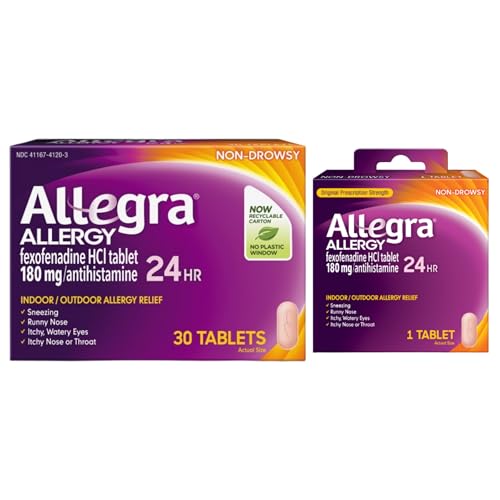
Active ingredient: Fexofenadine HCl 180 mg. This non-drowsy tablet provides around-the-clock relief for indoor and outdoor allergy symptoms. Best for readers who want a larger allotment of tablets and a travel-friendly option. Caution: check for any interactions if taking other medications containing decongestants or antihistamines.
GenCare Cetirizine HCL 10 mg

Active ingredient: Cetirizine HCl 10 mg. Delivers full 24-hour, non-drowsy relief for indoor and outdoor allergies. Best for adults and children aged 6 and up who want flexibility in when they take the dose. Limitation: cetirizine may cause mild drowsiness in some individuals; monitor your response, especially during the first days of use.
GoodSense Loratadine Orally Disintegrating Tablets

Active ingredient: Loratadine 10 mg in a melt-in-your-mouth tablet. Best for people who prefer not to swallow pills and want 24-hour non-drowsy relief. It is easy to carry and can be taken without water. Caution: may not be ideal for those who need rapid onset in severe congestion cases.
Tylenol Sinus + Headache Daytime Caplets

Active ingredients: Acetaminophen 325 mg and Phenylephrine HCl 5 mg. Best for daytime relief when sinus pressure and fever accompany headaches. It combines a pain reliever with a nasal decongestant. Limitation: phenylephrine can raise blood pressure and may interact with certain conditions or medications; consult a clinician if you have cardiovascular concerns.
Buying Guide
Key considerations when choosing daytime allergy medicine:
- Active ingredient and symptoms: Choose cetirizine or fexofenadine for non-drowsy, 24-hour relief. If congestion is a primary issue, an option with a decongestant may help.
- On-the-go convenience: If you travel often or need pocket-friendly options, look for travel packs or melt-in-your-mouth formats.
- Age and dosage: Check age recommendations; some products are designed for adults only, while others are suitable for older children.
- Interaction with other medications: Some ingredients can interact with sedatives, antidepressants, or blood pressure medications. Review current prescriptions.
- Form and onset: Tablets vs. melts; nasal sprays or liquids may offer faster relief but differ in duration and convenience.
- Usage goals: If you need relief from both allergy symptoms and sinus pressure, pairing a non-drowsy antihistamine with a decongestant option can be considered, mindful of safety.
Practical tips for choosing the right product
- Prefer non-drowsy formulas for daytime use to maintain alertness at work or school.
- Consider your typical allergen exposure (indoor vs outdoor) to select the most comprehensive coverage.
- Look for multi-pack options if you want predictable supply for ongoing allergy seasons.
Frequently Asked Questions
- What is the best daytime allergy medicine for non-drowsy relief?
– Cetirizine (Zyrtec-type) and loratadine (Claritin-type) are common non-drowsy options for daytime use. - Can I take allergy medicine with a decongestant?
– Some formulas include decongestants like phenylephrine; verify your health conditions and consult a clinician if needed. - Do these medicines interact with alcohol?
– Most non-drowsy antihistamines have limited interactions with moderate alcohol; always read labels and consult a professional if unsure. - Are dissolving tablets as effective as regular tablets?
– Dissolving tablets provide comparable relief with added convenience for on-the-go use. - Is there a single medicine suitable for both indoor and outdoor allergies?
– Many non-drowsy antihistamines cover a broad range of outdoor and indoor triggers; verify the specific symptoms you experience. - Should I switch brands if one medicine stops working?
– If symptoms persist, consider trying an alternative active ingredient with physician guidance to avoid overlapping effects.