Choosing the right allergy medicine for children involves balancing effective relief with safety, tastiness, and ease of use. This guide highlights five pediatric-friendly options across different antihistamines and delivery forms, helping caregivers compare relief profiles, flavors, and dosing, all without price distractions. The picks below cover common indoor and outdoor triggers, seasonal pollen, and nasal or eye symptoms, with kid-friendly flavors and non-drowsy or targeted options where available.
| Product | Brand | Form | Key Benefit |
|---|---|---|---|
| Children’s Zyrtec 24 Hour Allergy Syrup | Zyrtec | Syrup | All-day relief for indoor, outdoor, seasonal symptoms |
| Xyzal Children’s 24 Hour Allergy Relief | Xyzal | Syrup | Continuous relief for itchy, watery eyes and indoor/outdoor triggers |
| Genexa Kids Allergy Care | Genexa | Chewable Tablets | Drug-free, non-drowsy multi-symptom relief |
| Ohm Children’s Allergy Medicine | Ohm | Chewable Tablets | Non-drowsy, grape flavor, 24-hour relief |
| Flonase Children’s Sensimist | Flonase | Nasal Spray | Non-drowsy nasal relief for multiple symptoms |
The following sections provide concise product overviews, practical dosing cues, and how each option fits different symptom patterns and ages. All selections are suitable for common pediatric needs, with flavor and form chosen to support adherence in daily routines.
Children’s Zyrtec 24 Hour Syrup
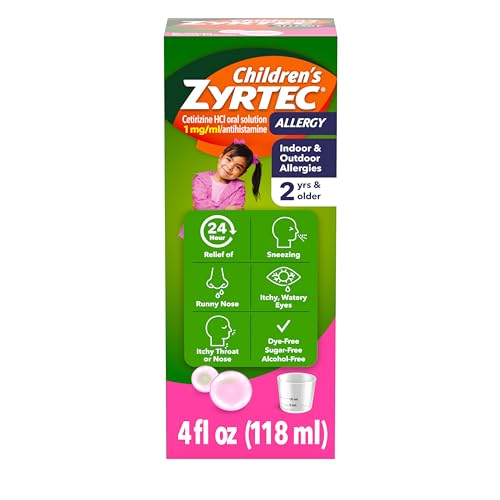
Brand: Zyrtec. This cetirizine hydrochloride formulation provides powerful, all-day relief for a range of allergy symptoms including runny nose, sneezing, itchy or watery eyes, and itchy nose or throat. Marketed as the #1 pediatrician-recommended OTC oral antihistamine for children’s allergies, it is dye-free, alcohol-free, and sugar-free. The product comes in a kid-friendly bubble gum flavor and includes a dosing cup suitable for children two years and older. Dosing guidance notes using the enclosed cup and may vary by age, ensuring safe administration for daily allergy control.
Xyzal Children’s 24 Hour Allergy Relief

Brand: Xyzal. This liquid antihistamine provides continuous relief for itchiness and watery eyes caused by indoor and outdoor allergens, including pollen, dust, and dander. The 5-fluid ounce bottle is formulated for children and features a bubble gum flavor to aid acceptance. It targets 24-hour relief, helping reduce daytime discomfort and nighttime allergy symptoms, supporting daily activities and sleep quality during allergy seasons.
Genexa Kids Allergy Care

Brand: Genexa. A drug-free, non-drowsy option designed for children 6 and older. This mult symptom relief uses homeopathic principles with a non-GMO, vegan formulation and an organic agave flavor. Tablets are easy to chew, making administration simpler for parents and caregivers, and intended to address sneezing, runny nose, itchy/watery eyes, and nasal congestion in a kid-friendly format that emphasizes clean ingredients and a gentle approach to relief.
Ohm Children’s Allergy Medicine
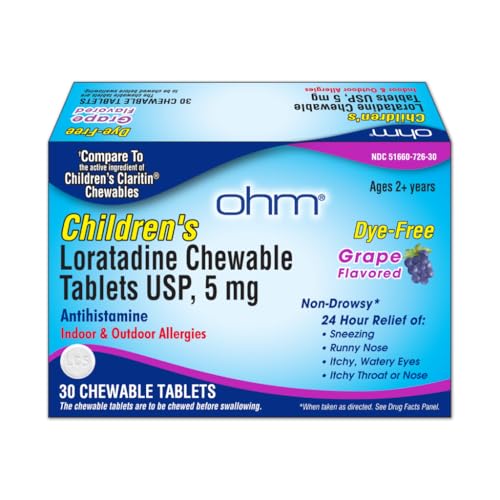
Brand: Ohm. Loratadine 5 mg chewable tablets provide 24-hour relief from hay fever and other upper respiratory allergies, including runny nose and itching. The non-drowsy formula is designed for kids aged 2 and up, allowing daytime activity and school participation without impairment. The grape-flavored tablets are fully chewable or can be crushed for easier dosing, offering flexibility for younger children who require different administration methods.
Flonase Children’s Sensimist
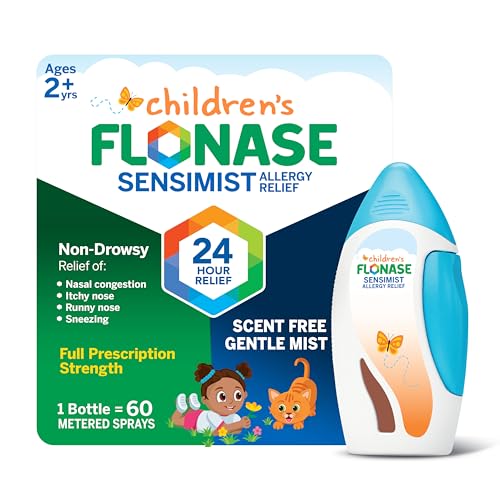
Brand: Flonase. This 60-spray bottle provides non-drowsy 24-hour nasal relief for congestion, runny nose, sneezing, and itchy nose or eyes. The Sensimist formulation is scent-free and alcohol-free, designed to feel gentle in a child’s nose while delivering effective relief. It’s particularly suitable for kids who prefer sprays over ingestible formats, and for those with nasal allergy symptoms that affect daily activities or sleep.
Buying Guide: Key Considerations For Selecting Pediatric Allergy Treatments
When choosing allergy medicines for children, caregivers should consider several factors to balance efficacy, safety, and user experience. Here are core angles to weigh:
- Age and dosing: Verify age ranges and dosing guidance for each product. Some formulas are approved for ages as young as 2, while others target older children. Use the provided dosing cup or device precisely.
- Symptom profile: Indoor triggers like dust and pet dander vs. outdoor triggers like pollen require different approaches. Some medicines offer broad relief (antihistamines), while nasal sprays target nasal congestion and itching more directly.
- Onset and duration: Consider whether you need immediate relief or steady, 24-hour coverage. Liquid forms tend to act faster in some children, whereas nasal sprays and longer-acting tablets provide ongoing relief.
- Non-drowsy options: For daytime use during school or activities, non-drowsy formulas are preferable to avoid sleepiness or impaired concentration.
- Flavor and administration: Palatable flavors and easy dosing (dissolving tablets, chewables, or syrups with dosing cups) improve adherence, especially for younger kids.
- Active ingredients and safety profile: Review active ingredients (cetirizine, levocetirizine, loratadine, diphenhydramine, etc.). Some antihistamines can cause drowsiness in certain children; others are formulated specifically to minimize this risk. Avoid multiple medications with overlapping ingredients unless directed by a pediatrician.
- Allergies and sensitivities: Dye-free, sugar-free, or fragrance-free options may be important for children with sensitivities or dietary concerns.
- Flavor preference and acceptance: A flavor kids enjoy can influence consistency in dosing and overall symptom management.
- Usage context: If nasal congestion is pronounced, a nasal spray may be the most effective option; for eye symptoms, antihistamines with oral or targeted relief work well in combination with other therapies when appropriate.
Overall, the best choice depends on the child’s age, symptom pattern, and daily routine. For persistent or severe symptoms, consult a pediatrician to tailor a secure and effective plan that may combine several modalities or consider non-pharmacologic strategies to minimize allergen exposure.