The top anti-itch creams for burns provide fast relief from itching and minor pain while supporting healing. This guide highlights five products that are well-suited for different needs—ranging from medicated lidocaine relief to cooling gels and antibiotic ointments. Choose based on your burn type, whether sunburn, minor skin irritations, or insect bites accompany the burn. The list targets buyers seeking fast-acting itch relief with clear safety notes and practical usage guidance.
| Product | Best For | Why It’s a Good Pick |
|---|---|---|
| Alocane Max Emergency Burn Gel | Sunburns and minor burns seeking fast soothing relief | Combines 4% lidocaine with aloe and antiseptic ingredients for quick numbness and comfort |
| Cortizone-10 Maximum Strength Itch Relief | Itchy rashes from burns or irritation | 1% hydrocortisone for itch relief without prescription |
| Benadryl Topical Itch Relief Gel | Outdoor minor burns and insect-related itching | 2% diphenhydramine provides fast anti-itch action and cooling sensation |
| Neosporin + Pain, Itch & Scar Ointment | Minor wounds with itch requiring infection protection | Triple antibiotic formula with pramoxine for pain and itch relief |
| Gold Bond Medicated Maximum Strength Pain & Itch Relief Cream | Itchy skin irritations on minor wounds | 4% lidocaine provides maximum strength anti-itch and pain relief |
Alocane Max Emergency Burn Gel

Best for: Sunburns and quick relief from minor burns. This gel blends 4% lidocaine hydrochloride with antiseptic properties and aloe vera to soothe and support healing. It absorbs quickly into the skin, helping to numb pain and itching while reducing microbial risk. The aloe component adds cooling relief, which is especially helpful after sun exposure or minor thermal injuries. A caution: avoid using on large areas of the body or on broken skin where infection risk is high without medical advice.
Cortizone-10 Maximum Strength Soothing Aloe Itch Relief Cream

Best for: Itchy irritation and rash relief connected to minor burns or inflammation. This product uses 1% hydrocortisone to reduce itch and inflammation without a prescription. It is useful when itching is a dominant symptom along with minor irritation. Limitation: it does not provide analgesic numbness, so it’s better for itch control than immediate pain relief.
Benadryl Topical Itch Relief Gel

Best for: Outdoor use—scrapes, insect bites, minor burns, and sunburns where itching is prominent. The gel contains 2% diphenhydramine HCl to block histamine and relieve itching, often providing a cooling sensation. Consideration: it may cause temporary dryness or redness in sensitive individuals, and it’s not a wound antibiotic.
Neosporin + Pain, Itch & Scar Ointment
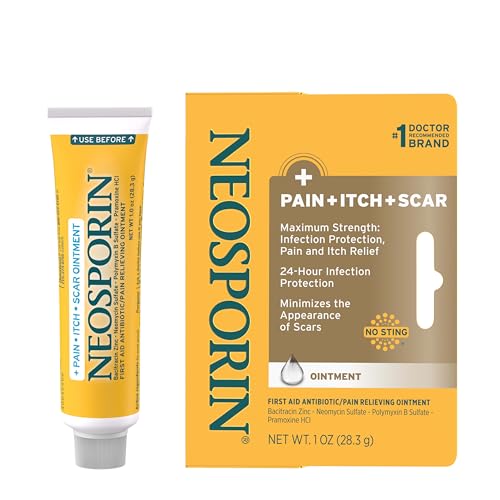
Best for: Minor cuts, scrapes, and burns that may get itchy while needing infection protection. This ointment combines bacitracin zinc, neomycin sulfate, polymyxin B sulfate with pramoxine HCl for antiseptic protection plus maximum-strength itch relief. It’s a practical all-in-one option when infection risk is a concern alongside discomfort. Limitation: some individuals may be sensitive to antibiotics; monitor for irritation or allergic reaction.
Sarna Calm And Cool Anti-Itch Lotion

Best for: Insect bites, sunburn, and rashes from poison ivy or oak. It contains 1% pramoxine hydrochloride and 0.5% menthol to relieve itch while cooling the skin. The lotion is steroid-free and vegan, making it appealing for those avoiding steroids. A caution: not a substitute for medical care in severe burns or serious skin reactions.
Buying Guide
- Active ingredient and its purpose: Lidocaine 4% provides numbness for pain and itch; hydrocortisone 1% helps with inflammation and itch; pramoxine 1% and menthol offer temporary cooling and itch relief. Pick based on whether numbness, anti-inflammatory action, or cooling is most needed.
- Open wound vs. irritated skin: For open burns or wounds, consider antibiotic ointments with itch relief to prevent infection. For intact skin, itch-focused creams or gels may be sufficient.
- Allergies and sensitivities: Check for potential allergens, especially in antibiotic or fragrance-free formulations. Some people may react to benzalkonium chloride or lidocaine.
- Application area: Some products are designed for specific areas (vaginal use, facial skin, or large body surfaces). Use as directed for the intended area.
- Onset and duration: Hydrocortisone and pramoxine offer itch relief within minutes but may need reapplication. Lidocaine provides quick numbness but should not replace wound care.
- Safety and standards: Avoid applying strongers on severely damaged skin without medical advice. For persistent or worsening symptoms, seek professional care.
FAQ
- What is the fastest way to relieve itch from a minor burn?
Topical anesthetics containing lidocaine or pramoxine can provide rapid numbness or cooling sensations, easing the itch quickly.
- Can I use anti-itch cream on sunburn?
Yes, many products address sunburn itch. Look for soothing ingredients (aloe, cooling menthol) and consider products with lidocaine for quick relief, but avoid harsh steroids on large sunburned areas unless advised.
- Should I use antibiotic ointment with itch relief?
If there is a risk of infection or a minor cut alongside a burn, an antibiotic ointment with itch relief can help protect against infection while addressing itch and pain.
- Is hydrocortisone safe for burns?
Hydrocortisone can reduce itch and inflammation for minor irritations, but it should be used with caution on broken skin. Do not apply to large open wounds without medical supervision.
- When should I seek medical help for a burn?
Seek medical advice for burns larger than a palm, charring, fever, spreading redness, or if pain and itch worsen despite over-the-counter treatments.