Yes, you can support hair health with Ayurvedic products designed to nourish from the scalp outward. This guide highlights five well-suited options for different hair goals, from internal nourishment to topical care. It’s ideal for buyers seeking natural, traditional formulas that target thickness, shine, scalp health, and hair growth. Below is a quick summary of the chosen products and who they’re best for.
| Product | Best For | Key Benefit |
|---|---|---|
| Banyan Botanicals Organic Healthy Hair Supplement | Internal nourishment for thinning hair | Supports thickness, shine, and scalp health from within |
| Shudh Online Herbal Hair Mask Powder Combo | At-home Ayurvedic hair pack routine | Combines Bhringraj, Hibiscus, Shikakai, Reetha for shine and manageability |
| Foodherbs Premium Herbal Hair Oil Mix | DIY natural oil for growth and conditioning | 18 herbs for long, strong roots and fuller strands |
| KESH KING Ayurvedic Hair Oil (3.38 Fl Oz) | Hair fall reduction and scalp nourishment | Contains multiple Ayurvedic herbs including Bhringraj and Amla |
| Kama Ayurveda Bringadi Intensive Hair Treatment | Daily scalp and strand conditioning | Herbal blend for intensive conditioning and shine |
Product Highlights
Banyan Botanicals Organic Healthy Hair Supplement
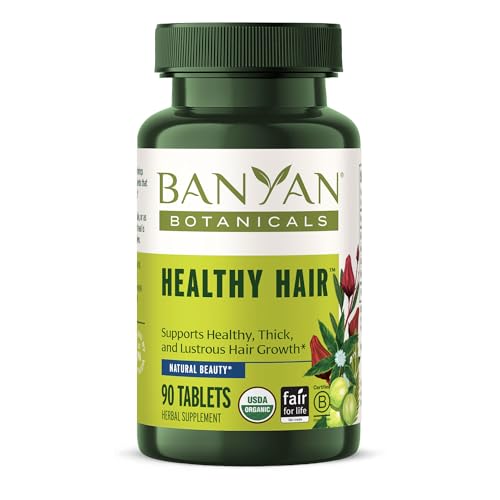
The supplement is designed to nourish the scalp and provide nutrients that support thick, lustrous hair from the inside. It emphasizes Bhringaraj, Amla, and Brahmi to promote healthy growth and maintain natural color and strength. Best for: individuals seeking internal support for hair vitality and scalp balance. Caution: as with any herbal supplement, consult a healthcare provider if you have a medical condition or are taking medications that could interact.
Shudh Online Herbal Hair Mask Powder Combo

This powder-based hair mask blends Bhringraj, Hibiscus, Shikakai, Reetha, and Amla to support hair health, growth, and shine. It doubles as a natural shampoo option in some uses, reducing reliance on chemical cleaners. Best for: people who prefer a traditional herbal mask as part of a weekly routine. Caution: outcomes depend on regular use and proper mixing with water or other liquids per instructions.
Foodherbs Premium Herbal Hair Oil Mix
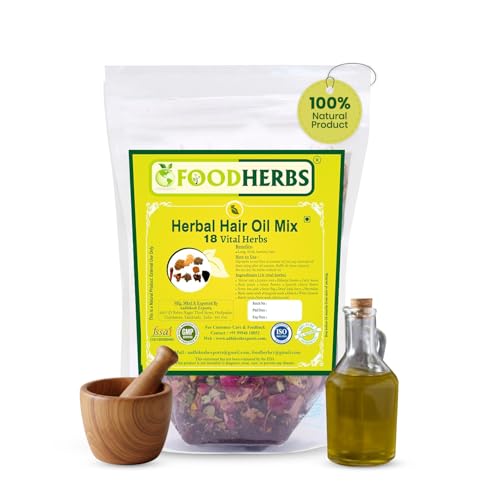
Foodherbs presents an 18-herb oil blend designed to promote long, thick hair and strengthen roots. It supports growth and overall hair health when used as part of a regular scalp massage routine. Best for: users who want a customizable DIY oil to target growth and scalp nourishment. Caution: natural oils may cause temporary scalp greasiness if overapplied.
KESH KING Ayurvedic Hair Oil
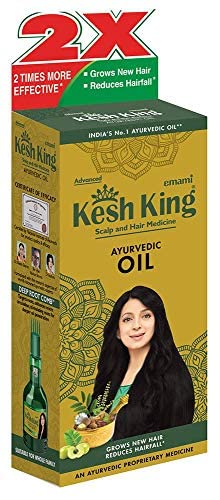
Designed to reduce hair fall and promote growth, this oil combines Bhringraj, Amla, and other Ayurvedic herbs. It’s positioned as a comprehensive scalp treatment that supports long, thick hair. Best for: those dealing with hair shedding or thinning and seeking a traditional oil with a broad herb base. Caution: consider patch testing to rule out any sensitivity to herbal extracts.
Kama Ayurveda Bringadi Intensive Hair Treatment

Bringadi Intensive Hair Treatment combines traditional herbs to condition the scalp and strands, aiming to leave hair soft, shiny, and manageable. Best for: daily or frequent conditioning to maintain scalp health and hair luster. Caution: results vary with hair type; suitability improves with consistent use over several weeks.
Buying Guide
What should you consider when choosing Ayurvedic hair care?
Identify your primary goal: internal nourishment, scalp health, or surface conditioning. If you’re dealing with thinning or scalp sensitivity, consider a product that targets root health (like Banyan Botanicals) vs. a topical oil or mask for shine and moisture (like Kama Ayurveda or Bringadi).
Oil vs. mask vs. supplement: which to pick?
- Oils are best for scalp massages, hydration, and targeted hair growth support. They work well when you have dry scalps or frizz-prone hair.
- Herbal masks provide deep conditioning and can help with buildup, shine, and manageability when used regularly.
- Supplements address internal nourishment and may support overall hair vitality from the roots, especially for those experiencing thinning or color changes.
Herbal ingredient implications
- Bhringraj and Amla are common in Ayurvedic hair care for promoting strength and growth. They are typically gentle but may cause irritation in sensitive individuals.
- Shikakai and Reetha act as natural cleansers and conditioners but can be drying if overused on very dry hair.
- Hibiscus, Brahmi, and Gotu Kola are associated with scalp health and shine in traditional formulations.
How to use for best results?
- Follow product-specific directions for dosage and application. For oils, a daily scalp massage (5–10 minutes) is common. For masks, apply evenly and rinse as directed. For supplements, follow the recommended daily tablet intake with water.
- Consistency matters: chronic use over several weeks typically yields clearer benefits than sporadic usage.
- Patch testing is prudent for new herbal products to avoid irritation.
Who should buy Ayurvedic hair care?
Anyone seeking natural, plant-based alternatives to conventional hair care may benefit. Those with scalp concerns, hair shedding, or a desire for shinier, softer hair may find specific formulas more suitable based on internal vs. external approaches.
FAQ
- Are Ayurvedic hair products safe for color-treated hair?
Generally yes, but check ingredient lists for any additives that could affect color. Start with small amounts to assess compatibility with treated hair.
- Can I use more than one product at the same time?
Yes, but stagger usage to monitor how each product affects your scalp and hair. Avoid overlapping strong oils or masks that could cause buildup.
- Will Ayurvedic oils stain pillows or clothing?
Natural oils can transfer if used in excess. Use a light application and allow proper absorption or wash hands after application.
- Do these products cause buildup on the scalp?
Some oils and masks may accumulate with heavy or frequent use. Regular washing and occasional clarifying routines help prevent buildup.
- What’s the difference between systemic and topical hair care?
Systemic (supplements) supports hair from within, while topical products address the scalp and strands directly. A combination approach often yields balanced results.