Looking for reliable ways to monitor a baby’s heartbeat at home? This guide highlights practical baby heartbeat monitors that suit different needs—from non-invasive fetoscopes for later pregnancy to wearable monitors for ongoing tracking. It’s ideal for expectant parents who want extra reassurance, caregivers seeking early warning signs, and users who prefer non-invasive options. The selections below focus on devices with clear heart-rate detection, ease of use, and practical limitations to consider before purchase.
| Product | ||
|---|---|---|
| Dixie EMS Fetal Stethoscope | Fetoscope | Later pregnancy monitoring at home or for quick checks |
| Skywin Fetal Heartbeat Monitor | Fetoscope | Early-to-mid pregnancy attempts and patient home use |
| Skywin Fetoscope White | Fetoscope | At-home listening with straightforward steps |
| Sense-U Smart Sock Shoe 2 | Wearable monitor | Real-time heart rate and sleep data for infants 1–12 months |
| Owlet Dream Sock | Wearable monitor | Real-time heart rate and oxygen with app alerts |
Dixie EMS Fetal Stethoscope For Baby’s Heartbeat
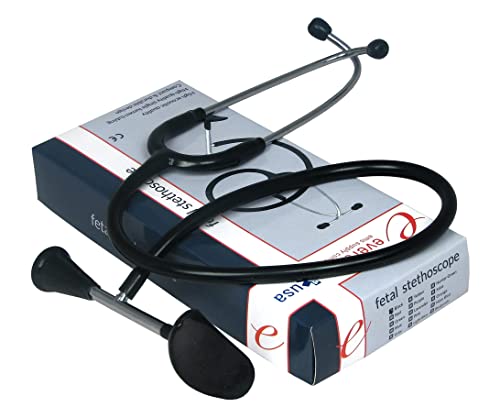
The Dixie EMS fetal stethoscope uses a Pinard horn-style bell and soft earbuds to listen for fetal heart tones. It is designed for non-invasive, home monitoring after about 20 weeks’ gestation. Best for expectant parents who prefer a simple, traditional tool and value direct auscultation over electronic readouts.
Who it’s best for: parents seeking a low-tech, reliable listening method to confirm heartbeat during the later stages of pregnancy. Why selected: its traditional fetoscope design is straightforward and focused on direct heart-tone detection.
Caution: effectiveness depends on positioning and baby movement; hearing the heartbeat can vary by week of gestation and user experience.
Skywin Fetal Heartbeat Monitor Blue

This Skywin fetoscope is a non-invasive device intended to help detect fetal heart tones. It emphasizes patient use with guidance on technique, noting that detection is more reliable around the 30–36 week window and may require practice to locate the heartbeat. Best for users who want a structured, home-use method with explicit usage steps.
Who it’s best for: expectant parents comfortable with self-guided listening and willing to practice. Why selected: includes practical use instructions and notes about timing for optimal listening.
Caution: may be harder to hear fetal tones earlier in pregnancy; success improves later in gestation.
Skywin-Fetal Heartbeat Monitor White

Another Skywin model designed for home fetal monitoring, emphasizing ease of use and anatomical positioning guidance. It includes step-by-step listening instructions and notes about typical heartbeat ranges. Best for those who want a clear listening process and reassurance of normal fetal beats.
Who it’s best for: parents who want a calm, instructional approach and consistent technique. Why selected: complements the blue Skywin model with standardized guidance.
Caution: user success depends on gestational age and technique; results can vary by room acoustics and baby movement.
Sense-U Smart Sock Shoe 2

The Sense-U Smart Sock Shoe 2 uses transmissive PPG sensing to monitor a baby’s heart rate and sleep patterns. It provides on-device indicators and optional app notifications for more detailed insights. Best for parents who want continuous wear-and-go monitoring with alerts and sleep data.
Who it’s best for: caregivers seeking real-time heart-rate tracking with standalone indicators or enhanced app analytics. Why selected: combines wearable technology with proactive alerts for peace of mind.
Caution: requires correct sizing and secure fit to ensure accurate readings; may not replace a medical device for high-risk situations.
Owlet Dream Sock Smart Wearable Monitor
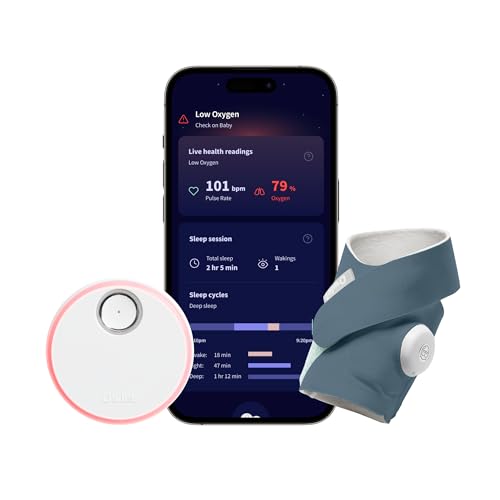
The Owlet Dream Sock tracks heart rate and oxygen levels in real-time and sends alerts when readings leave preset zones. It is designed for healthy infants up to 18 months and integrates with a mobile app to provide sleep insights and alerts. Best for parents seeking proactive monitoring and a robust alert system.
Who it’s best for: families prioritizing continuous monitoring with early warnings and sleep analytics. Why selected: widely used, app-connected option that emphasizes real-time safety signals.
Caution: designed for healthy infants; consult a pediatrician for medical concerns or high-risk pregnancies as needed.
Buying Guide: Key Purchase Considerations
Home fetal monitoring versus infant wearables requires weighing ease of use, accuracy, and the kind of data you want. If you prefer direct listening, fetoscopes like the traditional stethoscope models provide simplicity and a hands-on experience. Wearable monitors offer continuous data streams, alerts, and sleep patterns, which can be valuable for ongoing reassurance but may involve app setup and fitting considerations.
- Gestational stage and use case: Fetoscopes are typically more effective later in pregnancy; wearables work well for infants and young babies after birth.
- Ease of use: Consider your comfort with timing, positioning, and listening technique versus managing app-based alerts and battery life.
- Data type: Do you want audible heart tones, or continuous heart-rate and oxygen data with trends over time?
- Comfort and fit: For wearables, ensure proper sizing and secure fittings to avoid inaccurate readings.
- Limitations and context: Home devices are not medical diagnostics; use them as reassurance tools and consult healthcare providers for concerns.
Frequently Asked Questions
- What is the best option for listening to a baby’s heartbeat at home?
– Depends on preference: fetoscopes provide direct listening, while wearables offer continuous data and alerts. - Are wearable monitors safe for newborns and infants?
– Most are designed for healthy infants; follow manufacturer instructions for usage and consult a pediatrician for medical concerns. - Can I rely on home monitors for medical decisions?
– No. They are reassurance tools and should not replace professional medical advice or diagnostics. - When should I use a fetoscope versus a wearable monitor?
– Fetoscopes are often used during pregnancy in the later weeks; wearables are useful after birth or for ongoing infant monitoring. - Do these devices require apps or subscriptions?
– Some do, especially wearables, which may offer app-based insights and alerts. - What should I do if I can’t hear a heartbeat with a fetoscope?
– Heartbeat audibility varies by gestational age and baby movement; try again later and consult a professional if concerned.