Finding the right bariatric blood pressure cuff depends on arm size, monitor compatibility, and user comfort. This guide highlights five cuffs designed for larger arms, with clear reasons to choose each based on common needs such as ease of use, accuracy, and portability. The top selections are suitable for adults with larger arm circumferences and for caregivers managing hypertension at home.
Buyer types: heavy-use in clinics or home care for bariatric patients; seniors needing simple operation; caretakers seeking durable sleeves and easy calibration. The table below compares key attributes to help you decide quickly.
| Product | Arm Range | Best For |
|---|---|---|
| Alcarefam XXXL Blood Pressure Cuff | 9”–26” (22–66 cm) | Replacement cuff for Omron or similar monitors; easy calibration |
| HCS Extra Large Blood Pressure Cuff (Manual) | 34.3 cm – 50.8 cm (13.5”–20”) | Home use with a non-latex, comfortable design |
| 3XL Blood Pressure Cuff (8 Connectors) | 8.7”–26” (22–66 cm) | Wide monitor compatibility, multiple connectors |
| LIVAROCI Extra Large Monitor Cuff | 9”–21” (varies by model) | Combo monitor with large LED screen for easy reading |
| LotFancy XXL Blood Pressure Cuff (Thigh Cuff) | 16”–26” | Zero calibration and portability for home and travel |
Alcarefam XXXL Blood Pressure Cuff, 9”-26”

The Alcarefam XXXL cuff is designed for large arms and compatibility with many monitor brands via seven connectors. It uses nylon cuff fabric and a TPU airbag, with a soft Velcro strap to minimize hair pulling. Best for caregivers seeking a straightforward, adjustable sleeve for adult arms up to 26 inches in circumference. The cuff’s adjustable calibration supports precise readings when changing devices.
Who it’s best for: users needing a replacement cuff that fits very large arms and requires easy alignment with multiple monitors. Why selected: broad arm range and compatibility reduce the need for multiple cuffs. Caution: ensure your monitor accepts the seven-connector design to avoid misfit.
HCS Extra Large Blood Pressure Cuff (Manual)

This manual cuff suits large adults (34.3–50.8 cm) and emphasizes comfort with a non-latex material and Velcro closure. It includes a clip-to-cuff feature for easy on/off and self-measuring, plus an aneroid gauge calibrated for practical accuracy. Best for home use when a simple, reliable manual option is preferred.
Who it’s best for: seniors or patients who favor manual readings and don’t want electronic prompts. Why selected: straightforward operation and a reliable calibration baseline. Caution: not a digital monitor; stethoscope not included, so you’ll need a separate device for auscultation if desired.
3XL Blood Pressure Cuff, 8 Connectors

This 3XL cuff provides a wide fit range from 8.7” to 26” and includes eight connectors for broad monitor compatibility. It’s nylon-based with a TPU airbag and a hair-friendly Velcro closure. Best for households with multiple monitors or for caregivers who want one cuff that fits various devices.
Who it’s best for: users who need flexible compatibility across brands. Why selected: high connector count improves fit across models. Caution: check your monitor’s connector type before purchase to ensure full compatibility.
LIVAROCI Blood Pressure Monitor With Extra Large Cuff
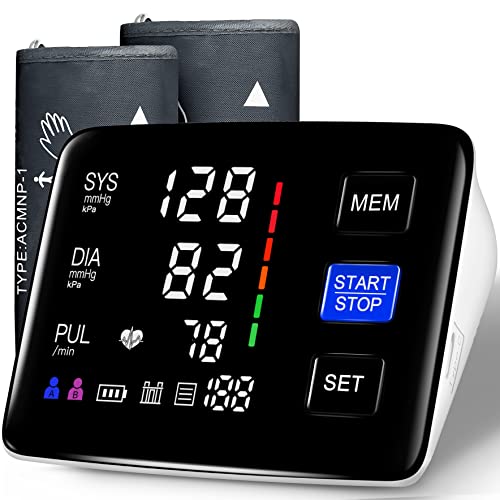
This bundle includes a large cuff (9”–17”) and an extra-large cuff (13”–21”). The monitor features an extra-large LED backlit screen for easy reading and a digital readout with USB power options. Best for families needing quick, readable results, especially for seniors or visually challenged users.
Who it’s best for: users who want a ready-to-use digital monitor for large-arm readings. Why selected: combines two cuff sizes with a user-friendly display. Caution: exact arm range varies by model; verify cuff dimensions before ordering a specific unit.
LotFancy XXL Blood Pressure Cuff (Thigh Cuff)
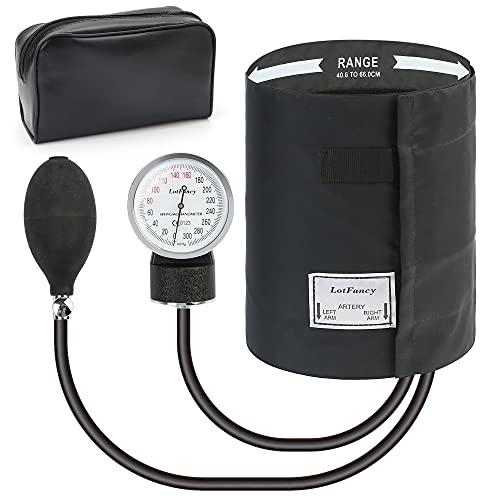
The LotFancy XXL cuff is a dedicated thigh-style design, suitable for larger adult arms (16”–26”). It emphasizes zero calibration tools for consistent measurements and comes with a carrying case. Best for home healthcare providers needing a robust, portable option for bariatric patients.
Who it’s best for: busy households and students seeking a durable, travel-friendly cuff with simple setup. Why selected: includes zero calibration and a protective case. Caution: thigh-style design may feel bulkier for some users when worn on arm in non-domestic setups.
Buying Guide: Key Considerations For Bariatric Cuffs
How do you choose between cuff sizes, connectors, and monitor compatibility? Start by confirming arm circumference, monitor brand compatibility, and intended use (home care vs. clinical setting). For home use, prioritize ease of calibration, non-latex materials, and clear readings.
- Arm circumference: Select cuffs rated for the largest expected measurement. Larger sizes reduce the risk of inaccurate readings caused by under-tightening or over-tightening.
- Monitor compatibility: Check connector options. Some cuffs offer multi-connector designs to fit a wider range of devices.
- Material and comfort: Look for soft fabrics, non-toxic airbags, and hair-friendly Velcro to improve comfort during longer measurements.
- Readability: Cuffs paired with monitors that have LED backlit displays help users read results in low light or at night.
- Calibration and accuracy: Some cuffs include zero calibration tools or have documented accuracy ranges; apply as needed for consistent results.
- Portability: If travel is common, consider cuffs with carrying cases or lighter construction that still support reliable readings.
Frequently Asked Questions
- What arm size is considered bariatric for BP cuffs? – Bariatric cuffs typically support arm circumferences from roughly 13 inches up to 26 inches or more, but always verify the exact range on the cuff label.
- Are manual cuffs suitable for bariatric users? – Yes, manual cuffs can be effective, especially when paired with a reliable sphygmomanometer, though they require auscultation skills or an automatic analyzer as an alternative.
- Can I use a replacement cuff with my existing monitor? – Many cuffs offer multiple connectors to fit common brands, but confirm compatibility with your specific device model before purchasing.
- Is a larger cuff always better for accuracy? – A properly fitted cuff—neither too tight nor too loose—improves accuracy. Too small a cuff can overestimate, while too large a cuff can underestimate readings.
- What features help elderly users? – Large, high-contrast displays, simple operation, and non-latex materials reduce irritation and improve readability.
- Do any cuffs include a carrying case? – Several models offer carrying cases as part of the package, which aids organization and transport for home care.