Bedwetting alarms help children wake when moisture is detected, speeding night-time potty training and reducing accidents. This guide highlights top wireless options designed for kids and pre-teens, with clear reasons who each product is best for. Use this as a quick reference to choose a system that fits your family’s nightly routine and your child’s sleep depth.
The following table summarizes five strong choices. It compares who they’re best for, notable strengths, and a quick suitability note.
| Product | Best For | Why It Stands Out |
|---|---|---|
| Ovevve 2026 Wireless Bedwetting Alarm (White) | Younger children who benefit from multiple modes | Next-gen wireless, 7 melodies, 3 modes, compact transmitter |
| The Bedwetting Alarm System by TheraPee | Families seeking online program support | No-wear sensor with interactive online program |
| DRYEASY Bedwetting Alarm | Users who want customizable sounds and control | 6 selectable sounds, vibration, volume control |
| Wet-Stop 3 Blue Bedwetting Alarm | Parents seeking a proven enuresis option | Varied alarms with strong vibration; compact and easy to use |
| Dri Sleeper Eclipse Wireless Alarm | Kids and older children needing a lightweight option | Thin wireless sensor with comfortable design |
Ovevve 2026 Wireless Bedwetting Alarm (White)

Best for: Younger children who respond to multiple alert options. The next-gen wireless transmitter eliminates cables, and the system includes seven melodies and three modes to keep wakeups effective over time. The moisture sensor is highly sensitive, and real-time alerts help reinforce timely toilet training. The receiver can stay on a bedside table, avoiding wear on the arm.
Caution: The system relies on proper placement of the moisture sensor for accuracy; ensure secure placement during sleep changes to maintain responsiveness.
TheraPee Bedwetting Alarm System
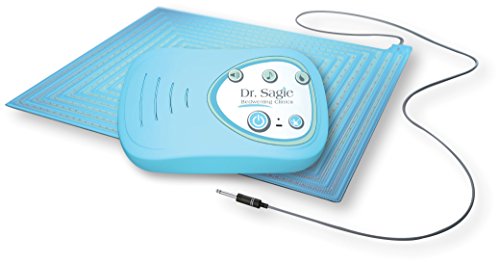
Best for: Families seeking integrated online training support and interactive progress tools. The Stopee system offers an advanced safety bed-pad and alarm, plus an engaging software program to guide behavior changes. It provides unlimited software access for one patient, making it a strong choice for consistent follow-through.
Caution: The system emphasizes software engagement; ensure family commitment to the online program for best results.
DRYEASY Bedwetting Alarm
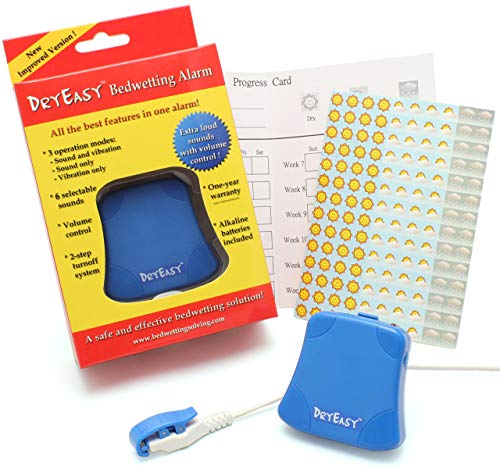
Best for: Sleepers who want customizable sound and clear volume control. This alarm offers six selectable sounds and a four-level digital volume control up to 85 dB, plus a reliable sensor that detects the first drop of urine for immediate alert. It is a practical, straightforward option for varied sleep depths.
Caution: Some users may prefer more than one alert method; if vibration is essential, verify the model’s specific alert combination with your child’s needs.
Wet-Stop 3 Blue Bedwetting Alarm
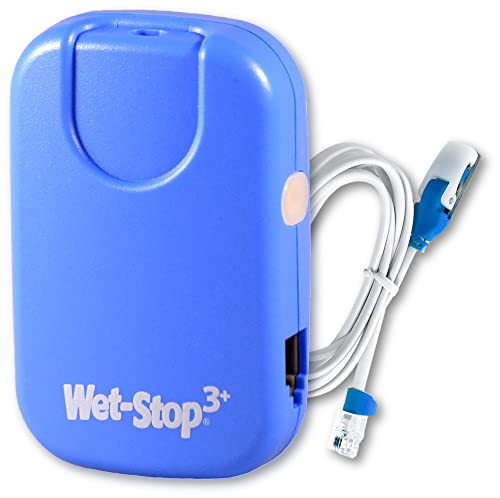
Best for: Those seeking a proven, compact alarm with strong vibration. The Wet-Stop 3 uses a patented sensor that is easy to clean and effective when placed correctly. It includes six alarm tones and a vibration option to adapt to different sleep depths.
Caution: Keep the sensor clean to maintain reliability; a dirty sensor can reduce alarm effectiveness.
Zexyvor Wireless Bedwetting Alarm

Best for: Families needing a USB-C rechargeable option with multiple alerting modes. Features include a triple alert system with a flashing light, loud sound, and vibration. It is designed for easy use and night-time potty training, with readiness out of the box and multi-child compatibility.
Caution: Check compatibility with multiple transmitters if training more than one child simultaneously, as some setups require pairing considerations.
Buying Guide: Key Considerations For Choosing A Bedwetting Alarm
- Alert Style: Do you prefer sound, vibration, or a combination? Some children respond better to different alerts depending on sleep depth.
- Sensor Design: Look for a small, comfortable, skin-friendly sensor placed in underwear or a diaper. Wireless options reduce clutter and maximize comfort.
- Ease Of Use: Consider out-of-the-box setup, how quickly you can start training, and whether there are multi-child capabilities or the need for additional transmitters.
- Power And Durability: Check battery type (AAA, USB-C rechargeable) and whether the unit is waterproof or easy to clean.
- Progress Tracking: If your family benefits from logs, some models offer built-in progress tracking or online programs to motivate consistency.
- Safety And Comfort: Ensure the sensor is non-irritating, and that the transmitter placement minimizes skin contact while staying secure during sleep.
- Side By Side Comparison: For households with more than one child, compare multi-transmitter compatibility and price per additional unit.
Choosing The Right Alarm: Quick Decision Guide
- Want minimal setup and quick start? Choose a plug-and-play system with an easy receiver and a ready-to-use sensor like the Ovevve White or Dri Sleeper Eclipse.
- Need guided training? Look at TheraPee for its online program and interactive support.
- Prefer heavy customization in alerts? DRYEASY offers six sounds plus adjustable volume and vibration.
- Training multiple children? Favor models with multi-transmitter compatibility and progress tracking features such as Zexyvor or multi-transmitter capable options.
FAQ
- What is the primary purpose of a bedwetting alarm?
To wake a child at the moment moisture is detected, reinforcing the habit of waking to use the bathroom and eventually reducing bedwetting incidents.
- Which alarm is best for younger children?
Alarms with gentle sounds or vibration options, and a comfortable wireless sensor, such as the Ovevve White model, are well-suited for younger users.
- Can alarms work for older children too?
Yes. Alarms with strong vibrations and multiple alert modes, like Wet-Stop 3 Blue or the Zexyvor option, are useful for older kids who sleep deeply.
- Do I need professional guidance to use these alarms?
Guidance can help maximize success, especially for families trying to implement a consistent night-time routine and tracking progress.
- Are wireless bedwetting alarms waterproof?
Most transmitters are designed to be water-resistant or waterproof, but always verify product specifications for sensor placement and care.
- What should I consider for multi-child households?
Look for devices that support multiple transmitters, easy pairing, and built-in progress tracking to simplify training for several children.