Whether you’re assisting a loved one at home or supporting patients in a care setting, a reliable gait belt is essential for safe transfers. This guide highlights five gait belts designed to aid lifting, standing, and maneuvering elderly or mobility-impaired individuals. Each option prioritizes comfort, adjustable sizing, and secure buckles to reduce caregiver strain and prevent falls. The best choice depends on the user’s size, the caregiver’s lifting needs, and the number of handles for grip from different angles. Read on to compare practical features and find the right fit for your situation.
| Product | Best For | Key Benefit |
|---|---|---|
| Vive Gait Belt | Medium to heavy users, multi-angle support | 7 padded handles and up to 350 lbs |
| COW&COW Transfer Belt | Longer transfers and taller individuals | Adjustable up to 60” with strong buckle |
| MKEFMEI Gait Belt | Comfort-focused transfers | 3 padded handles with durable fabric |
| Leetye Mei 7-Handle Gait Belt | All-around grip and flexibility | Seven ergonomic handles |
| Aliseniors Transfer Belt | Universal fit with quick release | 350 lbs capacity and breathable materials |
Vive Gait Belt (350lbs) Transfer Belt

The Vive gait belt supports up to 350 lbs and offers seven padded handles for multi-angle support. This design helps caregivers guide transfers with reduced risk of injury and improved fall prevention. The belt is adjustable to fit waists up to 51 inches, featuring a durable metal buckle and quick-release latch for easy removal. Best for caregivers needing versatile grip points and a sturdy, reusable belt for daily transfers.
Best for: Caregivers handling heavier patients or needing grip from multiple directions. Limitation: The belt length cap may not fit exceptionally large waists beyond 51 inches.
COW&COW Transfer Belt With Metal Buckle
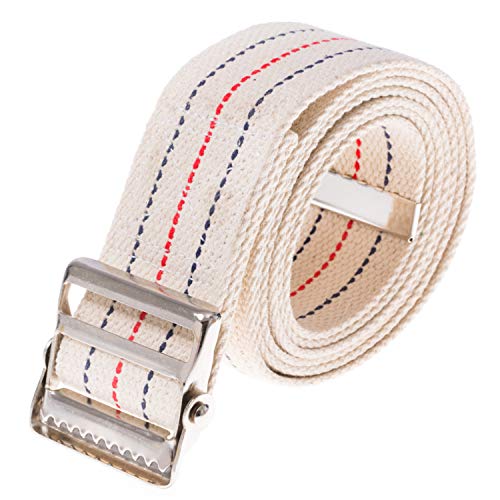
The COW&COW transfer belt features a nickel-chrome plated steel buckle and adjustable length up to 60 inches with a 2-inch width. This belt is sturdy for longer transfers and is available in multiple sizes, offering durable cotton webbing for comfortable wear during caregiving tasks. Best for: Longer rolling or distance transfers and caregivers who prefer a robust buckle system. Caution: Ensure correct sizing to avoid over-tightening during use.
MKEFMEI Gait Belt With Handles
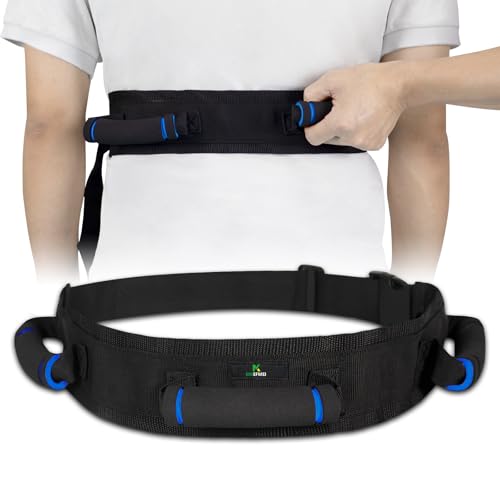
The MKEFMEI gait belt features 3 padded handles and is made from a durable blend of nylon and polyester with reinforced stitching. It’s designed for easier movement and transfers with a comfortable grip, and is machine-washable for simple cleaning. Best for: Caregivers seeking a comfortable, easy-to-clean option. Limitation: Fewer handle positions than belts with seven handles.
Leetye Mei Transfer Belt With Five Handles
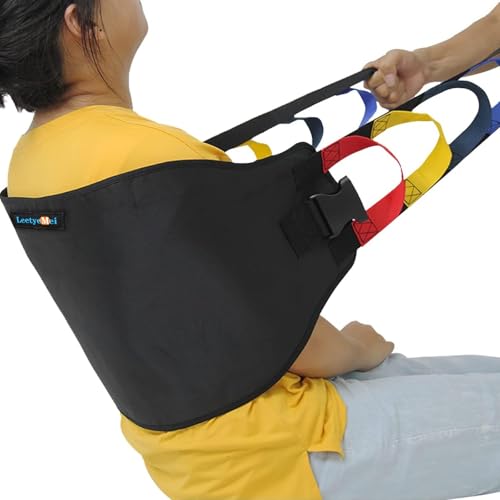
This belt uses five adjustable handles at each end to provide multiple grip angles. It is made with durable nylon mesh and a comfortable back pad to reduce skin irritation during transfers. Best for: Caregivers who want versatile hand placements without a very wide belt. Limitation: Fewer handles than seven-hand models, which may slightly limit grip options for complex moves.
Jacobable Gait Belt With 7 Nylon Handles

The Jacobable gait belt uses seven handles for all-around grip and includes a quick-release buckle. It is designed for safe transfers with a 300-pound capacity on a belt built from leather and breathable nylon, ensuring both durability and comfort. Best for: Those who value multiple grip points and a secure buckle for frequent transitions. Limitation: Slightly lower weight limit than some 350 lbs belts.
Aliseniors Transfer And Gait Belt

The Aliseniors belt offers a 61.8-inch length with a universal fit for waists 32–52 inches and a 2-inch width. It uses a durable, rust-resistant metal buckle and reinforced stitching, designed for repeated use in daily activities. Best for: Caregivers needing a robust, rust-resistant belt with easy sizing. Caution: If larger waists are common, verify maximum fit before purchase.
Buying Guide: How To Choose A Gait Belt
- Weight Capacity: Consider the body weight of the person being assisted. Belts rated for 350 lbs or higher provide headroom for larger individuals or vigorous transfers.
- Number Of Handles: More handles offer grip options from varying angles. Seven-handle designs provide the most flexibility for different transfer scenarios.
- Material And Comfort: Look for padded handles and breathable, skin-friendly materials. Soft grips reduce hand fatigue during long transfers.
- Buckle Type And Security: A quick-release buckle helps with emergency removal and daily put-on ease. A locking buckle reduces the chance of accidental loosening.
- Adjustability: Ensure the belt fits a wide range of waist sizes. Adjustable belts up to 60 inches or more are beneficial for shared caregiving.
- Cleaning And Durability: Machine-washable fabrics and reinforced stitching extend the belt’s usable life in busy caregiving environments.
- Use Case: For home care, prioritize comfort and ease of use. For clinical settings, prioritize durability, a secure buckle, and easy adjustability.
Frequently Asked Questions
- What grip helps during transfers? Multiple handles allow caregivers to choose the most stable angle, reducing strain and the risk of slips.
- Can these belts support heavy patients? Yes, many belts are rated for 350 lbs or more, but always verify the belt’s weight rating and ensure proper technique.
- How should a gait belt be worn? The belt should sit at the patient’s waist with control over the sides, and the buckle should be centered and secured before lifting.
- Are gait belts easy to clean? Most are made from machine-washable fabrics or nylon; follow product care instructions for best results.
- When should I choose a longer belt? Longer belts accommodate larger waists and longer transfers, reducing the need to reposition the belt during movement.
- Is a leather belt better than nylon? Leather belts offer rigidity and durability in some models, while nylon blends may provide more stretch and comfort; choose based on preferred grip and usage.