Looking for fast-acting benzoyl peroxide acne creams that fit your routine and skin type? This guide highlights five top OTC options. Each product is suitable for acne-prone skin, with strengths around 10% benzoyl peroxide for rapid spot treatment or daily use. The list targets different buyer needs—strongest spot treatment, oil-free formulas, or gentle daily care. Choose the best for your skin tone, oil levels, and sensitivity. The quick comparison table below helps you decide at a glance.
| Product | Best For | Key Benefit | Notes |
|---|---|---|---|
| Amazon Basics 10% Benzoyl Peroxide Acne Treatment Gel | Immediate spot clearing | Maximum-strength, fast action | Dermatologist tested; fragrance-free option not specified |
| Neutrogena Rapid Clear Stubborn Acne Spot Treatment | Stubborn pimples | Visible redness and size reduction in hours | Precision spot treatment for on-the-go use |
| Perrigo 10% Benzoyl Peroxide Gel | Deep pore penetration | Works to prevent new breakouts | Simple, active-ingredient focus |
| Clean & Clear Persa-Gel 10 | Oil-prone skin, daily use | Oil-free, fragrance-free formula | Micronized benzoyl peroxide for rapid action |
| AcneFree Terminator 10 Acne Spot Treatment | Severe or persistent spots | Maximum-strength benzoyl peroxide with soothing components | Oil-free and fragrance-free; dermatologist-developed |
Note: Depending on skin sensitivity, start with once-daily applications and monitor for dryness or irritation. If you experience redness or excessive peeling, reduce frequency or switch to a lower concentration product.
Amazon Basics 10% Benzoyl Peroxide Gel
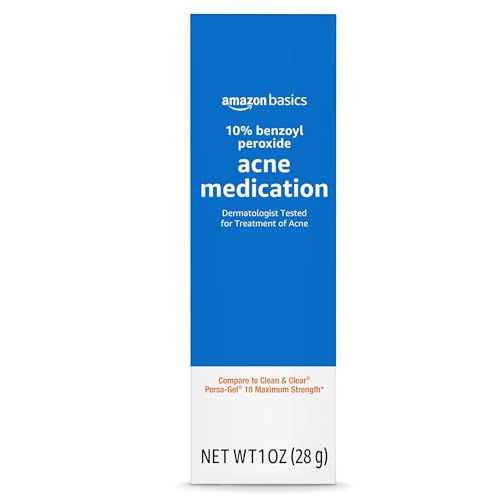
Best For: Quick, strong spot clearing for experienced users who want a straightforward 10% benzoyl peroxide gel. This gel is designed to treat acne effectively with a maximum-strength formula. Use on acne-prone areas as part of a broader skincare routine. Caution: May cause dryness or irritation if overused; start with a small area once daily.
Neutrogena Rapid Clear Stubborn Acne Spot Treatment

Best For: Targeting stubborn pimples with high efficacy in a fast-acting formula. Aimed at acne-prone skin, it’s well-suited for morning and evening routines. Caution: As a high-strength gel, it can be drying if used excessively; limit use to affected areas as directed.
Perrigo 10% Benzoyl Peroxide Gel

Best For: Consumers seeking a focused, deep-penetrating option to prevent new breakouts. The 10% gel is straightforward and simple, with a focus on pore penetration. Caution: May not be suitable for sensitive skin; test on a small area first.
Clean & Clear Persa-Gel 10 Oil-Free Acne Spot Treatment

Best For: Oil-prone or combination skin seeking an oil-free, fragrance-free benzoyl peroxide option. Quick-acting and fragrance-free formulation helps reduce blemish size and redness. Caution: May cause dryness; pair with non-irritating moisturizer as needed.
AcneFree Terminator 10 Acne Spot Treatment

Best For: Severe or persistent acne spots needing maximum strength. The product is oil-free and fragrance-free, with additional soothing ingredients highlighted in its description. Caution: Those with sensitive skin should perform a patch test before broader use.
Buying Guide: Benzoyl Peroxide Acne Creams
What concentration do I need?
Concentrations around 10% are common for spot treatments and strong OTC products. If you have sensitive or dry skin, consider starting with a lower concentration or oil-free formulations to reduce irritation. For persistent or severe pimples, a 10% gel used as directed can be effective.
Should I use benzoyl peroxide daily or only on breakouts?
Many users apply benzoyl peroxide products once daily or only on active blemishes, depending on product instructions. Daily use can help prevent new breakouts for some skin types, while others may experience dryness. Start with small applications and adjust gradually.
Oil-free vs. gel versus cream formats
Oil-free formulas are often preferred for oily or acne-prone skin to reduce shine and pore congestion. Gel or cream formats can differ in absorption and drying effects. Choose based on skin type and comfort with dryness or residue.
How to layer with moisturizers or sunscreen
Apply benzoyl peroxide after cleansing. If your skin is dry, apply a lightweight, non-comedogenic moisturizer after it dries. Use sunscreen during the day, as benzoyl peroxide can increase sun sensitivity in some individuals.
Best practices for spot treatment vs. whole-face care
Spot treatments target individual pimples, while higher-strength gels can be used on affected areas. For overall control, combine with a gentle cleanser and non-irritating moisturizer. Avoid layering with products that cause fragrance or harsh active ingredients.
Who should avoid benzoyl peroxide?
Those with sensitive or easily irritated skin, those who have a history of chemical sensitivities, or individuals using certain prescription topicals should consult a dermatologist before starting benzoyl peroxide. Patch testing is recommended with any new product.
FAQ
-
Is benzoyl peroxide safe for daily use?
Yes, many people use it daily or on active areas. Start slowly to assess tolerance, then adjust frequency as needed.
-
Can benzoyl peroxide bleach fabrics?
Yes, it can cause discoloration on fabrics and towels. Allow product to fully dry before contact with textiles.
-
Will benzoyl peroxide dry out my skin?
It can. Use a non-irritating moisturizer if dryness occurs, and consider lower concentrations or oil-free formulas.
-
Should I avoid using benzoyl peroxide with other acne actives?
Some combinations can irritate the skin. If using other actives, introduce benzoyl peroxide gradually and monitor skin response.
-
What is the best option for stubborn acne?
Products designed to rapidly target stubborn pimples, such as high-strength benzoyl peroxide spot treatments, are often best. For persistent cases, consult a dermatologist.
-
Do these products require a prescription?
No. All listed items are over-the-counter benzoyl peroxide products intended for general-use acne care.