When shopping for tick and chigger protection, look for sprays that combine effective repellents with skin-safe formulas. This guide highlights five proven options and why they fit different outdoor needs. It helps hikers, campers, and backyard enthusiasts choose the right mix of skin protection and clothing treatment to reduce bite risk while staying within budget.
Buyer types covered: avid hikers who need long-lasting skin protection; families seeking fragrance-free or gentle formulas; campers who want clothing treatments that reduce exposure; and travelers needing reliable, broad-spectrum coverage. The following table summarizes featured products to help quick comparisons before you read deeper into each option.
| Product | Best For | Key Benefit | Notes |
|---|---|---|---|
| Sawyer 20% Picaridin Insect Repellent | Active hikers; families | Fragrance-free, long-lasting skin protection | Up to 12h mosquitoes/ticks; 8h other pests |
| Repel 100 DEET Insect Repellent | Extreme exposure areas | High DEET concentration for long protection | Up to 10h protection |
| OFF! Deep Woods Aerosol 25% DEET | Camping & heavy outdoor use | Long-lasting protection | Great for ticks and mosquitoes |
| Sawyer Permethrin Clothing Spray | Clothing, gear, tents | Treats fabrics for weeks | Not for skin |
| Insect Shield Permethrin Spray | All clothes and gear | Durable fabric protection | Effective up to 60 days |
Sawyer SP5762 20% Picaridin Insect Repellent
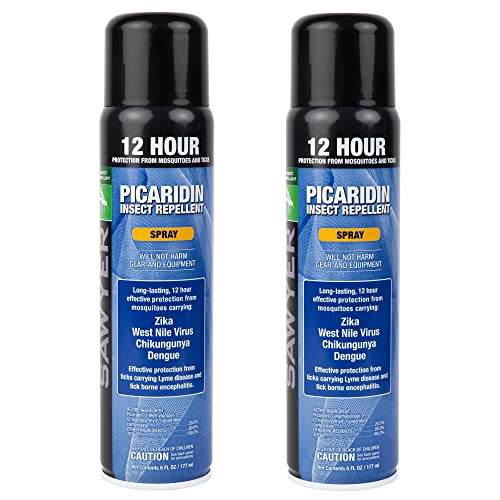
Sawyer’s 20% Picaridin formulation is designed for skin application, pairing fragrance-free efficacy with user comfort. This option is ideal for individuals who react to stronger scents or prefer a non-greasy finish. It dries quickly and is safe for most fabrics and accessories, making it versatile for hiking, travel, or family outings. The 6-ounce spray keeps application convenient for hands-free reapplication during long days outdoors.
Best for: people seeking fragrance-free, long-lasting skin protection with a non-oily feel. It excels for families and individuals who prioritize gentle skin contact and broad repellent coverage against ticks and mosquitoes. Choose this if you want a product that performs well on skin and minimizes scent exposure.
Caution/limitation: While highly effective on skin, avoid applying to damaged skin or around the eyes and mouth. Reapply per label directions after swimming or prolonged sun exposure to maintain protection levels.
Repel 100 Mosquito And Insect Repellent

Repel 100 uses a high concentration of DEET to deliver robust protection against mosquitoes, ticks, gnats, biting flies, chiggers, and fleas. It is designed for use in challenging outdoor conditions where biting insects are dense. The product emphasizes long-lasting protection, making it a practical choice for longer outdoor excursions, remote trips, or areas with high insect activity.
Best for: outdoor scenarios with heavy exposure where extended protection is essential. It’s a solid pick for travelers or campers who need reliable, durable defense against diverse biting pests. Consider this if you anticipate high insect pressure or have previously trusted DEET for long-term protection.
Caution/limitation: DEET-heavy formulas can be harsh on certain synthetic materials and may require careful application on sensitive skin. Avoid over-application and always wash off thoroughly after returning indoors.
OFF! Deep Woods Insect Repellent Aerosol

OFF! Deep Woods Aerosol provides a long-lasting barrier with a non-greasy finish and a 25% DEET formulation. It’s well-suited for outdoor activities such as camping, hiking, or running, offering protection against mosquitoes and ticks that may carry serious diseases. The spray format allows broad coverage of exposed skin, and the scent is generally less noticeable than some other DEET products.
Best for: outdoor enthusiasts who want strong, dependable protection across a range of pests, including ticks, mosquitoes, gnats, and chiggers. It’s particularly useful for group activities where quick, even application matters. Avoid this if you prefer fragrance-free or low-deet alternatives.
Caution/limitation: DEET can irritate some fabrics or finishes; keep away from delicate gear and plastics as directed by the label. Reapply as needed, following safety guidelines for skin exposure.
Sawyer SP657 Premium Permethrin Insect Repellent

This is a clothing and gear treatment rather than a skin spray. Sawer’s Permethrin formula bonds to fabric fibers for weeks, offering repellent protection against ticks and other insects when used on shirts, pants, socks, tents, and sleeping bags. It’s fragrance-free and not intended for direct skin contact, making it a durable addition to outdoor apparel and gear care.
Best for: travelers and outdoor workers who want extended fabric protection without repeated skin applications. It pairs well with a separate skin repellent for a layered defense. Consider this if you want a long-lasting barrier on clothing and gear used in tick-prone areas.
Caution/limitation: Do not apply to skin, and avoid contact with finished surfaces not designed for permethrin. Use as directed and allow proper drying before use of treated items.
Insect Shield Premium Permethrin Spray

Insect Shield offers an EPA-registered Permethrin spray designed to protect clothes, gear, furniture, and tents. The formulation aims to provide an invisible bug barrier that remains effective across multiple outings, reducing exposure to insects in diverse environments. The user receives a broad, fabric-centered layer of defense suitable for camping, hunting, or travel.
Best for: those who want durable protection across multiple fabrics and gear without frequent reapplication. It’s a strong choice for campers or outdoor workers who repeatedly encounter tick habitats. Avoid relying on it for skin protection alone; pair with a skin-safe repellent for comprehensive coverage.
Caution/limitation: Permethrin products are for fabric only; do not apply to skin. Follow the label for safe handling and drying times before contact with skin or food areas.
Buying Guide: How to Choose Tick And Chigger Bug Sprays
- Protection type: Decide between skin repellent and fabric treatment. Skin formulations protect the wearer; fabric sprays protect clothes, tents, and gear.
- Active ingredient: Picaridin tends to be fragrance-free and comfortable on skin; DEET offers strong protection in high-exposure areas but can be odoriferous and impact some materials; Permethrin is fabric-focused and can dramatically reduce tick-bearing exposure when applied to clothing.
- Duration of protection: Consider how long you’ll be outdoors. Long hikes and multi-day trips may require products with 8-12 hour skin protection or fabric treatments that last through multiple washings or days of use.
- Safety and materials: Check compatibility with skin sensitivity, plastics, and fabrics. Some products are fragrance-free, which suits sensitive users; others balance scent with long-lasting protection.
- Use cases: For woods and fields with high tick risk, a DEET product on skin plus Permethrin-treated clothing often provides layered defense. For families and kids, fragrance-free or lower-DEET options can be preferable.
- Application method: Sprays, aerosols, and roll-ons offer different coverage patterns. Aerosols provide quick broad coverage but may require reapplication after water exposure.
- Allergy and sensitivity notes: Fragrance-free formulas help minimize irritants. If skin irritation occurs, wash skin with soap and water and consult a professional if needed.
FAQ
- What’s the best overall bug spray for ticks and chiggers?
Best overall depends on your needs. For fragrance-free skin protection with long duration, a 20% Picaridin spray is a solid general option. For high exposure areas, a DEET-based product with long protection works well, while permethrin-treated clothing adds a durable second line of defense. - Are permethrin sprays safe for clothing and gear?
Yes, permethrin sprays are designed for fabrics, not skin. They provide extended protection on clothing, tents, and gear but should be used as directed on the label. - Can I combine skin repellent and fabric treatment?
Yes. For best results, apply a skin-based repellent like Picaridin or DEET on skin, and treat clothing and gear with a permethrin spray to reduce tick encounters. - Will these repellents deter chiggers?
Many of these products deter chiggers, mosquitoes, and other biting insects. DEET and Picaridin both offer broad coverage, but permethrin-treated clothing specifically reduces tick exposure. - How should I apply to ensure safety?
Apply skin repellents on exposed skin only, avoiding eyes and mouth. If using permethrin on clothing, spray and let dry completely before wearing. Always follow label directions for age recommendations and reapplication intervals. - Do these products require reapplication after swimming?
Most require reapplication after swimming or heavy sweating, per label directions. Read the product packaging for specific guidance.