Finding the right cough and cold medicine for children means balancing effective symptom relief with safety. This guide highlights five child-friendly options that address common cold symptoms like cough, congestion, runny nose, and fever. Each product is best for specific situations, such as daytime activity, nighttime sleep, or multi-symptom relief. Keep in mind dosing guidelines and age recommendations before use. The table below compares the selected products at a glance to help you choose quickly.
| Product | Best For | Notes |
|---|---|---|
| Mucinex Cold & Cough, Children’s Day/Night Liquid | Daytime congestion and nighttime relief | Two bottles; multi-symptom solution |
| Hyland’s Kids Cold And Cough Day & Night Combo Pack | Natural-style flavoring; children 2+ | Combo pack for day and night symptoms |
| Dimetapp Children’s Cold & Cough (Value Pack) | Targeted cough and cold relief | Two liquids; fast-acting formulas |
| Mucinex Children’s Multi-Symptom Cold Medicine | Comprehensive symptom control | Includes multiple active ingredients |
| Tylenol Children’s Cold + Cough + Runny Nose | Pain, fever relief with cough control | Grape flavor; acetaminophen-based |
Mucinex Cold & Cough, Children’s Day/Night Liquid

Best for: Parents seeking a straightforward, dual-nature medicine for daytime congestion and nighttime fever and cough. Features include relief of stuffy nose, chest congestion, mucus thinning, cough control, and fever reduction. Cautions: Contains active ingredients that require careful dosing per age and weight; not recommended for very young children without medical guidance. Selection rationale: The day and night format targets multiple symptoms with a single product family, simplifying dosing and administration for families with busy schedules.
Hyland’s Kids Cold And Cough Day & Night Combo Pack

Best for: Families preferring a gentle-acting, natural-sounding syrup for children 2 and up. This combo pack covers day and night symptoms, including cough, runny nose, sneezing, and sleeplessness. Selection rationale: Value-packed, age-appropriate formulas aimed at soothing symptoms while supporting sleep routines. Caution: Natural-based blends may vary in taste and texture, which can affect acceptance by picky eaters or toddlers.
Children’s Dimetapp Cold & Cough Value Pack

Best for: Quick relief from multiple cold symptoms with kid-friendly flavors. Contains both daytime and nighttime liquids designed to address cough, runny nose, nasal congestion, and sneezing. Selection rationale: Clear separation of day and night formulas helps parents tailor dosing to daily activities and sleep needs. Caution: Formulations vary by packaging; read labels carefully to ensure correct symptom targeting for each bottle.
Mucinex Children’s Multi-Symptom Cold Medicine
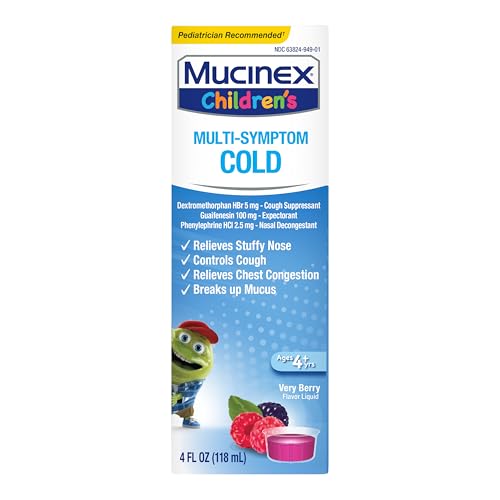
Best for: Children needing a broad-spectrum approach to cough, congestion, and nasal symptoms. Active ingredients target cough suppression, mucus clearance, and nasal decongestion. Selection rationale: Combines multiple active ingredients to address several cold symptoms in one liquid. Caution: Ensure the product is appropriate for the child’s age and does not duplicate other medications containing similar active ingredients.
Tylenol Children’s Cold + Cough + Runny Nose

Best for: Parents seeking a fever and pain-relief option with cough control for children 6-11 years old. Features include acetaminophen-based relief, minor aches, fever reduction, and cough suppressant with a kid-friendly grape flavor. Selection rationale: Combines analgesic/antipyretic action with cough suppression in a flavor many children accept. Caution: Avoid giving with other acetaminophen-containing medicines to prevent overdose; check age and dosing guidelines carefully.
Buying Guide
What should you consider when choosing a child’s cough and cold medicine?
- Age and dosing: Always verify age recommendations and dosing per weight. Some formulas are for ages 2+, others for older children only.
- Symptom coverage: Choose a product that targets the most troubling symptoms—cough, congestion, runny nose, fever, or throat soreness.
- Day vs. night formulations: Daytime products typically avoid sedating ingredients; nighttime formulas may include ingredients to aid sleep but should be distinct from daytime use.
- Allergic and ingredient considerations: Check for potential allergens and avoid mixing products with overlapping active ingredients to prevent overmedication.
- Taste and acceptance: Flavor, texture, and dosing convenience influence adherence, especially for younger kids.
- Safety and active ingredients: Look for age-appropriate, clearly labeled active ingredients such as decongestants, cough suppressants, or expectorants, and avoid combinations not suited for your child’s age.
How to use and store
- Follow dosing instructions precisely; use the dosing syringe or cup provided by the manufacturer.
- Do not mix multiple multi-symptom products unless directed by a pediatrician.
- Store out of reach of children and away from hot or humid environments to maintain effectiveness.
Common questions
- Is it safe to give cough medicine to a child under 2 years old? Most over-the-counter cough and cold medicines are not recommended for children under 2; consult a pediatrician for guidance.
- Can I give multiple medicines at once? Do not exceed recommended doses; avoid combining products with the same active ingredients unless advised by a clinician.
- What symptoms indicate you should seek medical help? High fever, persistent vomiting, wheezing, trouble breathing, or symptoms lasting more than about a week warrant professional advice.
- Are natural or homeopathic options safer? These may be gentler for some children, but efficacy varies; discuss with a pediatrician if you’re considering alternatives.
- How do I choose between daytime and nighttime products? Daytime formulas support activity and relief without sedation; nighttime options may help with sleep but should be used only when sleep disturbance is present.
- What if symptoms persist after using these products? If symptoms persist beyond 7–10 days or worsen, contact a healthcare professional for evaluation.
FAQ
- Q: Can I alternate brands for different symptoms? A: Yes, but avoid duplicating active ingredients and ensure proper dosing for each product.
- Q: Are flavored medicines safe for kids? A: Flavoring helps acceptance; ensure ingredients are age-appropriate and follow dosing guidelines.
- Q: Should I treat fever first? A: Fever management is important, but address other symptoms (cough, congestion) as needed according to age and guidelines.
- Q: How do I store medicines safely? A: Keep original containers, out of reach, and away from heat; use child-resistant caps where provided.
- Q: Can these medicines cause drowsiness? A: Some nighttime formulas may cause drowsiness; review label warnings and avoid giving to children during school hours if drowsiness could impair activity.
- Q: Do these medicines interact with other common pediatric medications? A: Always check with a pediatrician if your child takes other OTC medicines or has chronic conditions.