If you’re seeking neck decompression devices to ease cervical pain, stiffness, or tension, this guide highlights five practical options. These picks emphasize safe, at-home relief for people with neck pain, pinched nerves, or postural strain. Each entry explains who it’s best for, why it was chosen, and any notable limitations to consider. The quick summary below helps you compare at a glance.
| Product | Best For | Key Benefit |
|---|---|---|
| Spinal Decompression Machine Decompression Table for Back Pain Relief | Seniors; acute back and neck discomfort | Effortless motorized traction; safe, flat-lying design |
| iSTIM WeTrac Cervical Neck Traction Device | Home users needing adjustable neck relief | Customizable angle and intensity; drug-free relief |
| Elesik Cervical Neck Stretcher | Travelers; portable relief | Inflatable and easy to inflate; compact carry |
| Cervical Neck Traction Device for Home Use (Door/Tension) | Office or home use; quick setup | Door-mounted traction with adjustable resistance |
| Siftary Electric Traction Machine | Comprehensive spine relief at home | High-torque motor; flat-lying safe design |
Note: All listed products are intended for at-home use. Review each device’s instructions for safety and suitability before beginning traction therapy. The following sections provide concise profiles for five relevant neck decompression options.
Spinal Decompression Machine Decompression Table for Back Pain Relief
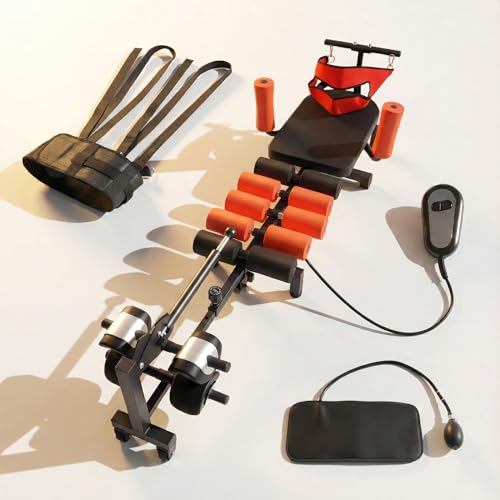
Best for seniors or users with acute back pain who need effortless traction. This motorized table uses a high-torque electric system to provide smooth spinal decompression without manual cranking. The horizontal, flat-lying design reduces eye and ankle strain compared with inversion approaches, offering a safer alternative for at-home relief. The device includes adjustable shoulder and leg supports with soft foam rollers to minimize slippage and customize comfort. A caution: setup and operation rely on the motor; users should follow instructions to avoid overextension.
iSTIM WeTrac Cervical Neck Traction Device

Best for individuals seeking adjustable cervical traction at home. The WeTrac uses knob-controlled tension up to about 50 lbs and lets users customize neck incline and angle for targeted relief. It aims to reduce headaches, neck stiffness, and shoulder soreness by decompressing the cervical spine. A potential limitation is knob sensitivity; do not adjust while the device is releasing to avoid abrupt changes in tension.
Elesik Cervical Neck Stretcher and Traction Device

Best for portable relief and travel use. The inflatable neck traction device provides gentle cervical decompression in 15–30 minutes daily. It features an ergonomic contour, adjustable straps, and a chin-friendly support to minimize skin irritation. A limitation is that inflation control requires manual operation, and effectiveness depends on proper seal and fit for each user. Ideal for light, regular use rather than heavy or persistent pain.
Cervical Neck Traction Device for Home Use (Door/Tension)

Best for those who want a door-mounted approach with adjustable tension. This device uses a ratcheting mechanism and a pulley system to incrementally increase traction on the neck. It supports a personalized fit through adjustable neck circumference and a soft, skin-friendly tether. Choose this if you prefer a simple, at-home setup; avoid if you require high-torce, heavy-duty traction beyond what a door-mounted model can safely provide.
Siftary Electric Traction Machine for Neck and Back

Best for comprehensive home spine relief with a single device. The electric traction machine uses a high-torque motor to deliver smooth, consistent decompression for both neck and lower back regions. It emphasizes a flat-lying design to avoid inversion risks and includes adjustable shoulder and leg supports with anti-slip features. A caveat is that larger assembly and setup may require more space and careful alignment to ensure comfortable use.
Buying Guide: neck decompression at home
What type of device fits your needs? Consider whether you want a motorized table, a cervical traction device, or a portable neck stretcher. Mechanism type matters: motorized, knob-controlled, or inflatable systems each offer different ease of use and force control.
What setting is most suitable for you? For seniors or those with acute pain, a flat-lying or door-mounted option can reduce risk and ease the learning curve. If you travel frequently, a portable inflatable neck traction device may be preferable.
How much space do you have? Motorized tables require more room and a stable mounting surface, while inflatable or door-mounted devices need less space and can fit into small rooms or offices.
What safety considerations apply? Look for adjustable intensity, secure head and neck support, and stopper mechanisms to prevent overextension. Ensure the device has clear instructions and uses non-slip materials to minimize movement during traction.
How will you measure progress? Track duration, frequency, and symptom changes. Start with short sessions and gradually increase as comfort allows, under guidance from a healthcare professional where appropriate.
FAQ
- What is neck decompression traction used for?
It aims to relieve pressure on cervical nerves, reduce neck pain, and improve range of motion by gently stretching the spine. - Can I use these devices at home safely?
Yes, when following manufacturer instructions and starting with low intensity or duration to avoid strain. - Which device is best for travel?
Inflatable neck traction devices are typically the most portable option for travel. - Are there risks with neck traction?
Overextension, improper fit, or excessive force can worsen symptoms; consult a clinician if pain worsens. - How often should I use neck traction?
Start with 10–15 minutes per session, 1–2 times daily, and adjust based on comfort and guidance from a professional.