Digestive enzymes for vegetarians help maximize nutrient absorption from plant-based meals, reduce occasional bloating, and support comfortable digestion. This guide targets shoppers seeking vegetarian-friendly enzyme blends, broad-spectrum activity, and optional probiotic support. The top picks below are best for steady, everyday digestion, vegetarian lifestyles, and meals rich in beans, vegetables, and whole grains. Each product section explains who it’s best for, why it was selected, and any caveats.
| Product | Brand | Best For | Notes |
|---|---|---|---|
| Digestive Enzymes Ultra with Betaine HCl | Pure Encapsulations | Vegetarians needing broad-range enzyme support plus acid stabilization | Includes betaine HCl for stomach acidity |
| Digestive Enzymes Ultra | Pure Encapsulations | Those seeking broad-spectrum vegetarian enzymes | Wide pH range activity |
| Essential Enzymes Digestive Aid | Source Naturals | Budget-friendly, all-vegetarian blend | Supports natural digestion with a simple cap |
| Enhanced Super Digestive Enzymes and Probiotics | Life Extension | Vegetarian diet plus probiotic support | Includes probiotic strand B. coagulans |
| Optimal Digestive System | NOW Foods | Full-spectrum enzymes for diverse foods | Vegan/Vegetarian, soy-free |
Pure Encapsulations Digestive Enzymes Ultra with Betaine HCl
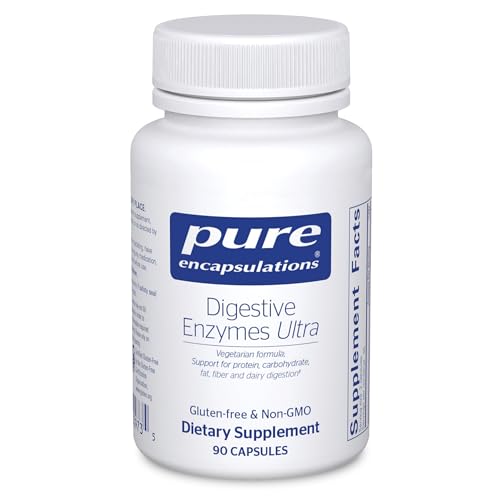
Best for vegetarians seeking a broad-spectrum enzyme blend with added stomach acidity support. This formula targets nutrient bioavailability and digestion across a wide pH range, helping break down proteins, disaccharides, dairy, and fiber. The vegetarian enzyme mix is designed to aid absorption, making it a practical daily option for plant-forward diets. Caution: Betaine HCl may affect individuals with certain acid sensitivities; consult a clinician if uncertain.
Pure Encapsulations Digestive Enzymes Ultra

This product delivers a broad-spectrum, vegetarian enzyme mix designed for optimal activity across a wide pH range. It’s well suited for vegetarians who want dependable digestion of proteins, polysaccharides, and disaccharides, including dairy and fiber digestion. Best for individuals seeking a straightforward enzyme boost without probiotics. Limitation: The exact enzyme ratios aren’t disclosed, so users seeking precise enzyme counts may prefer labeled alternatives.
Source Naturals Essential Enzymes Digestive Aid

This is a budget-friendly, all-vegetarian enzyme blend designed to support the body’s natural digestion and nutrient utilization. It’s best for vegetarians looking for a simple, everyday enzyme supplement to complement meals rich in plant-based proteins, legumes, and fiber. Caution: The product relies on a broad spectrum blend without added probiotics, so you may want to combine with a separate probiotic for gut flora support.
Life Extension Enhanced Super Digestive Enzymes and Probiotics
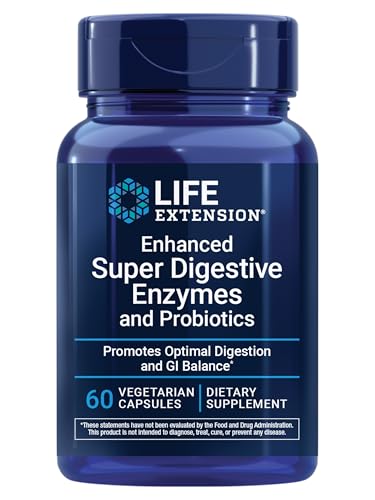
This vegetarian formula combines ten enzyme types with a probiotic strand to support digestive comfort and nutrient absorption from plant-based meals. Probiotic B. coagulans adds gut flora support, which can benefit regularity and overall digestion. Choose this if you want both enzyme and probiotic benefits in one product. Limitation: Some users may prefer separate probiotic strains or different probiotic counts depending on their needs.
NOW Foods Optimal Digestive System

NOW Foods offers full-spectrum enzymes that are suitable for most vegetarian diets, including beans and cruciferous vegetables. The capsules are vegan-friendly, soy-free, and keto-friendly, making this a flexible option for varied dietary needs. Best for shoppers who want a reliable, no-fruss enzyme blend that can pair easily with meals across different cuisines. Caution: Some users may prefer enzyme blends with added probiotics for enhanced gut health.
Buying Guide: Key Purchase Considerations
What should vegetarians look for in a digestive enzyme supplement?
- Enzyme spectrum: Choose products that cover proteins, carbohydrates, fats, and fibers to support a plant-based diet.
- Plant-based enzymes: Confirm a vegetarian-friendly formulation and avoid animal-derived enzymes.
- Probiotics vs. enzymes: Decide if you want a combined enzyme-probiotic product or separate supplements for targeted results.
- Acid support: Betaine HCl or other stomach-acid aids can help with digestion of tougher plant proteins for some users; consult with a clinician if sensitive.
- Easy dosing: Look for once-daily or with-meal dosing that fits your eating pattern.
- Allergen and GMO considerations: If you avoid dairy, soy, or gluten, check labels for cross-contamination and allergen statements.
Practical Comparison: Quick Answers For Buyers
- Best for comprehensive vegetarian enzyme coverage: Pure Encapsulations Digestive Enzymes Ultra; includes broad-spectrum enzymes and is suitable for plant-based meals.
- Better for lower-cost daily use: Source Naturals Essential Enzymes Digestive Aid; simple vegetarian blend at a budget-friendly price.
- Choose this if you want probiotics included: Life Extension Enhanced Super Digestive Enzymes and Probiotics; blends probiotics with enzymes for gut health.
- Best for bean and cruciferous vegetable digestion: NOW Foods Optimal Digestive System; full-spectrum enzymes with vegetarian formulation.
- Avoid this if you dislike betaine HCl: Pure Encapsulations Digestive Enzymes Ultra with Betaine HCl adds stomach acidity support, which isn’t suitable for everyone.
Frequently Asked Questions
- Do vegetarian enzyme supplements work for all vegetarians? Yes, they aid digestion of plant-based foods, but individual responses vary. Start with the label’s recommended dose and adjust as needed.
- Should I take enzymes with every meal? If you regularly consume meals rich in fiber, legumes, or cruciferous vegetables, taking with meals can help digestion. Follow product directions.
- Can enzymes replace probiotics? Enzymes aid digestion; probiotics support gut flora. Some products combine both, but others separate them for specialized use.
- Are there any safety concerns? Most enzyme blends are well-tolerated. If you have ulcers, gastritis, or acid sensitivity, consult a clinician before adding betaine HCl–containing products.
- What’s the best way to compare enzyme blends? Look for enzyme types (protease, amylase, lipase), vegetarian labeling, pH range compatibility, and any added probiotics or acids.
- Is a higher enzyme count always better? Not necessarily. Practical digestion support comes from a balanced blend that matches your typical meals rather than sheer enzyme numbers.