When selecting dressings for infected wounds, the goal is to manage moisture, protect the site, and support a moist wound healing environment without sticking to the wound. The products below are chosen for different needs—daily household care, highly absorbent alginate options, and antimicrobial dressings—so you can pick what fits your situation. This guide highlights who each product is best for and why it’s a solid choice for infection-prone or healing wounds.
Summary of selected products
| Product | Best For | Key Benefit |
|---|---|---|
| HEALQU Island Dressing | Everyday cuts, scrapes, small wounds | Breathable, non-sticky island design for easy healing |
| Dimora Upgrade Silver Calcium Alginate Wound Dressing | Moderate to heavy exudate wounds | Silver-infused, highly absorbent alginate for infection control |
| Dimora Calcium Alginate Wound Dressing | Moist wounds needing protection | Calcium alginate, highly absorbent, non-stick |
| ViveCare Hydrogel Wound Dressing | Dry or irritated wounds needing moisture | Hydrates while protecting against dehydration |
| Medline Skintegrity Wound Cleanser | Wound cleansing and debris removal | Gentle cleansing without cytotoxic effects |
HEALQU Island Dressing – 4″x4″ Bordered Gauze
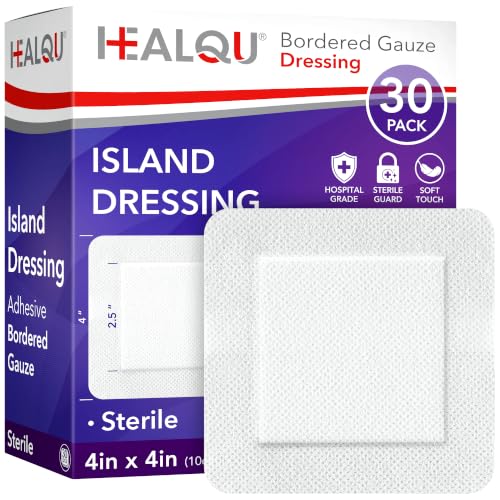
Best for: Everyday cuts and small wounds. This bordered gauze island dressing is designed to protect fresh injuries without sticking to the wound, helping the site heal more comfortably. The breathable, water-resistant backing supports moisture management while the edges remain adhesive to keep the dressing in place during daily activities.
Why selected: The combination of a non-stick center and a sticky edge makes application quick and minimizes wound disturbance during healing. It’s well-suited for households needing a reliable, ready-to-use option for quick first aid responses.
Limitation: The dressing is best for smaller injuries; larger, heavier exudate wounds may require higher-absorbency options.
Dimora Upgrade Silver Calcium Alginate Wound Dressing – 5 Packs

Best for: Wounds with moderate to heavy exudate that may benefit from antimicrobial action. This silver-infused alginate dressing provides a moist healing environment while releasing silver ions to help manage infection risk inside the dressing.
Why selected: The 5-pack option offers consistent coverage for ongoing care and reduces dressing-change frequency with high absorbency. It’s designed to maintain a moist wound bed, which supports natural healing processes while offering antimicrobial protection inside the dressing.
Caution: Silver-containing dressings may cause skin staining or irritation in rare cases; monitor the surrounding skin for sensitivity.
Dimora Calcium Alginate Wound Dressing – 4” x 4” Patches

Best for: Wounds requiring a highly absorbent, non-stick alginate dressing to maintain moisture without sticking to tissue. This option supports a moist environment and easy removal.
Why selected: Its calcium alginate composition forms a gel as it absorbs exudate, which keeps the wound appropriately moist while reducing dressing adherence to the wound bed. The 4×4 size is a common standard for many minor wounds.
Limitation: May require more frequent changes with very heavy exudate; assess wound drainage to determine replacement frequency.
ViveCare Hydrogel Wound Dressing
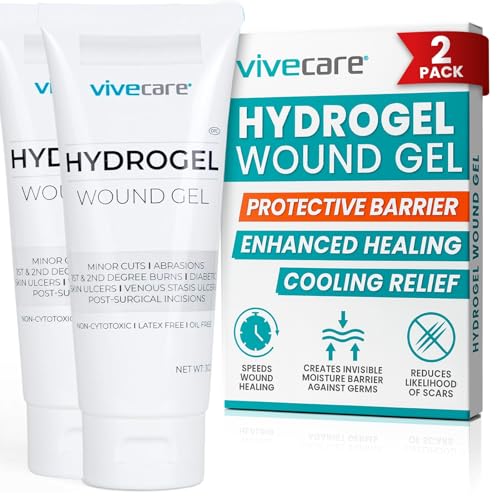
Best for: Wounds that need soothing moisture and a protective barrier, including burns or delicate surgical sites. The hydrogel environment supports cooling and comfort while maintaining hydration.
Why selected: Hydrogels provide a moisture-rich environment that can reduce dryness and discomfort, which is beneficial for infection-prone wounds where dryness can complicate healing. It also forms a protective layer to limit dehydration and bacterial exposure.
Limitation: Hydrogels are best for wounds that are not heavily draining; for very exudative wounds, pairing with an absorbent dressing may be necessary.
Medline Skintegrity Wound Cleanser

Best for: Wound cleansing and debridement to remove protein buildup and debris before dressing changes. Suitable for multiple wound stages, including infected wounds, with adjustable spray settings.
Why selected: Gentle cleansing without cytotoxic effects supports the healing process while reducing contamination risks. This product helps prepare wound beds for dressing application and may reduce infection risk when used as part of a care routine.
Caution: Use as directed to avoid over-wetting surrounding skin; ensure the spray setting is appropriate for the wound size and drainage level.
Buying Guide: Dressings For Infected Wounds
What shape and material best suit infection control?
Alginate dressings (calcium alginate) are highly absorbent and form a gel with wound exudate, which helps keep the wound moist and supports natural healing while potentially reducing bacterial growth within the dressing. Silver-infused alginates add an antimicrobial dimension, which can be helpful for wounds at higher risk of infection.
When should a hydrogel be preferred?
Hydrogel dressings provide moisture and cooling relief, making them useful for dry or irritated wounds, burns, or post-procedure sites. They help prevent dryness, which can hinder healing, but they may require a secondary absorbent dressing for wounds with significant drainage.
How important is non-stick protection?
Non-stick centers reduce pain and tissue disruption during dressing changes, especially for fragile or new wounds. Dressings with non-adherent properties are often preferable for infected wounds to minimize tissue disruption on removal.
Which cleansers enhance wound healing?
Wound cleansers that are noncytotoxic and designed to remove debris without harming healthy tissue support healing. Sprays that can be adjusted from mist to stream provide control for different wound sizes and drainage levels.
How to choose based on exudate level?
Heavy exudate pillows up moisture, so highly absorbent dressings such as calcium alginate with or without silver are suitable. Lighter exudate might be managed with bordered gauze island dressings or hydrogel dressings that maintain moisture without excessive saturation.
Practical tips for dressing changes
- Wash hands before and after dressing changes.
- Cleanse the wound as directed, starting from the surrounding skin toward the wound.
- Choose dressings that fit the wound size with a little extra margin to prevent leakage.
- Monitor for signs of infection: increased redness, heat, swelling, or discharge with a foul odor.
FAQ
- What dressing is best for an infected wound with moderate drainage?
- Should I use hydrogel on an infected wound?
- Can I reuse any wound dressing?
- How do I know if a silver-containing dressing is right for me?
- What should I do if a dressing sticks to the wound?
- When is medical advice needed for an infected wound?
Calcium alginate dressings, especially silver-infused versions, are a strong option for moderate drainage and infection risk, as they maintain a moist environment while absorbing exudate and providing antimicrobial action inside the dressing.
Hydrogel dressings are suitable for wounds that are dry or irritated and can help soothe discomfort. They are typically used in combination with an absorbent secondary dressing for wounds with drainage.
No. Most wound dressings are sterile and single-use to minimize infection risk. Always follow packaging instructions for disposal and replacement frequency.
Silver dressings are generally used when there is a concern about bacterial growth. If you have a known sensitivity to silver or skin discoloration concerns, consult a clinician before use.
Choose non-stick or non-adherent dressings and ensure correct sizing. If sticking occurs, gently loosen with saline or prescribed cleansing solution before removal to minimize tissue trauma.
Seek medical attention if there is increasing redness, warmth, pus, fever, or if the wound does not improve within a few days, as these can indicate deeper infection requiring professional care.