Finding the right ear plugs for sleeping can improve sleep quality, concentration, and overall comfort in noisy environments. This guide highlights five highly capable options, covering a range of noise reduction levels, fits, and use cases—from side-sleep comfort to travel and concerts. Each product is evaluated on fit, material, durability, and overall value to help American readers choose confidently.
| Product | Brand | Noise Reduction (dB) | Use Case |
|---|---|---|---|
| QWH Ear Plugs for Sleeping | QWH | Up to 30 | Sleep, focus, travel |
| TOAPEX Ear Plugs for Sleeping 45dB | TOAPEX | Up to 45 | Side sleepers, concerts, travel |
| Kvrueten Ear Plugs for Sleeping | Kvrueten | Up to 45 | Sleep, noise sensitivity |
| Loop Quiet 2 Ear Plugs | Loop | Up to 24 | Sleep, travel, focus |
| Mack’s Ultra Soft Foam Earplugs | Mack’s | 33 | Sleeping, snoring, travel |
QWH Ear Plugs for Sleeping Noise Cancelling
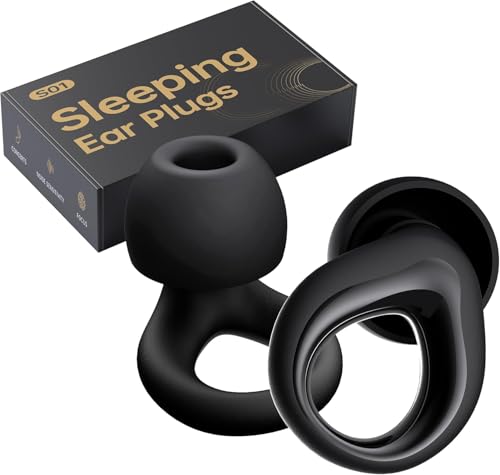
QWH’s reusable silicone earplugs offer flexible comfort and strong noise reduction, making them suitable for sleep, travel, and deep focus. The design emphasizes a soft, lightweight fit that remains comfortable for side sleepers, a common requirement for overnight wear. With four ear tip sizes (XS, S, M, L), the product aims to accommodate a wide range of ear canal shapes. They claim up to 30 dB of noise reduction, balancing effective hearing protection with maintaining sound awareness when needed. The silicone material supports easy cleaning and durability for long-term use, aligning with daily wear in varied environments.
TOAPEX Ear Plugs for Sleeping 45dB Noise Cancelling

TOAPEX combines multi-layer acoustic insulation with advanced tip design to deliver up to 45 dB of noise reduction. They emphasize a cloud-like fit with ultra-soft silicone and an ergonomic 3D shape that suits side sleepers and travelers. With eight tip options (2 XS, S, M, L) they promise broad compatibility with most ears. The ear plugs are designed to minimize pressure, making extended wear more comfortable, whether sleeping on planes or in noisy environments. They also highlight a balance between strong noise blocking and preserving sound fidelity for certain contexts, like concerts or events.
Kvrueten Ear Plugs for Sleeping 45dB

Kvrueten ear plugs feature a multi-layer, high-density silicone construction designed to reduce up to 45 dB of background noise. The soft silicone material supports all-night wear, and their 4-size (XS, S, M, L) option aims to fit a broad audience, including side sleepers. The design focuses on a snug seal to maximize noise reduction while staying comfortable during long flights or in loud environments. The product notes emphasize both sleeping use and suitability for concerts, offering a balance between quiet and sound clarity when appropriate.
TOAPEX Ear Plugs for Sleeping 50dB

This TOAPEX offering pushes noise reduction up to 50 dB with a multi-layer, high-density silicone design and an integrated filter. It is positioned for users seeking strong suppression for sleeping, flights, or loud events while maintaining a degree of sound isolation that helps minimize discomfort caused by pressure changes. The set includes seven ear tip options to tailor fit and comfort, including XS through L variants in single- and double-layer configurations. It emphasizes long-term wearability and recurring use for travelers and concert-goers alike.
Mack’s Ultra Soft Foam Earplugs

Mack’s Ultra Soft Foam Earplugs stand out for comfort with their soft foam and low-pressure design. They offer a Noise Reduction Rating (NRR) of 33 dB, making them suitable for sleeping, snoring mitigation, travel, and study environments. Mack’s is a well-established brand in hearing protection, with a focus on a non-irritating fit that works well for many users, including those who sleep on their side. This option is known for everyday convenience and broad availability in the U.S. market, appealing to those seeking a simple, reliable solution for various loud settings.
Buying Guide: Key Purchase Considerations for Sleeping Ear Plugs
When selecting ear plugs for sleeping, several factors influence comfort and effectiveness. Consider the following aspects to compare models and make a sound choice:
- Noise Reduction Level (NRR/claimed dB): Higher reductions are not always better for all users. Balance the level of protection with comfort and the ability to hear necessary sounds in emergencies or while traveling.
- Material and Texture: Silicone and foam offer different feels and durability. Silicone is reusable and easier to clean but may require a precise fit, while foam often provides a soft, conformed seal.
- Fit and Sizing Options: Four-size tip sets (XS/S/M/L) or multiple tip configurations improve chances of a secure fit, especially for side sleepers who move at night.
- Design for Comfort: Look for ergonomic shapes, low-pressure profiles, and features that minimize ear canal pressure during long wear.
- Durability and Cleaning: Reusable plugs should be easy to clean and maintain. Check whether the tips detach for thorough cleaning and long-term use.
- Use Case Versatility: Some models balance sleep comfort with sound fidelity for concerts or flights. Identify primary needs (sleep only vs. travel also).
- Allergen and Skin Compatibility: For sensitive ears, choose hypoallergenic materials and examined safety data when available.
- Maintenance and Replacement: Consider the expected lifespan, replacement tip availability, and overall cost per use.
Choosing the right ear plugs also depends on sleeping posture. Side sleepers benefit from slimmer, low-pressure designs, while back sleepers can tolerate deeper seals. For frequent travelers or concertgoers, models with customizable tip sizes and balanced attenuation may offer the best overall experience. If you sleep with a partner who snores, higher-dB options can produce meaningful relief, but ensure the fit remains comfortable enough for overnight wear.
Across the options above, the balance of comfort, seal efficiency, and long-term usability varies. Users seeking maximum noise reduction might lean toward 45–50 dB designs, while those prioritizing continuous comfort may prefer 24–30 dB models with soft, ergonomic fits. Durability, ease of cleaning, and availability of multiple tip sizes are equally important for sustained use. Review individual product features to align your choice with sleep habits, ear shape, and travel routines.
For best results, test a few options (where possible) and keep a spare set of tips on hand. If irritation occurs, discontinue use and consult an audiologist. With the right ear plugs, restful sleep, improved focus, and quieter travel are within reach.