For oxygen users, foam ear protectors offer a practical solution to reduce ear irritation and cheek indentation from tubing. This guide highlights select foam ear cushions designed for nasal cannulas, explaining who each product is best for and why it stands out. The recommended picks cover a range of pack sizes, materials, and ease of use to suit adults, seniors, and children alike. Use this overview to compare installation, comfort, and durability, and to decide which cushion best fits your daily oxygen routine.
| Product | Pack Size | Best For |
|---|---|---|
| ResOne Foam Ear Cushions | 5 Pair | Long wearers who want easy installation over tubing |
| NATAKU 12 Pack | 12 pieces (6 pairs) | Budget-conscious users needing regular replacements |
| Aetherix 6 Pcs | 6 Pieces | Compact, lightweight option with velcro ease |
| BBTO 40 Pack | 40 Pieces (20 pairs) | Families or caregivers managing multiple users |
| NATAKU 24 Pack | 24 Pieces (12 pairs) | Balanced quantity for home use |
ResOne Foam Ear Cushions – Gentle, Easy‑Install Cushions

Best for users who value a simple, split‑tube design and a soft barrier against tubing pressure. The ResOne cushions are described as lightweight foam that reduces irritation and friction between skin and cannula tubing. The split‑tube design makes installation straightforward over standard nasal cannula tubing or mask straps, a practical feature for caregivers and individual users alike. Suitable for extended wear, these pads help minimize rubbing and soreness during long sessions of oxygen therapy. A potential limitation is that foam may accumulate sweat over time; regular cleaning is advised.
NATAKU 12 Pack Nasal Cannula Ear Cushions
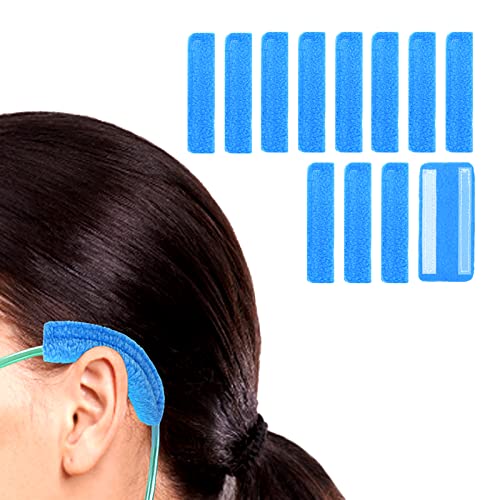
Best for budget‑minded buyers needing regular replacements. This package includes 12 pieces (6 pairs) with a soft polar fleece fabric to reduce cheek indentation and absorb sweat. It’s designed to fit all standard tubing widths, making it suitable for a broad audience including the elderly and children. The cushions are described as skin‑friendly and designed to prevent facial red marks during sleep. A limitation to note is that the fabric relies on periodic washing to maintain hygiene and comfort.
Aetherix 6 Pcs Nasal Cannula Ear Cushions

Choose this if you want a compact set with a focus on soft, skin‑friendly materials. The Aetherix cushions create a protective layer between skin and cannula, helping relieve ear soreness and prevent cheek indentation. The fabric is described as polar fleece, offering sweat absorption for comfort during longer wear. An included caution is that some users may prefer larger or differently contoured pads for a perfect fit across various cannula styles; verify sizing relative to your tubing before purchasing.
BBTO 40 Pack Nasal Cannula Ear Cushions

Best for households or caregivers managing multiple users at once. This bulk option includes 40 pieces (20 pairs) of cushions made from fleece material that is breathable, soft, washable, and durable for repeated use. The design emphasizes ease of application with hook‑and‑loop fasteners and versatility for placement behind the ears or on the cheeks to prevent indentation. A limitation is that larger packs may include variations in fit; confirm compatibility with your tubing width before bulk use.
NATAKU 24 Pack Nasal Cannula Ear Cushions

Best for balanced home use with regular replacements. The cushions come in a 24‑piece package (12 pairs) and use soft polar fleece fabric to reduce facial indentation and absorb moisture. They’re designed to fit all standard cannula widths, making them versatile for different oxygen setups. A potential caveat is that some users may prefer darker colors to help hide wear over time; washing helps maintain appearance and hygiene.
Buying Guide: How to Choose Foam Ear Protectors for Nasal Cannulas
- Fit and width compatibility: Ensure the cushions fit your tubing width and nose/ear area. Universal or standard widths work for most users, but confirm if you use non‑standard tubing.
- Material and texture: Look for fleece or soft foam that is hypoallergenic and washable. A breathable fabric helps prevent heat buildup during long wear.
- Attachment method: Split‑tube designs, Velcro, and hook‑and‑loop fasteners affect ease of installation and secure fit. Consider who will apply the cushions (user vs caregiver).
- Durability and care: Reusable cushions save money, but require regular washing and inspection for wear. Check if pads maintain shape after multiple uses.
- Pack size and replacement cadence: Bulk packs are cost‑effective for families; smaller packs suit solo users who replace frequently.
- Allergy and skin sensitivity: For sensitive skin, choose cushions advertised as skin‑friendly and hypoallergenic to reduce irritation risk.
Frequently Asked Questions
- Do foam ear cushions interfere with oxygen flow? No. They sit between the tubing and skin to reduce pressure without altering the tubing’s path or flow.
- Can I wash foam ear cushions? Most fleece and foam cushions are washable; follow the product’s care instructions to maintain softness and avoid damage.
- Will cushions fit all nasal cannulas? Most are designed for standard tubing widths, but verify product dimensions if you use non‑standard equipment.
- How long do cushions typically last? Durability depends on usage, wash frequency, and fabric quality. Inspect for cracks or loss of padding and replace when needed.
- Are these cushions suitable for children and seniors? Yes, many packs specify suitability for elderly and pediatric users; choose a size and pack that aligns with the user’s age and tolerance.
- Do cushions help with cheek indentation during sleep? Yes, cushions are designed to minimize pressure points on the cheeks and nose during sleep or prolonged wear.