Answering the question: which g tube securement device best protects feeding tubes while remaining comfortable and skin-friendly? This guide compares top options for carers and patients needing gastrostomy or PEG/J tube support. It highlights who each product is best for, from kids to adults, and why they stand out for different daily activities. Use this to choose a g-tube holder that reduces tugging, irritation, and accidental displacement, while staying discreet and easy to use. A quick buyer’s table at the top summarizes key points for fast comparison.
| Product | Brand | Best For | Why It Stands Out |
|---|---|---|---|
| Low-Profile Catheter Stabilization Device for Kids | DiaBelt | Children with PEG/J tubes | Velcro, low profile, skin-friendly adhesive; reduces snagging and pulling |
| Catheter Stabilization Device, Feeding Tube Holder | HNYG | Users needing gentle, skin-friendly patches | Self-adhesive, breathable non-woven fabric, easy removal |
| [2 Pack] Feeding Tube Belt | WoundWarrior | Active, on-the-go users | Velcro pouch with slit, reduces irritation from tape, discreet wear |
| Low Profile Feeding Tube Holder | Hola Health | People seeking minimal bulk | Soft, breathable, skin-friendly adhesive; easy to position |
| TIDI Grip-Lok Securement Device | TIDI | Home care and clinics | Low-profile, adjustable with hook-and-loop, comfortable |
Low-Profile Catheter Stabilization Device For Kids

This DiaBelt catheter holder is designed for pediatric gastrostomy or PEG/J tubes. Best for caregivers prioritizing a compact, non-bulky option that won’t snag on clothing. The adhesive patch and velcro straps keep the tube secure without excess pressure on the incision area. It is especially suitable for daily activities where minimal bulk helps end-users stay comfortable. A potential limitation is that single-use packaging means repeat purchases may be needed as tubes are changed.
Best for: Parents of small children and caregivers seeking a gentle, skin-friendly fix that stays in place during movement.
Catheter Stabilization Device, Feeding Tube Holder

This self-adhesive patch is a compact solution that keeps feeding tubes secured and reduces movement and skin irritation. It works as both a feeding tube stabilizer and a nephrostomy tube support, offering versatility for different catheter needs. Best for users who want an easy-to-apply, single-pack option with skin-friendly materials. A caveat is that adhesive performance may vary by skin type and body contours.
Best for: Individuals needing a reliable, straightforward adhesive solution without bulky hardware.
[2 Pack] Feeding Tube Belt

The WoundWarrior feeding tube belt is designed for discreet, on-the-go use. Its Velcro pouch with a back slit helps thread the tube through and keep it firmly in place, reducing tugging and irritation. Best for active users who want a belt-like solution that stays under clothing. Limitation: some wearers may prefer a lower-profile patch or belt without a visible pouch.
Best for: Active patients or caregivers needing a discreet, belt-style solution that minimizes movement and irritation.
Low Profile Feeding Tube Holder
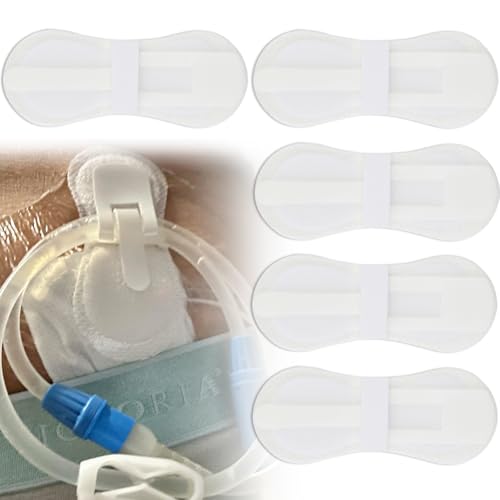
Hola Health’s low-profile holder emphasizes a simple, skin-friendly design with secure adhesive and velcro. It’s especially suitable for users who need a modest appearance while keeping the tube in place. The product notes emphasize latex-free materials and reduced skin irritation. Caution: tight removal or improper adhesive changes can irritate sensitive skin in some users.
Best for: Those who value a sleek, non-bulky option that’s comfortable for long wear.
TIDI 3300M-10PK Grip-Lok Securement Device
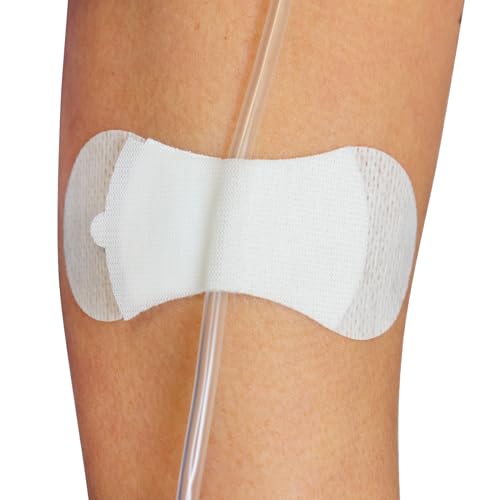
TIDI’s Grip-Lok line emphasizes medical-grade reliability and a low-profile design. The kit is suitable for home healthcare and clinics, with a hypoallergenic adhesive and adjustable hook-and-loop closure for repositioning. Best for patients who require a balance of secure hold and easy readjustment. Limitation: availability may vary by supplier, and some users may prefer a patch-only approach over a hook-and-loop system.
Best for: Home care or clinical settings needing a flexible, secure, low-profile solution.
30 Pcs Catheter Stabilization Device

This Telooco set provides multiple units for long-term care needs. Its nylon-based design is breathable and latex-free, suitable for a variety of catheter types beyond G-tubes. Best for caregivers who need cost-effective bulk options and versatility across several patients or tubes. Limitation: larger packs may be more than some users require, potentially wasting unused units.
Best for: Care facilities or families needing multiple replacements with a single purchase.
RCARE Catheter Fixing Dressing

RCARE’s dressing-based catheter fixation kit is designed for stable positioning of PICC, CVC, and Foley catheters. It emphasizes comfort with breathable materials and a gentle adhesive to avoid skin irritation. Best for users who want a dressing-style solution that stays in place during movement. Caution: specified tubing sizes may not fit all users; check compatibility before selecting.
Buying Guide: Key Considerations For G-Tube Securement
- Tube type compatibility: Confirm whether the holder works with G-tube, J-tube, or PEG-fed tubes and the diameter of the catheter.
- Skin sensitivity: Look for breathable, latex-free adhesives and hypoallergenic materials to minimize irritation during long wear.
- Profile and bulk: Decide between low-profile patches versus belt-style or patch-and-strap designs based on daily activity and clothing.
- Attachment method: Velcro, adhesive patches, or hook-and-loop systems each offer different ease of use and reusability. Consider skin-friendly removal.
- Mobility and durability: For active users, choose a securement device that resists tugging without restricting movement.
- Single-use vs. multi-pack: Consider whether you need individual patches or bulk packs for caregiving workflows.
- Hygiene and maintenance: Some products are disposable, others are designed for cleaning and reuse. Factor cleaning needs into your choice.
Frequently Asked Questions
- What is a g-tube securement device?
A device designed to hold a gastrostomy or PEG/J feeding tube in place, preventing tugging or accidental dislodgement while enabling comfortable daily wear.
- How do I choose the right device for my child?
Prioritize a low-profile design, skin-friendly adhesive, and a method that reduces pulling around the incision. Consider daily activity and clothing compatibility.
- Are these devices reusable?
Some are single-use patches; others use reusable velcro or hook-and-loop systems. Check product details for care instructions and replacement needs.
- Can these supports cause skin irritation?
Any adhesive-based product can irritate sensitive skin. Look for latex-free, hypoallergenic materials and remove slowly to minimize irritation.
- Which option is best for active daily living?
Belts or low-profile patches with secure yet flexible closure tend to offer the best balance of hold and movement for active users.
- Should I consult a clinician before switching devices?
Yes. A clinician can confirm tube size compatibility and advise on best practices for securement and skin care.