Direct answer: silicone-based scar gels are widely used after surgery to help reduce scar visibility and support skin healing. This guide highlights five medically relevant options tailored to different needs, from post-surgical keloids to acne-related scarring. Best for: active post-surgery recovery, sensitive skin, and long-term scar reduction. The following selections emphasize proven silicone technology, ease of use, and compatible application on new and older scars.
| Product | Best For |
|---|---|
| HealFast Silicone Scar Gel | Surgical scars, keloids, C-section, burns |
| NUVADERMIS Scar Gel | Surgical scars, sensitive skin, hydration |
| Mederma PM Intensive Overnight Scar Cream | Nighttime scar reduction |
| BIOCORNEUM Advanced Scar Treatment | New and old scars, versatile body areas |
| KOJYOCYO Advanced Scar Gel | Post-surgery scars and keloids |
HealFast Silicone Scar Gel & Cream for Surgical Scars
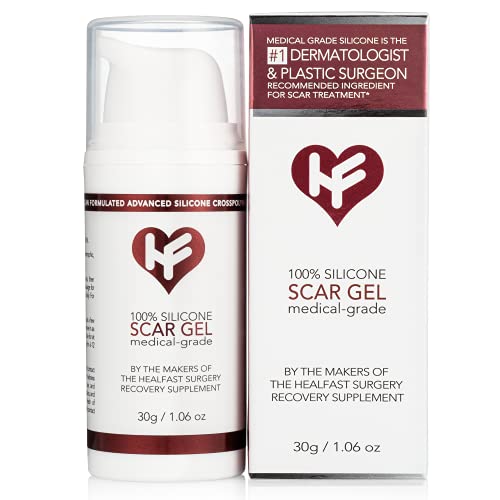
Best for: patients seeking a physician-made, medical-grade scar gel with proven silicone scar sheeting. The product emphasizes crosspolymer silicone gel and a formula trusted by plastic surgeons and dermatologists for post-surgery recovery across ages and skin types.
Why chosen: uses scientifically proven silicone gel sheeting to support new and old scar repair without additives. A suitable option for those preferring a medically oriented gel with a focus on scar reduction after surgical procedures.
Limitation: product data stresses medical-grade ingredients but users should monitor for any skin sensitivity and follow application guidelines for best results.
NUVADERMIS Scar Gel

Best for: those seeking a dermatologist-tested formula with retinol and vitamin E to refine texture on fully healed skin. Suitable for surgical scars and acne-related scars on the face, with emphasis on hydration and elasticity support.
Why chosen: clinically proven ingredients aim to reduce scar appearance while maintaining skin softness. Safety considerations include retinol use, which may require gradual introduction for sensitive skin types.
Caution: retinol-containing products should be used as directed and avoided on irritated skin or during pregnancy unless advised by a clinician.
Mederma PM Intensive Overnight Scar Cream

Best for: nighttime scar care that aligns with the body’s natural regenerative cycle. Particularly suited for scars resulting from acne, surgery, burns, and injury that benefit from overnight hydration and renewal.
Why chosen: describes a triple-action approach designed to lock in moisture, support collagen production, and renew skin cells during sleep. Clinical appearance of results is framed around a two-week to several-week horizon, depending on scar age.
Limitation: overnight formulations may require consistent nightly use and may take weeks to show noticeable changes for older scars.
BIOCORNEUM Advanced Scar Treatment with Silishield SPF 30

Best for: users looking for a fast-drying, water-resistant silicone gel with SPF 30 protection. Suitable for both new and old scars across the body and face, including post-surgical applications.
Why chosen: promoted as surgeon-recommended silicone gel with Silishield technology to reduce scarring and protect from sun exposure, a factor in scar pigmentation and visibility.
Caution: SPF-containing silicone gels should be reapplied per product guidelines when outdoors and not used on broken skin without medical advice.
MURASAKI BEAUTY 100% Silicone Scar Gel

Best for: users needing a multi-purpose silicone gel for surgical scars, C-section, stretch marks, acne, and keloids. Emphasizes a powerful triple-action approach to improve color, size, and texture.
Why chosen: focuses on consistent use to unlock scar improvement, including guidance on gradual massage and timeframes for new vs. old scars.
Limitation: outcomes vary; results depend on scar age, skin type, and adherence to the application routine.
Kelo-cote Advanced Formula Scar Gel
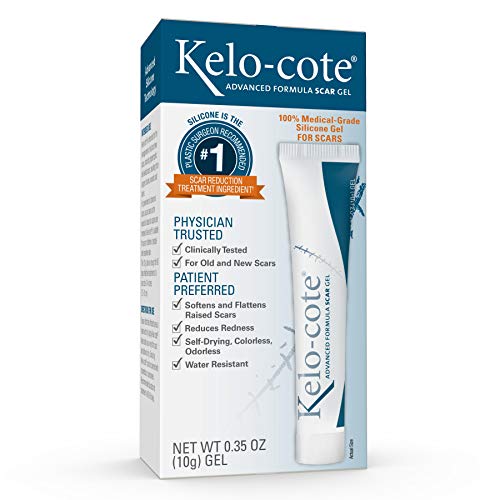
Best for: patients seeking a long-standing, self-drying, non-greasy silicone gel with strong scar-softening properties. Suitable for both old and new scars, including sensitive skin and pediatric users.
Why chosen: well-known for reducing redness and flattening raised scars, with a non-greasy feel that works under makeup once dry.
Limitation: colorless and odorless formulation may be less noticeable during the initial application for some users seeking rapid texture changes.
Buying Guide: Key Purchase Considerations
- Scar Type and Location: Choose products with clinical or surgeon-backed use for surgical scars, including C-sections and burns. Face-focused formulas may offer gentler textures for daily wear.
- Active Age of Scar: New scars often respond to silicone gels quickly; older scars may require longer treatment and consistent use.
- Formulation and Texture: Gel-based formulas typically dry faster and feel light on the skin, while thicker gels or tapes may provide longer wear times.
- Sun Exposure: If a product includes SPF (like Silishield SPF 30), it helps protect healing skin from pigmentation changes caused by sun exposure.
- Skin Sensitivity: Consider dermatologist-tested products and those formulated for sensitive skin, especially for facial scars or children.
- Usage Duration: Some products recommend daily use for several weeks to months; follow the product’s guidance for best results.
FAQ
- What is the primary purpose of silicone scar gels after surgery?
They help maintain a hydrated, protective barrier that supports scar remodeling and may reduce scar visibility over time.
- Can these gels be used on all scar types?
Most are suitable for post-surgical scars and related conditions, but consult a clinician for specific scar types like active keloids.
- Is SPF important in a scar gel?
SPF helps protect healing skin from sun damage, which can affect scar pigmentation. Use SPF-containing formulas when outdoors.
- How long do results take to appear?
Results vary by scar age and skin type, but some products report noticeable changes within 2–14 weeks with consistent use.
- Should I choose a medicated gel or a dermatologist-tested option?
Dermatologist-tested options are typically safer for sensitive skin, while medicated or physician-made gels may emphasize clinical-grade silicone technology.
- Can these gels be used on the face?
Yes, many are formulated for facial use, but check the product’s instructions and consider skin sensitivity when applying near the eyes or lips.