For post-cataract surgery recovery, choose glasses and shields that minimize light, glare, and irritation while protecting sensitive eyes. This guide highlights five practical options, explaining who benefits most from each and why they suit different recovery needs. Use these selections to balance comfort, protection, and ease of wear during daily activities after surgery.
| Product | ||
|---|---|---|
| Goiteia Cataract Sunglasses | Over Glasses Wraparound | Light-sensitive individuals needing full light reduction and side protection |
| OPTEGO Fit Over Sunglasses | Over Glasses Sunglasses | Prescription wearers seeking easy sun protection without switching frames |
| iSafety Polarized Cataract Recovery Sunglasses | Wraparound UV400 | Those needing comprehensive UV and glare reduction during outdoor recovery |
| Jolooyo Postoperative Safety Glasses | Protective Glasses | Post-surgery patients needing durable eye protection with eye coverage |
| FSJLT Eye Shield 2 Pack | Eye Patch Shield | Sleeping protection and gentle daytime wear after surgery |
The following sections provide detailed insights for each product, including who benefits, advantages, and practical cautions. A concise Buying Guide and a short FAQ follow to help finalize your choice.
Goiteia Cataract Sunglasses for Light Sensitivity
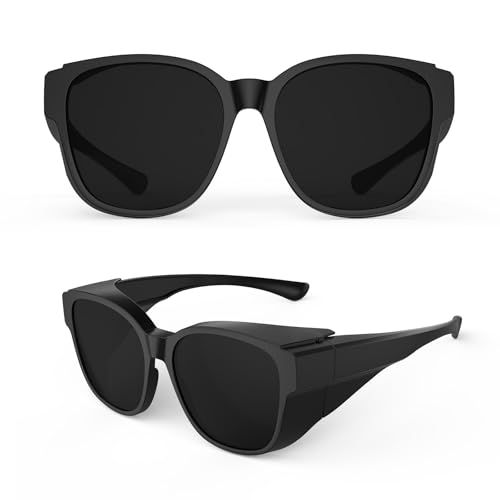
Best for: Post-operative wearers who need robust light blocking and side protection. These sunglasses feature all-angle light blocking with built-in side shields and a top visor, reducing peripheral glare and wind exposure. The 2-in-1 design fits over Rx glasses up to 5.43″ W x 2.05″ H or can work as standalone wraparounds. The lenses are polarized and UV400, offering strong glare reduction in bright outdoor environments.
Why selected: The dual-use design adds flexibility for daily activities while protecting eyes during healing. The 50% darker lenses help with photophobia and extreme light sensitivity, which is common after cataract surgery.
Caution: Not suitable for driving in some lighting conditions due to the very dark lenses. Over-glasses fit may vary by frame size.
OPTEGO Fit Over Sunglasses

Best for: Prescription wearers who want sun protection without removing glasses. These smoke-colored lenses reduce brightness while over-glasses fitment remains simple. Lenses are impact-resistant polycarbonate, providing durable daily wear while offering UVA/UVB coverage.
Why selected: The design emphasizes compatibility with a wide range of prescription frames, making it a practical, low-effort option during recovery and outdoor activities.
Caution: While impact-resistant, non-polarized lenses may not reduce all glare in highly reflective situations. Fit may vary with larger frames.
iSafety Polarized Cataract Recovery Sunglasses

Best for: Individuals needing maximum eye protection and comfort after surgery. The wraparound frame provides full 360° coverage from UV rays, wind, and glare. Polarized UV400 lenses reduce glare and support visual clarity, contributing to a soothing recovery environment outdoors.
Why selected: The combination of wraparound protection and full UV blocking aligns with medical guidance for sensitive post-surgery eyes, helping minimize strain during healing.
Caution: Some users may prefer non-polarized options to avoid color-shift effects on screens in certain activities.
Jolooyo Postoperative Safety Glasses

Best for: Patients who want durable, protective eyewear with wind and dust resistance. These glasses meet ANSI Z87+ and CSA Z94.3 safety standards, featuring a foldable design and an EVA cotton-wrapped frame for comfort. They also include a detachable mirror rope for night sleep wear to avoid eye irritation during healing.
Why selected: The emphasis on safety standards and a protective frame makes these suitable for users seeking reliable protection beyond standard sunglasses during recovery.
Caution: May feel bulky for some wearers; the protective design prioritizes coverage over a minimal look.
FSJLT 2 Pack Eye Shield for Cataract Surgery
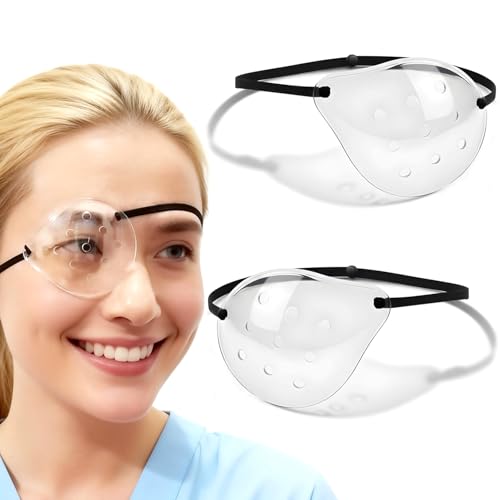
Best for: Sleeping protection and daytime eye safety post-surgery. The clear, hard plastic shield provides visibility while shielding the eye from bumps and irritants. The extended elastic strap ensures the shield stays in place during sleep, reducing the risk of accidental displacement.
Why selected: As a non-sunglass option, it complements other eye protection methods during rest periods, supporting gentle recovery while avoiding direct eye contact with contaminants.
Caution: Designed primarily for protection rather than daytime glare reduction; not a substitute for sunglasses when outdoors.
Buying Guide: Key Purchase Considerations
What should you evaluate when choosing glasses after cataract surgery?
- Protection level: Look for UV400 or full UV protection and consider dark, polarized lenses if glare is a major issue.
- Fit and compatibility: If you wear prescription glasses, see whether an over-glass design suits your frames and comfort preferences.
- Coverage: Wraparound styles provide front, top, and side protection, which helps reduce light exposure from multiple angles.
- Material and durability: Polycarbonate lenses are lightweight and impact-resistant, ideal for long hours of wear during recovery.
- Comfort and wear: Consider nose bridge and temple fit, especially for extended use or sleeping shields that must stay securely in place.
- Usage scenario: Choose sunglasses for outdoor protection; eye shields or sleep masks can complement daytime eyewear for rest periods.
- Not all lenses are suitable for driving: Many ultra-dark options are not recommended for driving and should be used with caution in traffic.
Who should consider each option?
- Goiteia Cataract Sunglasses: Best for patients needing strong light blocking with flexible over-glass use.
- OPTEGO Fit Over Sunglasses: Best for prescription wearers seeking easy, frame-free sun protection.
- iSafety Polarized Cataract Recovery Sunglasses: Best for outdoor recovery with comprehensive light and glare control.
- Jolooyo Postoperative Safety Glasses: Best for robust protection and safety standards during sleeping and daily activity.
- FSJLT Eye Shield: Best for nighttime protection and gentle daytime wear when minimal glare reduction is acceptable.
FAQ
- Q: Are these glasses safe immediately after cataract surgery?
- A: Yes, most options are designed to protect sensitive eyes during early recovery, but follow your surgeon’s guidance on eye protection and wearing duration.
- Q: Can I wear these over my prescription glasses?
- A: Several models are specifically designed to fit over prescription frames, providing convenience without swapping lenses.
- Q: Should I choose polarized or non-polarized lenses?
- A: Polarized lenses reduce glare in bright outdoor settings, which is beneficial for sun exposure, while non-polarized can be suitable for screens and certain activities.
- Q: Can these be worn while driving?
- A: Some ultra-dark options are not recommended for driving; verify lens darkness and local safety recommendations before using them in traffic.
- Q: How do I determine if over-glass fit will work for me?
- A: Check the listed dimensions against your Rx glasses (width and height) and consider trying models with adjustable features for comfort.