Direct answer: choose a high-density or multi-density foam roller designed to target back muscles, fascia, and trigger points. This guide highlights five hard foam rollers that are especially effective for back relief, deep tissue work, and mobility. Best for athletes, office workers with back stiffness, and anyone seeking targeted self-massage options. Below, compare who each product is best for, plus a quick snapshot of options for quick reference.
Summary table of selected products:
| Product | Best For | Density | Length |
|---|---|---|---|
| TriggerPoint Grid 1.0 | Deep tissue work on back and hips | Multi-density | 13″ |
| 321 Strong — Orange | Deep trigger point release, back and spine sides | Medium | 12″ |
| ProsourceFit High Density 12″ | Back and full-body massage, beginners to intermediate | High | 12″ |
| The Original Body Roller | Back and leg myofascial release, beginners friendly | High-density | 13″ |
| Krightlink 13″ | Deep tissue back work, versatile for daily use | High | 13″ |
TriggerPoint Grid 1.0 Foam Roller

The TriggerPoint Grid 1.0 features a multi-density GRID surface with a three-dimensional texture designed to promote tissue aeration and improved blood flow for faster muscle recovery. Its distinctive ridges and nodules help target back muscles, the upper and lower spine areas, and adjacent muscle groups. Best for athletes needing a precise, massage-like feel that mimics therapist hands.
Best for: serious back massagers and athletes seeking structured, targeted relief. It’s chosen for its proven layout that balances firmness with comfort. Caution: some users may find the texture too intense if new to self-myofascial release.
321 Strong Foam Roller — Orange
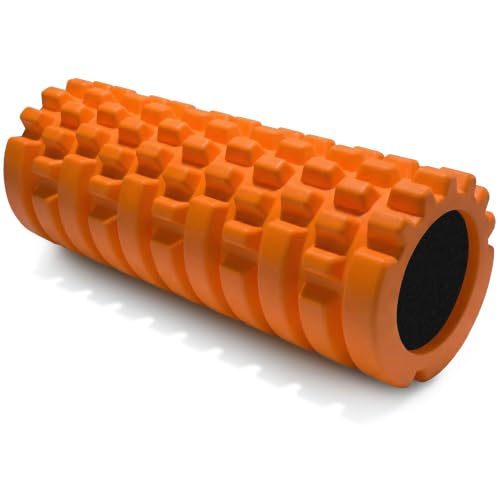
This medium-density roller uses patented technology with textured projections designed to penetrate soft tissue and fascia, aiming to relieve back pain and knots along the spine. The roller mimics hands of a therapist and is wrapped in BPA-free EVA foam for a premium feel. It’s particularly effective for mid-back and shoulder blade tension.
Best for: people who want a deep but controlled back massage without intense pressure. Better for those who prefer a robust, massage-like sensation. Caution: the density may still feel firm for beginners; start gradually to avoid muscle soreness.
ProsourceFit High Density Foam Roller — 12 Inches

This 12-inch high-density roller provides a firmer massage suitable for back muscle groups, spine stabilization exercises, and flexibility routines. It’s versatile for pre- and post-workout use and supports body awareness during Pilates and yoga sessions. The high-density material maintains shape under pressure and supports heavier users.
Best for: beginners to intermediate rollers seeking a firm but manageable back-focused option. Choose this if you want a straightforward tool for back, hip, and leg muscle release. Caution: shorter length may limit some back-facing angles compared with longer rollers.
The Original Body Roller — 13″
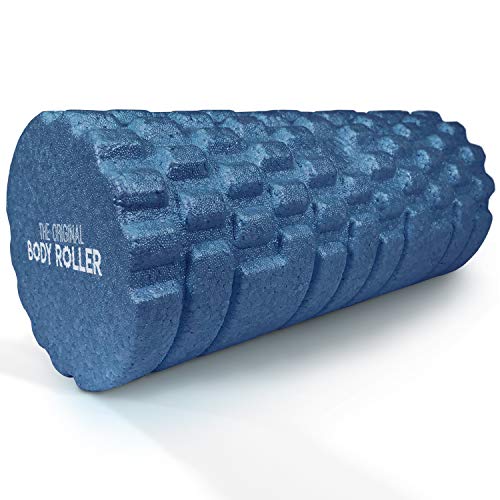
Designed for deep tissue massage of the back and legs, this roller uses a dual-grid design with finger-like ridges on one side and spiked bumps on the other. Its heavy-duty EPP construction supports athletes while remaining comfortable for beginners. This can target trigger points along the spine and surrounding back muscles.
Best for: users needing a versatile back-and-leg release tool with varied textures. Limitation: some users may prefer a longer roller for full-back coverage, depending on torso length.
Krightlink Foam Roller — 13″

This high-density roller aims to deeply relax tight back muscles and release myofascial adhesions. It’s built to be light yet durable, with padding designed to maintain shape under use. It’s suitable for daily stretches and post-workout recovery, and it’s noted for versatility across back, legs, and shoulders.
Best for: daily back maintenance and individuals who want a durable option with consistent firmness. Caution: data notes a general-purpose design—may not be as tailored for advanced, professional-grade therapy as specialty rollers.
Buying Guide
What to consider when choosing a hard foam roller for the back:
- Density and texture: Higher density rollers provide firmer pressure for deeper fascia work; multi-density options offer varied sensations across the back.
- Length: Longer rollers cover more back surface; 12–13 inches is common for back-focused use, while 12 inches can be easier to maneuver for beginners.
- Surface pattern: Projections and ridges mimic hands and fingers, which can improve trigger point release and tissue kneading.
- Durability: Materials like high-density foam, EVA, and EPP tend to hold shape under pressure and last longer with regular use.
- Intended users: Athletes may prefer denser, more targeted rollers; beginners might start with slightly softer high-density options to ease into pressure.
Frequently Asked Questions
- Q: Can a hard foam roller cause back injury? A: When used properly with slow, controlled movements, hard rollers provide safe trigger point release. Avoid rolling directly over the spine; target the muscles on either side of the spine instead.
- Q: How long should I roll each back area? A: Start with 1–2 minutes per region, then increase gradually as comfort allows.
- Q: Are hard rollers better than soft ones for the back? A: Hard rollers deliver deeper pressure for fascia and knot release, while soft rollers are gentler and suitable for beginners or sensitive backs.
- Q: Is length important for back work? A: Yes. Longer rollers can reach more of the back in a single pass, improving efficiency and consistency of the massage.
- Q: How often should I use a foam roller for back relief? A: Daily use is common for maintenance; adjust frequency based on sensitivity and recovery needs.
- Q: Can I use a hard roller if I have back injuries? A: If you have a preexisting condition, consult a healthcare professional before starting self-myofascial release.