Find the right hard foam roller to target tight muscles, fascia, and knots. This guide focuses on high-density and firmer options best suited for athletes, runners, and fitness enthusiasts who want deeper tissue massage, improved mobility, and quicker recovery. Each pick is evaluated for who benefits most, plus a clear caveat to help you choose confidently. The table below summarizes five solid choices from well-known brands.
| Product | Type | Best For | Why Selected |
|---|---|---|---|
| ProsourceFit High Density Foam Rollers 12″ (Firm) | High-density | Back, legs, core work | Deeper massage; supports up to 300 lb; versatile for pre/post workout use |
| Amazon Basics High Density Foam Roller 18″ | High-density | General stability and mobility | Solid balance of firmness and comfort; durable construction |
| Amazon Basics High Density Foam Roller 24″ | High-density | Full-body routines and balance work | Longer length for broader coverage and stability exercises |
| Krightlink Foam Roller High Density 13″ | High-density | Deep tissue massage for athletes | Penetrates deep into muscles; designed for mobility and release |
| 321 Strong Medium Density Foam Roller | Medium-density | Deep tissue with manageable pressure | Mid-range density with patent projections for knot relief |
TriggerPoint Grid 1.0 Foam Roller

The TriggerPoint Grid 1.0 Foam Roller offers a multi-density surface with a three-dimensional grid pattern. This design aims to improve tissue aeration during rolling and support better blood and oxygen flow for recovery. The Distrodensity Zones provide a comfortable feel across tight or soft tissues. This roller is best for athletes seeking a deeper, therapist-like massage with a focus on targeted areas such as the back, hips, and legs. A potential limitation is that some users may find the ridges too intense if starting from a very sensitive level.
ProsourceFit High Density Foam Roller 12″

ProsourceFit’s 12-inch high-density foam roller provides a firm, stable surface ideal for deep tissue work. Its high-density construction helps maintain shape under pressure, supporting users up to 300 pounds. This roller is best for beginners and advanced users who want a firm tool for back, legs, calves, hamstrings, and glutes. Best for: athletes and fitness enthusiasts who want a reliable, versatile roller. Limitation: shorter length may require repositioning for larger muscle groups.
Amazon Basics High Density Foam Roller 18″

The 18-inch Amazon Basics high-density roller balances firmness with manageable pressure across different muscle groups. It’s a solid choice for reliable back and leg massage, mobility work, and core conditioning. Best for: individuals who want a straightforward, durable roller for routine recovery. Caution: some users may prefer a longer length for full-body rolling.
Krightlink High Density 13″ Foam Roller

Krightlink’s 13-inch high-density roller emphasizes deep tissue release with a compact, portable design. It targets major muscle groups and is suitable for pre-workout activation and post-workout recovery. Best for: runners, gym goers, and practitioners who need a firm tool that fits in a gym bag. Limitation: shorter length may require repositioning for larger muscle surfaces such as the back.
321 Strong Medium Density Foam Roller
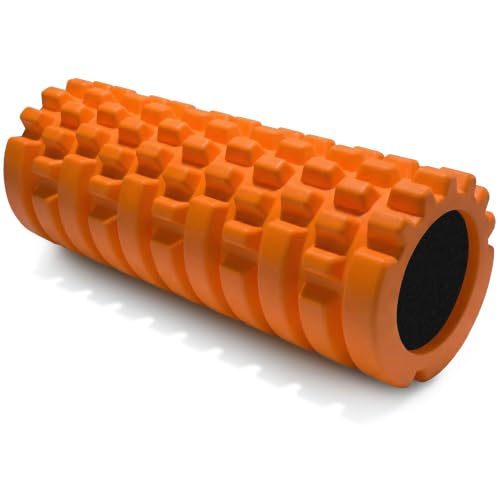
The 321 Strong roller uses a medium density with patented projections that dig into fascia and muscle tissue. This design aims to provide effective deep tissue massage and trigger point relief while remaining comfortable for beginners. Best for: people seeking a balanced level of pressure and a therapist-like feel. Caution: medium density may feel less intense for those accustomed to very firm rollers.
Buying Guide: How To Choose A Hard Roller For Muscles
What density should you choose? High-density rollers offer firmer pressure and deeper tissue breath to break up knots, while medium-density rollers provide a more forgiving experience. Consider your current fitness level, target areas, and sensitivity. If you’re recovering from workouts regularly and need consistent deep tissue relief, a high-density option is typically preferable.
What length matters? Short rollers (around 12 inches) are portable and practical for targeted muscle groups; longer rollers (18-24 inches) cover larger areas and support full-body routines. For beginners, starting with a shorter, firmer roller can ease into more intense sessions.
Ridge pattern and surface texture: A multi-density or textured pattern aims to mimic hands and fingers, providing varied pressure across different body parts. Ridges can increase effectiveness for trigger points but may feel intense at first. If you’re new to rolling, start with a smoother, flatter surface and gradually try textured options.
What are your primary goals? Choose based on your main needs: plain stability and mobility, deep tissue relief, or fascia-focused care. For athletes who perform frequent high-intensity workouts, firm rollers with a durable core tend to deliver the most consistent performance over time.
Maintenance and durability: Look for a roller with a strong core and durable exterior that resists deformation under pressure. PVC and EVA materials are common; ensure the roller is easy to clean and resistant to sweat and moisture.
Frequently Asked Questions
- What is the difference between high-density and medium-density foam rollers?
High-density rollers are firmer and provide deeper tissue pressure, which helps with knot release and deeper fascia work. Medium-density rollers are less intense and better for beginners or users who prefer gentler massage.
- How often should I use a foam roller?
For most users, 5–10 minutes per session, a few times per week, supports mobility and recovery. Adjust frequency based on your training load and comfort level.
- Can a foam roller replace a massage therapist?
Foam rollers offer self-myofascial release and can complement professional therapy but are not a complete substitute for hands-on massage or physical therapy when prescribed.
- Is a longer foam roller better for back relief?
A longer roller can cover more surface area, which is helpful for back and spine-friendly routines. Short rollers are more portable and easier for targeting specific areas.
- Are textured rollers safer for beginners?
Textured rollers can be more intense. Beginners should start with smooth surfaces and gradually work up to textured patterns as tolerance builds.
- Do foam rollers help with cellulite or lymphatic drainage?
Some rollers claim benefits for fascia conditioning and lymphatic care, but individual results vary. Use as part of a balanced recovery plan and consult a professional for persistent concerns.