Answering the question of how to protect your ears without sacrificing clear sound, these hearing protection options are tailored for drummers and loud music settings. The best picks balance high fidelity or strong attenuation with comfort during long gigs or practice sessions. This guide helps you choose whether you need in-ear plugs, earmuffs, or a hybrid approach, and explains who each product is best for.
| Product | Best For | Notes |
|---|---|---|
| Hearprotek Concert Ear Plugs | Musicians and concert-goers seeking high fidelity | 2 pairs, 20 dB NR, silicone ergonomic design |
| Reure High Fidelity Concert Ear Plugs | Musicians and sound-sensitive listeners | 2 pairs, 23 dB reduction, silicone, reusable |
| Eargasm High Fidelity Ear Plugs | Live music lovers and performers | Up to 21 dB NRR, balanced frequency response |
| Vic Firth DB23 Ear Protection Earmuffs | Stage musicians needing compact earmuffs | 25 dB protection, foldable, stereo plug compatible |
| ProCase NRR 28dB Ear Muffs | Anywhere loud, from practice to gigs | Foldable, ANSI S3.19, adjustable |
Hearprotek Concert Ear Plugs, 2 Pairs

Best for musicians and concert-goers who want high fidelity while reducing volume. These plugs bring down overall noise with 20 dB reduction and preserve sound clarity, making it easier to hear frequencies across the spectrum. They come with two sizes (small and standard) and are made of soft silicone for comfort during extended use. Suitable for gigs, rehearsals, and loud venues where you still need to hear cues clearly.
Who it’s best for: Drummers who need clear high-frequency response and a comfortable fit for long sessions; performers who want reliable protection without muffling the mix.
Limitations: Silicone plugs require proper insertion to achieve the advertised 20 dB reduction; improper placement can lessen effectiveness. Replacement is convenient due to two sizes.
Reure High Fidelity Concert Ear Plugs
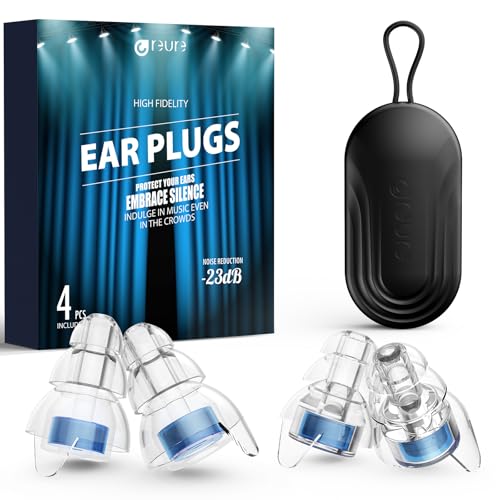
Best for listeners and performers who want balanced sound with a noticeable yet comfortable reduction. These 23 dB silicone earplugs maintain multiple frequency bands evenly, avoiding the muffled effect common with foam plugs. They’re designed to be eco-friendly and reusable, making them a long-term option for frequent gigs or practice sessions.
Who it’s best for: Drummers who value clear vocals and instrument detail while reducing fatigue and risk of noise-induced hearing loss.
Limitations: Slightly less attenuation than higher-dB earmuffs in extremely loud environments; best used where you still need situational awareness on stage.
Eargasm High Fidelity Ear Plugs

Best for performers who want high fidelity with two interchangeable shell sizes for a customized fit. These plugs reduce noise up to 21 dB while preserving crisp sound across vocals, bass, and instruments. The dual-size design helps achieve a secure seal, which is important for drummers who move a lot on stage or in rehearsal spaces.
Who it’s best for: Drummers who require consistent stage monitoring and want to minimize ear fatigue during extended sets.
Limitations: Slight risk of fit drift if shells aren’t seated correctly; ensure you choose the right shell size for your ear shape.
Vic Firth DB23 Ear Protection Earmuffs
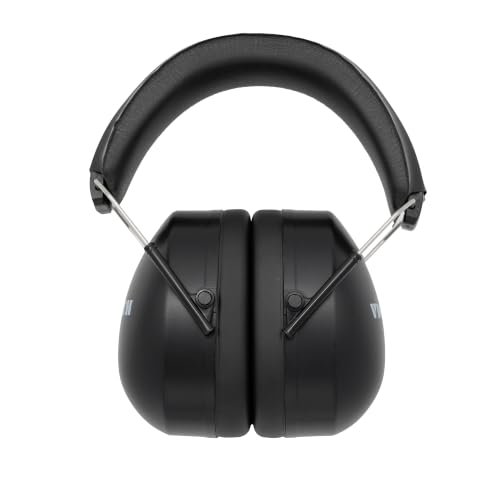
Best for drummers who want strong, compact protection with added headset practicality. The DB23 earmuffs deliver a solid 25 dB noise reduction and include a 3.5mm stereo plug with a 1/4″ adapter, enabling connection to other audio equipment. They feature a padded headband and a snug, adjustable fit suitable for long practice sessions and can be used with glasses with minimal leakage.
Who it’s best for: Drummers needing reliable protection without bulky gear, especially when moving between practice spaces or small venues.
Limitations: Not as discreet as in-ear plugs in very tight stage setups; best used when you can wear over-ear protection comfortably.
ProCase NRR 28dB Ear Muffs

Best for all-around loud environments, including studio and stage. ProCase earmuffs deliver a solid 28 dB noise reduction, with ANSI S3.19 (US) certification. They fold for portability and have an adjustable headband with a padded feel to reduce fatigue during long wear. Suitable for drummers who need dependable protection at rehearsals and gigs alike.
Who it’s best for: Drummers who want a foldable, travel-friendly option with consistent protection across various noise sources.
Limitations: Slightly bulkier than some in-ear solutions, which might affect fit under certain stage gear or hats.
Buying Guide: How To Choose The Right Hearing Protection For Drummers
- Protection vs. fidelity: In-ear plugs like Hearprotek and Reure favor sound fidelity with lower attenuation (20–23 dB). Earmuffs like Vic Firth DB23 and ProCase provide higher attenuation (25–28 dB) but can be bulkier. Choose based on how well you need to hear drums and cues on stage.
- Fit and comfort: Long sessions demand a secure fit and comfortable materials. Silicone plugs with ergonomic shapes reduce irritation, while plush headbands on earmuffs lessen pressure.
- Portability: Foldable earmuffs (ProCase) are easy to carry, while in-ear options travel compactly in small cases. Consider your gig bag or backpack space.
- Compatibility: Some earmuffs include audio passthrough options (like 3.5mm/1/4″ adapters) for monitoring or performances. This is helpful if you need to hear the main mix with protection on.
- Durability and reuse: Reusable silicone plugs reduce waste and can last years with proper care. Foam-based options tend to degrade faster and may not be ideal for repeated use in sweaty environments.
- Maintenance: In-ear plugs require cleaning and drying between uses. Earmuffs should be stored in protective cases to maintain seal and foam integrity.
- Environment and use case: For noisy venues with quick movements, select snug-in-ear plugs for accuracy and comfort. For sound-centric sessions or when monitoring is essential, consider higher attenuation earmuffs that still feel lightweight.
FAQ
- What dB level is best for drummers? A range of 20–28 dB attenuation covers most loud rehearsal environments. In-ear high-fidelity plugs are good for maintaining clarity, while earmuffs with higher dB protection are better in very loud settings.
- Are reusable earplugs better than disposable ones? Yes, reusable silicone plugs are more durable and eco-friendly, and can preserve sound quality when cleaned properly.
- Can I wear these with ear monitors or headphones? In-ear plugs are typically worn under in-ear monitors; earmuffs may not fit well with over-ear monitor setups. Check for compatibility with your gear.
- How do I know which size is right for me? Look for sets offering multiple sizes (small/standard) or adjustable ear cups. A proper seal improves protection and sound quality.
- Will protection affect stage communication? High-fidelity plugs reduce overall volume but preserve frequency balance, helping you hear cues and talk with bandmates more clearly than traditional foam plugs.
- How should I care for silicone ear plugs? Wash with mild soap and water, dry completely, and store in a protective case to extend life.