Answering the need for reliable, high-capacity mobility aids, this guide highlights five heavy-duty wheelchairs designed to support up to 500 pounds. Each model offers distinct strengths—ranging from extra-wide seating and easy transfers to foldable frames and elevated leg rests. This overview helps buyers choose the best fit based on space, transfer needs, and daily usage. Ideal buyers include caregivers seeking versatile transport chairs for home care, seniors needing extra room, and bariatric users requiring robust construction. Below is a quick summary of the selected products to compare at a glance.
| Product | Seat Width | Best For | |
|---|---|---|---|
| Medline Excel Extra-Wide | 24″ | Highest space per user | Removable desk-length arms; swing-away footrests |
| Medline Heavy Duty Transport Chair | 22″ x 18″ | Occasional caregiver-assisted transport | Breathable nylon upholstery; removable arms |
| Medline Extra-Wide 22″ Seat | 22″ x 18″ | Budget-friendly wide seating | Removable desk-length arms; elevating footrests |
| ProHeal K7 Heavy-Duty | 22″ Seat Width | Durability and comfort | Elevated leg rests; removable padded armrests |
| VIPLAND 500lbs Electric Wheelchair | 20″ Seat | All-day power and travel | Carbon fiber, foldable, 25-mile range |
Medline Excel Extra-Wide Bariatric Wheelchair

Best for maximum space: This wheelchair features a generous 24″ wide seat and 18″ depth, ideal for users who require ample room. The design supports easy side transfers with removable desk-length arms, and swing-away footrests aid entry and exit.
Why selected: The wide seating plus adjustable, folding components accommodate diverse body shapes while maintaining a straightforward transfer flow. Best for home care scenarios requiring frequent repositioning.
Limitations: Extra width may limit doorway compatibility in compact spaces. Confirm doorway clearance before purchase.
Medline Heavy Duty Transport Chair

Best for caregivers on the go: A 22″W x 18″D seat with breathable nylon upholstery provides comfort during transport sessions. It features a sturdy steel frame that supports up to 500 lbs and includes removable desk-length arms and swing-away footrests for easy transfers.
Why selected: Designed for frequent movement, this chair balances durability with practicality for caregivers and facility use. Entry and transfer are simplified by adjustable components.
Caution: While portable, the chair is built for stability rather than rugged outdoor use; consider indoor or paved paths for best performance.
Medline Extra-Wide Bariatric Wheelchair (22″ Seat)

Best value with solid features: This model offers a 22″W x 18″D seat with removable desk-length arms and elevating footrests. It’s a practical pick for users needing extra width without a premium price tag.
Why selected: Elevating footrests and simple transfer aids suit daily routines and caregiver-assisted activities. The design emphasizes comfort alongside practical adjustability.
Caution: Ensure the doors and entryways in the home can accommodate the chair’s width, especially in tight spaces.
VIPLAND 500lbs Electric Wheelchair
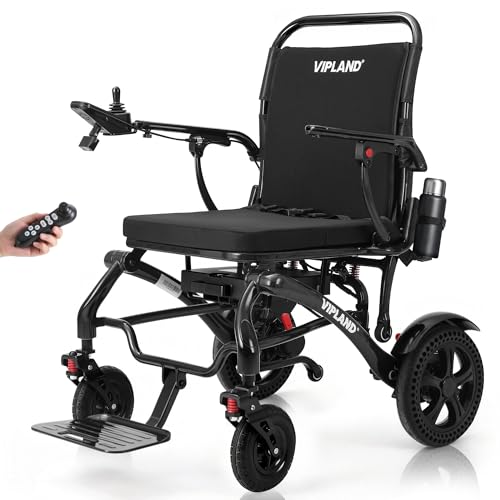
Best for power-assisted mobility: This carbon fiber electric wheelchair supports up to 500 lbs and weighs about 41 pounds, with a foldable design for easy transport. It offers a 20″ seat and a 25-mile range, making it suitable for longer outings.
Why selected: The combination of lightweight construction, foldability, and long-range battery makes it a strong option for daily use and travel beyond the home.
Caution: The 20″ seat may feel snug for larger users; verify seat width against personal measurements and comfort needs.
Buying Guide: Key Considerations For Choosing A 500 lb Capacity Wheelchair
What to assess before buying a heavy-duty wheelchair?
- Weight capacity and user measurements: Ensure the chair’s rated limit comfortably exceeds the user’s actual weight, plus any accessories or cushions.
- Seat width and depth: Wider seats improve comfort but may affect doorway access. Match seat dimensions to the user’s hip width and leg length.
- Transfers and arms: Removable arms and desk-length arms simplify transfers. Consider whether elevating leg rests are needed for comfort or medical needs.
- Footrests: Decide between swing-away versus fixed footrests and whether elevating leg rests are necessary for blood circulation and leg comfort.
- Frame material and durability: Steel frames offer strength; look for urethane or pneumatic wheels for smoother rides and durability.
- Mobility type: Manual versus power-assisted. Consider daily usage, travel needs, and caregiver involvement when choosing.
- Portability: Weight and foldability impact ease of storage and transport. Electric models may add weight but increase independence.
- Doorways and space: Measure entryways to ensure the chair can pass through without difficulty, especially for 27″ wide frames.
Frequently Asked Questions
- What is the maximum weight capacity for these wheelchairs? Most models shown support up to 500 pounds.
- Are all these wheelchairs foldable? Several are foldable or easily disassembled for transport, including some with swing-away footrests.
- Do these chairs require assembly? Some models arrive ready-to-use; others may need minor setup such as footrests or armrests.
- Can I use these chairs with doorways of standard width? Check each model’s width; some 27″ frames may not fit through narrow doors.
- What is the difference between a transport chair and a heavy-duty wheelchair? Transport chairs are typically lighter and easier to lift for brief transfers, while heavy-duty wheelchairs emphasize higher weight capacity and durability for frequent use.
- Do any include elevating leg rests? Yes, several models include elevating leg rests or adjustable footrests for comfort and accessibility.