Finding effective cold therapy for shin splints and related calf pain is essential for faster recovery. This guide highlights five top ice packs that target shin, calf, and leg areas with flexible fits, durable construction, and reliable cold or hot therapy. The right choice depends on your activity level, comfort preferences, and whether you want adjustable straps, slip-on sleeves, or full-coverage wraps. The products below are suited for runners, athletes, and people recovering from leg injuries or soreness after workouts.
Product summary at a glance. The following table compares key features to help quick decisions.
| Product | Best For | Cooling Method | Coverage |
|---|---|---|---|
| Shin Splint Ice Packs, Fittest Pro | Active runners seeking reusable hot/cold therapy | Gel-based, reusable | Leg and calf coverage with adjustable straps |
| SuzziPad 360° Cold Pack | Full-coverage cooling around shin, calf, or arm | Gel-filled, dual-cover design | 360° wrap |
| Comfytemp Calf Shin Splint Ice Packs | Wide-area coverage for calves and shins | Gel-based, hot & cold | Very large coverage area |
| BODYPROX Shin Splint Ice Pack 2 Pack | On-the-go relief with adjustable straps | Cold therapy, can be used hot | Lower leg with strap design |
| ComfiTECH Shin Splint Wraps | Hands-free, long-lasting cooling | Dual-gel, extended cooling | Full leg coverage with sleeves |
Shin Splint Ice Packs, Fittest Pro
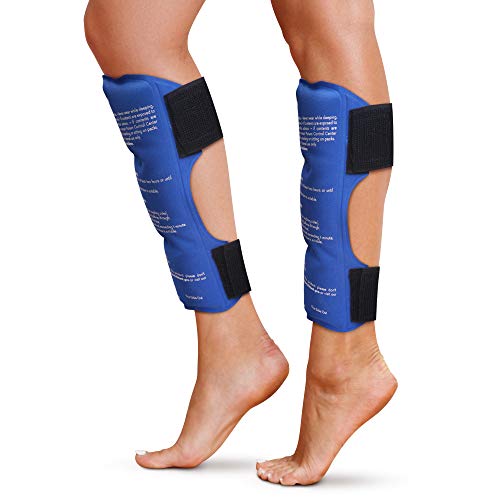
The Fittest Pro Shin Splint Ice Packs provide flexible compression with adjustable elastic straps for a secure fit on the calf and shin. This reusable gel-based pack can be frozen for cold therapy or microwaved for heat therapy, giving users a versatile option for post-exercise recovery or acute injuries. Best for athletes who want a compact, wrap-around solution that stays in place during activity.
Who it’s best for: runners and cross-trainers who need dependable on-leg cooling with adjustable fit. Why selected: elastic straps and soft gel design reduce skin stiffness and distribute cold evenly. Limitation: as a gel pack, gel distribution matters—avoid using on very sensitive skin if cold intensity is too high.
SuzziPad 360° Cold Pack
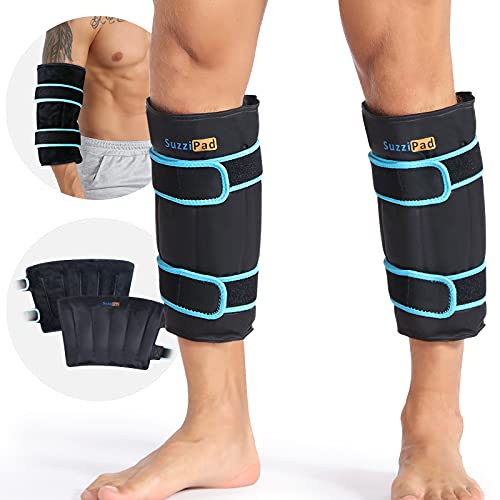
The SuzziPad offers 360° cooling around the shin, calf, arm, or elbow with a dual-cover design for customizable comfort. The plush side delivers a gentler chill, while the nylon side provides a more intense cooling, all held in place by two Velcro straps. Best for users who want thorough coverage without constriction and the ability to adjust cooling strength.
Who it’s best for: athletes needing uniform cooling across a limb with flexible cover options. Why selected: dual-cover design and secure straps minimize shifting. Caution: the wrap may feel bulky under looser clothing during high activity.
Comfytemp Calf Shin Splint Ice Packs

Comfytemp emphasizes wide coverage with up to 26.8 inches circumference capacity, making it suitable for larger calves or multiple body areas. It highlights an ergonomic point design to distribute gel evenly, reduce slippage, and maximize comfort. Best for those seeking large-area cold or heat therapy with a snug, low-slip fit.
Who it’s best for: people needing extensive coverage on calves, shins, and related areas after workouts. Why selected: oversized coverage minimizes gaps and targets swelling at the source. Limitation: requires longer setup time to secure a full-wrap fit on very muscular legs.
BODYPROX Shin Splint Ice Pack 2 Pack
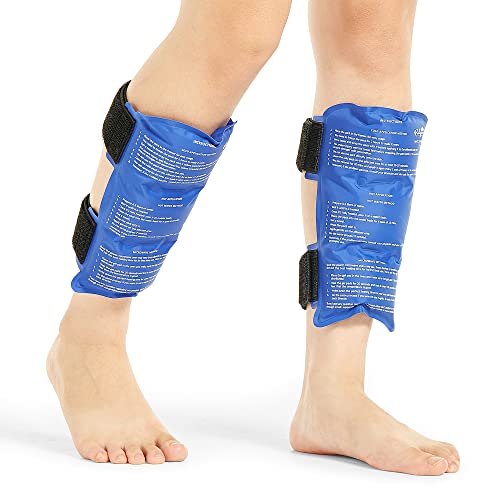
Bodyprox’s two-pack set focuses on on-the-go relief with a hook-and-loop strap design that secures cold therapy to the lower leg. It emphasizes portability and easy application without needing to hold the packs in place. Best for users who want hands-free icing during activity or travel. Limitation: some users may prefer adjustable compression beyond the provided strap options.
ComfiTECH Shin Splint Ice Pack Wraps

ComfiTECH offers a hands-free, slip-on sleeve design that eliminates the need for straps. Dual-gel packs provide longer cooling, with a full-coverage wrap suitable for calves, shins, knees, and elbows. Best for users who want easy, continuous cooling without fiddling with buckles. Limitation: may run cooler than some dual-strap wraps in high-intensity sessions.
Buying Guide: Key Considerations For Shin Splint Ice Packs
How to choose the right ice pack for shin splints involves fit, coverage, and comfort. Consider the following questions to narrow options:
- What limb areas need coverage? If you need full shin and calf coverage, a 360° or large-wrap design may be best.
- Do you prefer hands-free use? Sleeves and straps keep packs in place during activity, avoiding manual holding.
- Is versatility important? Gel packs that can be used for hot or cold therapy offer more treatment options.
- How important is customization of cooling intensity? Dual covers or detachable packs let you adjust chill levels.
- What size fits your leg best? Check circumference capacity and wrap length to prevent gaps and slipping.
Practical tips for use
- Apply cold therapy within 48 hours of injury for best swelling reduction. Alternate with warmth as advised by a clinician.
- Wraps and sleeves should be snug but not compressive to avoid restricting blood flow.
- Always use a thin layer of fabric between skin and the pack to prevent frostbite or skin irritation.
Why these options fit shin splints recovery goals
All five products are designed to target shin and calf pain with flexible application, durable materials, and reusable designs. They offer hands-free use, adjustable fit, and long-lasting cooling or heating options, which align with common recovery workflows for runners and active individuals.
FAQ: Shin Splints Ice Packs
- Q: Should I use cold or heat first after shin splints? A: Cold therapy is typically recommended in the first 24–48 hours after injury to reduce swelling, followed by heat therapy if advised by a clinician.
- Q: How long should I keep a pack on? A: Start with 15–20 minutes per session and adjust based on comfort and skin sensitivity.
- Q: Can I wear these while exercising? A: Some wraps are designed for hands-free cooling during activity; follow product guidance for use during workouts.
- Q: Are these safe for sensitive skin? A: Use a thin barrier between skin and gel packs to reduce risk of irritation or frostbite.
- Q: How often should I replace cold packs? A: Reusable gel packs should be inspected for leaks and replaced if the gel shows any signs of damage.
- Q: Which option is best for long-lasting cooling? A: Dual-gel and detachable-pack designs typically provide extended cooling without frequent refreezing.