Answering the common search for infant formula suited to acid reflux, this guide highlights hypoallergenic and gentle options designed for sensitive tummies. Best for parents seeking dairy-free or amino acid-based formulas, these picks aim to ease feeding-related discomfort while supporting growth. The featured products below are suitable for babies with cow milk protein allergies, lactose sensitivity, or other digestive concerns. The buyer-friendly table summarizes key traits to help quick comparisons.
| Product | Best For | Formulation | Notes |
|---|---|---|---|
| Pepticate Hypoallergenic Infant Formula | Babies with Cow Milk Allergy | Extensively Hydrolyzed Protein | Best tasting among hypoallergenic options; may help reduce fussiness. |
| EleCare Hypoallergenic Amino Acid Formula | Infants with Multiple Allergies or GI Conditions | Amino Acids | Complete nutrition for severe intolerance; option when other formulas fail. |
| Kabrita Goat Milk-Based Formula | Gentle Digestion for Sensitive T tummy | Goat Milk, DHA/ARA & Prebiotics | Gentle alternative to cow’s milk; non-GMO claims. |
| Neocate Syneo Infant Formula | Allergy-prone babies needing prebiotics/probiotics | Amino Acid-Based with Prebiotic Fiber & Probiotics | Supports immune factors with Syneo blend. |
| Similac 360 Total Care Sensitive | Babies with Fussiness and Gas from Lactose Sensitivity | Milk-based with 5 HMOs | Prebiotic blend closest to breast milk for sensitive tummies. |
Pepticate Hypoallergenic Infant Formula for CMA Relief

Brand: NUTRICIA PEPTICATE
- Best For: Infants with cow milk allergy seeking relief from symptoms like fussiness and eczema.
- Why Selected: It’s an extensively hydrolyzed formula, designed to reduce allergen exposure and ease digestion.
- Caution: Tasting or preference varies; parents should monitor tolerance during the initial days of use.
EleCare Hypoallergenic Amino Acid Formula

Brand: EleCare
- Best For: Infants with malabsorption issues or GI conditions needing amino acid nutrition.
- Why Selected: Uses 100% free amino acids, which helps infants who cannot tolerate intact or hydrolyzed proteins.
- Caution: Special formula; discuss medical need with a pediatrician before use as a primary nutrition source.
Kabrita Goat Milk-Based Formula for Gentle Digestion
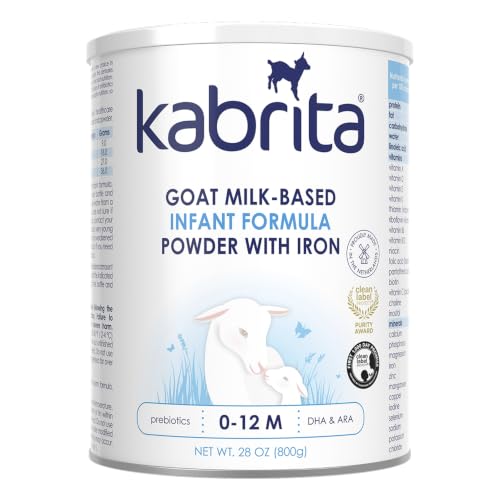
Brand: Kabrita
- Best For: Parents seeking a goat milk-based option with gentle digestion properties.
- Why Selected: Goat milk proteins form softer curds, which some babies tolerate better than cow milk proteins.
- Caution: Goat milk is not suitable for infants with diagnosed cow milk allergy who require extensively hydrolyzed or amino acid-based formulas unless advised by a clinician.
Neocate Syneo Infant With Prebiotics & Probiotics

Brand: Neocate
- Best For: Infants needing a hypoallergenic amino acid-based formula with prebiotic and probiotic support.
- Why Selected: The Syneo blend combines prebiotics and probiotics to support gut health and immune function.
- Caution: As with all amino acid-based formulas, physician guidance is important for ongoing use and growth tracking.
Similac 360 Total Care Sensitive for Fussiness

Brand: Similac
- Best For: Babies with lactose sensitivity experiencing fussiness and gas.
- Why Selected: Features a five-HMO prebiotic blend designed to mirror breast milk gut flora and aid digestion.
- Caution: It is milk-based; parents should monitor for any intolerance or symptoms suggesting alternative formulas are needed.
Additional Products Note
All listed options are designed for infants 0–12 months. When selecting a formula for acid reflux or digestive discomfort, consider whether symptoms are related to cow milk protein allergy, lactose sensitivity, or other GI concerns. A pediatrician can provide guidance on trying hypoallergenic, amino acid-based, or goat-m milk alternatives based on the baby’s medical history.
Buying Guide
What kind of formula helps acid reflux in babies?
Formulas designed to reduce reflux symptoms often focus on easy digestion and hypoallergenic properties. Options include extensively hydrolyzed formulas (partially digested proteins), amino acid-based formulas (proteins broken down into amino acids), and goat milk-based formulas. Prebiotic and probiotic blends can also help support gut health, which may influence reflux symptoms indirectly.
Hydrolyzed vs amino acid-based: what’s the difference?
Hydrolyzed formula uses proteins broken into smaller pieces. Amino acid-based formulas break proteins down into their simplest building blocks. Amino acid-based formulas are typically used for severe allergies or intolerances, whereas extensively hydrolyzed formulas may suit many babies with CMA but not all.
Is goat milk formula better for reflux?
Goat milk formulas can be easier to digest for some babies due to different protein structures. However, goat milk is not suitable for all infants with CMA. Always consult a pediatrician before switching from cow milk-based to goat milk-based formulas.
When to choose prebiotics or probiotics?
Prebiotics and probiotics in infant formulas aim to support a healthy gut microbiome. Some babies experience less fussiness or gas when these blends are present, but results vary. Look for evidence-backed blends and discuss with a pediatrician for your baby’s needs.
Important considerations
- Avoid adding solid foods too early if the baby is not ready; purees should follow age and readiness cues.
- Ensure formula preparation follows package directions precisely to avoid digestion issues.
- Monitor for signs of intolerance or allergy, such as persistent vomiting, severe eczema, or poor growth, and seek medical advice promptly.
FAQ
- Q: Which formula is most commonly recommended for acid reflux in infants? A: Many parents start with hypoallergenic or extensively hydrolyzed formulas; amino acid-based formulas are used for more severe intolerances under clinician guidance.
- Q: Can I switch formulas if reflux symptoms persist? A: Yes, but do so under pediatric guidance to avoid feeding disruption and ensure proper growth.
- Q: Do prebiotics in formula help reflux? A: They may support gut health, which can influence digestion and comfort, but results vary by baby.
- Q: Is goat milk formula suitable for CMA? A: It depends; some CMA babies tolerate goat milk, but others do not. Always consult a pediatrician.
- Q: How long should I trial a new formula before judging effectiveness? A: Many changes are evaluated over 1–2 weeks, with close growth and stool/behavior monitoring.
- Q: Are there age limitations for these formulas? A: All listed options are intended for infants 0–12 months unless otherwise specified by manufacturer.