Answering the search for insoles that help with athlete’s foot, this guide highlights options that prioritize moisture control, breathability, and supportive cushioning. The top picks are best suited for active individuals who need dry feet during workouts, runs, or daily wear. The list below compares five insoles that balance foot comfort with features designed to reduce moisture buildup and odor, helping you stay comfortable longer between changes or treatments.
| Product | Best For | Key Benefit |
|---|---|---|
| Sof Sole Athlete Performance Insole | Runners and active athletes | Gel cushioning with moisture control for all-day comfort |
| Spenco Polysorb Cross Trainer | All-day wear, mixed activities | Odor control and targeted heel/forefoot cushioning |
| EASYFEET Flame Boost In soles | High-intensity sports | Moisture management layer and energy return for dry, fresh feet |
| CRUVHEAL Sport Running Insoles | Running and training | Gel pads for shock absorption and secure fit to reduce moisture buildup |
| Sof Sole Women Athlete Performance | Women athletes and daily wear | Hydrologix moisture management to keep feet cool and dry |
Sof Sole Athlete Performance Insole
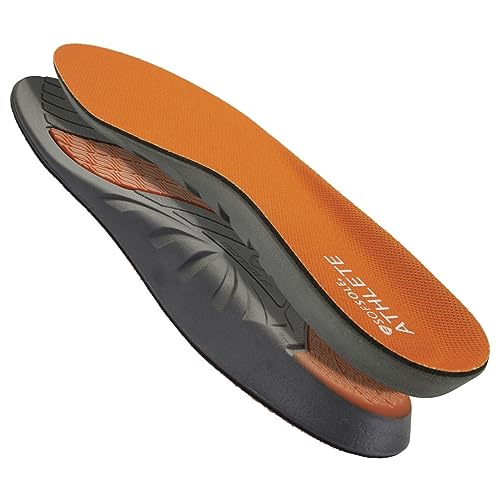
Best for runners and athletes who want a lightweight, cushioned insole with moisture control. Gel in the heel and forefoot absorbs impact for shock protection, while foam cushions from heel to toe to protect joints during activity. This combination supports long sessions on the track, trail, or gym without adding weight to footwear.
Why chosen: The integrated gel and foam system targets high-activity foot strikes, which can contribute to sweaty feet during workouts. Caution: Gel pads may compress with long-term use in some footwear, potentially diminishing initial feel over time.
EASYFEET Running & Sport Insoles

Best for athletes engaged in diverse activities—cross-training, running, and gym sessions. The Flame Boost design emphasizes high energy return and improved airflow through a special moisture-management layer that helps feet stay dry and comfortable during intense workouts. The anatomical shape with a flexible arch supports stability and balance.
Why chosen: The moisture management layer is a practical feature for foot hygiene, helping reduce the damp conditions that promote athlete’s foot. Caution: Advanced arch support is medium-low; those needing higher arches might prefer a different model.
CRUVHEAL Sport Running Insoles

Best for runners and gym-goers who want shock absorption and a secure fit. Gel pads soften impact, while a deep curved heel cup and non-slip gel pads help keep the insoles in place during fast moves, reducing moisture concentration in hotspots.
Why chosen: Secure fit minimizes friction and rubbing, which can aggravate foot irritation. Caution: Gel pads may feel firmer in hot climates; consider removing if you require a lighter feel.
Sof Sole Women Athlete Performance Insole

Best for women seeking neutral arch support with moisture management. Gel pads cushion the heel and forefoot, while Hydrologix moisture management helps keep feet cool and dry during activity or daily wear.
Why chosen: The moisture treatment is aligned with athlete’s foot prevention by reducing dampness. Caution: The neutral arch may not fit those with high arches needing more support.
Superfeet Sport Ultralight Insoles

Best for athletes needing lightweight, responsive cushioning with arch support. The EVOLyte carbon fiber cap provides strong yet light stabilization, and the contoured arch helps promote natural foot alignment, which can aid overall comfort during runs and drills.
Why chosen: Lightweight construction helps keep moisture-prone feet cooler. Caution: Some users may prefer more pronounced arch support for long-distance activities.
Buying Guide: How To Choose Insoles For Athlete’s Foot
- Moisture management: Look for insoles with moisture-wicking layers, antimicrobial properties, or ventilation channels to reduce dampness and odor.
- Arch support and fit: Choose an insole with an arch height and shape that matches your foot type (low, neutral, or high arches) to prevent slipping and friction that can worsen foot conditions.
- Shock absorption: If you run or stand for long periods, select cushions with gel or foam that soften impacts and protect joints.
- Material durability: For active use, prioritize durable foam, gel, or carbon-based supports that maintain their shape and moisture control after repeated wear.
- Activity type: For runners, prioritize cushioning and stability; for cross-training, favor versatile insoles with good motion control and odor management.
- footwear compatibility: Ensure the insole thickness fits comfortably in your shoes, especially if you wear athletic sneakers or dress shoes.
FAQ
- Do insoles help with athlete’s foot symptoms? Yes, insoles with moisture-wicking and odor-control features can reduce dampness and odor, which may lessen irritation and promote a drier foot environment between treatments.
- What should I look for if I have athlete’s foot? Focus on moisture management, breathable materials, and a snug but comfortable fit to minimize damp areas where fungi thrive.
- Are gel insoles better for moisture than foam? Gel insoles provide cushioning and can help with moisture distribution, but foam insoles often offer breathable layers that aid in dryness; the best choice depends on your activity and foot type.
- Can insoles replace antifungal treatment? Insoles complement treatment by improving dryness and comfort, but they do not replace prescribed antifungal medications or medical advice.
- How often should insoles be replaced? Replace insoles when they lose cushioning, show signs of wear, or no longer provide effective moisture control, typically every 6–12 months depending on use.
- Are there downsides to insoles for athlete’s foot? Some insoles may feel bulkier or alter shoe fit; try different models and sizes to find the best balance between dryness and comfort.