If you’re searching for an effective light box to combat Seasonal Affective Disorder (SAD), you’ve found a practical shortlist. These 5 lamps are selected for safe, UV-free operation, up to 12,000 lux brightness, and portability for home or office use. This guide helps you compare suitability for morning routine, workdays, shifts, and travel. The top picks target mood elevation, better sleep, and increased daytime energy—essential for SAD management and daylight deprivation in American winters.
| Product | Best For | Lux | Key Benefit |
|---|---|---|---|
| Verilux HappyLight Lucent | Easy daily use, beginners | 10,000 | One-button, portable, UV-free |
| Verilux HappyLight Luxe | Customizable mood and focus | 10,000 | Adjustable brightness and color temp |
| Carex Day-Light Classic Plus | Home therapy with flexible angle | 10,000 | Longstanding Mayo Clinic-inspired design |
| SUXIO Light Therapy Lamp (12,000 Lux) | Power users, high brightness | 12,000 | 4 brightness levels, 3 timers |
| Theralite Aura Bright | Focused therapy with adjustable angle | 10,000 | 4 light settings for flexibility |
Verilux HappyLight Lucent — One-Touch Light Therapy Lamp
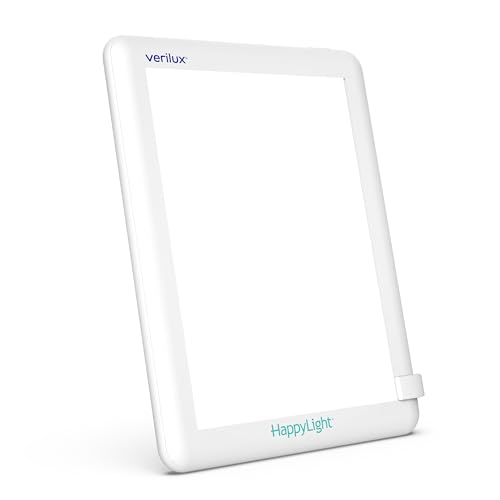
Best for first-time users and everyday urban dwellers. The HappyLight Lucent delivers up to 10,000 lux of UV-free LED light with a simple one-button operation. Its slim, portable design and detachable stand make it ideal for mornings at home or hotel workdays. The light is designed to minimize glare, flicker, and hotspots, providing a safe, natural-feeling boost to mood, sleep quality, and daytime energy. Suitable for adults who want a straightforward routine without setup hassles.
Best use case: insert into a morning routine to jumpstart wakefulness and stabilize circadian rhythms. Caution: not recommended for extended close exposure; follow recommended daily duration to avoid overstimulation.
SUXIO Light Therapy Lamp — 10000 Lux, 3 Modes, Memory Function

Best for users who want adjustable brightness and memory recall. This lamp offers three brightness modes up to 10,000 lux with a memory function that returns to the last used setting, plus 30/60/90 minute timers. The ultra-slim design and USB power make it suitable for desk use at home or in the office. Choose this if you value quick startup, repeatable sessions, and frequent changes in lighting needs.
Limitation: while portable, it relies on USB power; adapters are not included, so plan for a power source in travel scenarios.
SUXIO Light Therapy Lamp — 10000 Lux, 3 Timer & 4 Brightness

Best for budget-conscious shoppers who still want strong daytime light. This lamp provides three brightness levels and 30/60/90 minute timers, with 4 brightness settings to tailor sessions to mood and energy needs. It’s a practical option for home offices or bedrooms where daily mood and focus gains are a priority. Caution: longer exposure or higher brightness may not be ideal for sensitive eyes in the early morning.
Verilux HappyLight Luxe — Adjustable Brightness & Color

Best for users who want a personalized lighting experience. The Luxe provides up to 10,000 lux with four brightness levels and three color temperatures. It also includes a programmable countdown timer up to an hour, plus the option to mount on a wall or use the detachable stand. This option supports more nuanced therapy, helping users tailor light to circadian goals or specific tasks, such as reading or working in the morning. Limit: higher up-front cost relative to simpler models.
Carex Day-Light Classic Plus Sunlight Therapy Lamp

Best for users seeking Mayo Clinic-endorsed design and durable build. The Day-Light Classic Plus offers the full 10,000 lux at 12 inches, with a glare-free screen and adjustable angle stand for precise positioning. It’s well-suited for longer therapy sessions and home use where user comfort and session customization matter. A potential limitation is its larger footprint compared to ultra-slim models, which may be a factor in small spaces.
Buying Guide
What to consider when choosing a SAD light box
- Brightness and distance: Most effective SAD lamps deliver up to 10,000 lux at a comfortable viewing distance. Consider how the distance between your eyes and the lamp affects exposure time.
- UV exposure: Look for UV-free LED lights to protect eyes and skin while delivering therapeutic brightness.
- Portability and size: If you plan to travel or move the lamp between rooms, consider slim profiles or portable stands.
- Color temperature and settings: Adjustable brightness and color temperature can help tailor therapy to morning routines or work tasks.
- Timers and memory: Timers allow consistent durations; memory functions help you resume prior settings quickly.
- Mounting options: Wall-mountable lamps or detachable stands offer flexible placement in desks, dressers, or countertops.
How to use a light therapy box effectively
- Use daily, especially during darker months, but follow device guidelines for maximum recommended exposure.
- Place the light at eye level and slightly to the side, not directly into your eyes.
- Consistency matters: routine use at the same time each day tends to support better circadian alignment.
FAQ
- What is a light box used for? Answer: Light boxes provide bright, UV-free light intended to simulate sunlight, supporting mood, energy, and sleep in people with Seasonal Affective Disorder or winter blues.
- How long should I use a light therapy lamp each day? Answer: Typical sessions range from 15 to 60 minutes depending on lux and personal sensitivity; follow manufacturer guidance for the specific model.
- Is a higher lux always better? Answer: Higher lux can reduce exposure time, but some people prefer moderate brightness for longer sessions to minimize glare and eye strain.
- Can I use a light box while watching TV or eating breakfast? Answer: Yes, many people use it during morning routines; ensure the light is at a safe angle and not directly in your eyes.
- Are these lamps safe for seniors or people with eye conditions? Answer: Most UV-free lamps are safe for general use; consult with a healthcare professional if there are preexisting eye conditions or photosensitivity concerns.
- Do these devices require a warranty? Answer: Warranty terms vary by model; check the product listing for details.