If you’re battling neck pain, a low-profile pillow can help maintain a neutral spine and reduce waking stiffness. The best options below target stomach and back sleepers, who often benefit most from 2.5–2.75 inch loft levels. These picks emphasize low height, good support, and breathable materials to minimize heat buildup overnight. The right choice depends on your sleeping position, neck sensitivity, and preferred pillow feel.
| Product | Best For | Why It Stands Out |
|---|---|---|
| Bluewave Bedding Ultra Slim Gel Memory Foam Pillow | Stomach and back sleepers seeking neck alignment | 2.75″ height with high-density foam and gel cooling; CertiPUR-US certified |
| SMDR Ultra Slim Ergonomic Memory Foam Cervical Pillow | All sleep styles needing precise neck support | 2″–0.8″ contour; central groove for stable cervical alignment |
| CloudBliss Thin Pillow 2.75” | Low-profile lovers who want breathable fabric | Ultra-slim, breathable cover, OEKO-TEX memory foam |
| Iwacool Thin Pillow for Sleeping | Cool sleepers who favor cooling memory foam | 2.25″ low height; cooling surface with dual-sided fabric |
| Pozino Flat Thin Pillow | Budget-friendly low-pillow option for multiple sleepers | 2.5″ height; no-shift design; lightweight and breathable |
Note: Each product below targets neck comfort with low loft, but performance may vary by body shape and sleep style. Consider trying a pillow with adjustable loft or a removable insert if available.
Bluewave Bedding Ultra Slim Gel Memory Foam Pillow
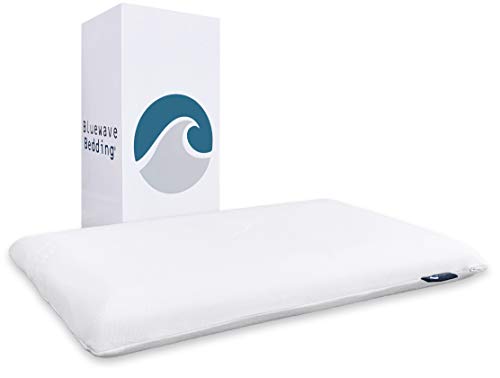
This pillow is designed for stomach and back sleepers who need a low height to maintain spine alignment. At 2.75 inches, it reduces neck tilt while offering a cushioned cradle. The high-density memory foam provides shape retention, so it won’t flatten quickly. Gel infusion targets heat buildup, helping you stay cool through the night. Best for those who want a durable, supportive pillow without excessive height.
Best for: Stomach and back sleepers who prioritize neck alignment and cooling. Choose this if you want a firmer feel from a memory-foam core that resists flattening. Avoid this if you predominantly sleep on the side, where a higher loft is often beneficial.
Caution: Memory foam can trap heat for ultra-sensitive sleepers; the cooling gel helps but may still feel warm for very hot environments.
SMDR Ultra Slim Ergonomic Memory Foam Cervical Pillow
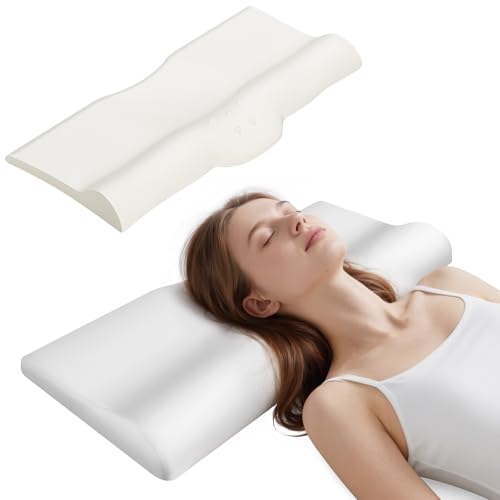
This pillow features a 2″–0.8″ high-low contour aimed at maintaining a neutral spinal position for all sleep styles. The central groove gently cradles the head, promoting stable neck support and easier breathing. Its slow-rebound memory foam provides a steady, soft feel that resists overnight sagging. It’s a strong option for sleepers who need targeted cervical support without added height.
Best for: Sleepers seeking precise neck support and a contour that adapts to movement. Choose this if you want a defined neck groove to guide alignment. Better for: Those who want a pillow that stays consistent over time. Caution: The ultra-thin edge may feel less supportive for larger-framed individuals who require more elevation.
CloudBliss Thin Pillow 2.75”

CloudBliss uses a 2.75-inch profile designed to preserve spinal alignment while remaining breathable. The pillow employs high-molecular PE pillowcases and premium memory foam with OEKO-TEX certification. The result is a cooler, comfortable night with a soft yet supportive feel. It suits sleepers who want a low-profile option that still provides consistent support night after night.
Best for: Those who want a breathable, cooling low-pillow experience. Choose this if you prefer a memory-foam core with a soft, temperature-regulating cover. Caution: The foam’s softer feel may be less supportive for heavier necks or those who require sharper edge support.
Iwacool Thin Pillow for Sleeping

This low-height pillow uses cooling memory foam with a two-sided fabric cover: silky ice on one side and soft rayon on the other. The 2.25-inch height makes it suitable for back and stomach sleepers who want to maintain a horizontal spine line. Ventilation holes and breathable fabric help reduce heat and moisture buildup during the night.
Best for: Heat-sensitive sleepers who want a cool-touch pillow with a very low loft. Choose this if you prefer a reversible cover for temperature adjustment. Caution: Not ideal for most side sleepers who typically need more loft for shoulder clearance.
Pozino Flat Thin Pillow

Pozino’s flat pillow packs a 2.5-inch height designed for low-pillow enthusiasts. It emphasizes no-shift construction and lightweight polyester fabric to promote airflow, making it a simple, budget-friendly choice for stomach and back sleepers who want a slim profile that stays in place. It’s a practical entry point for those trying a thinner pillow without committing to premium foam.
Best for: Budget-conscious buyers who want a straightforward, low-loft option. Choose this if you’re trying a thin pillow for the first time. Caution: The filling may feel less conforming than memory foam; side sleepers may still need more loft for shoulder clearance.
Buying Guide: How to Pick the Right Low Pillow for Neck Pain
What height do you need? Most neck-pain sufferers benefit from pillows in the 2.25–2.75 inch range. If you’re a strict stomach sleeper, a lower loft helps keep the neck aligned with the spine. Back sleepers often benefit from a slightly higher feel to fill the gap behind the neck without tilting the head forward.
Which fill matters? Memory foam maintains shape and can cradle the neck, reducing pressure points. Gel-infused options help with cooling. If you’re sensitive to heat, prioritize breathable covers and ventilation features.
Profile and contour: A pillow with a shallow contour or a central groove can support the cervical curve and guide the head toward neutral alignment. For some, a truly flat pillow performs best; for others, a slight contour improves comfort during movement.
Cover and fabric: Breathable, moisture-wicking fabrics improve comfort in warmer environments. OEKO-TEX or CertiPUR-US certifications provide assurance about materials and safety.
Sleeping position: Stomach sleepers typically require the lowest loft; back sleepers may tolerate a slightly higher, contoured pillow; side sleepers usually need more loft to clear the shoulder. If you switch positions at night, a flexible, medium-density pillow can help.
Durability and care: Look for denser foams that resist flattening. Removable, washable covers simplify care and help hygiene over time.
Frequently Asked Questions
- How low should a pillow be for neck pain? Most effective low pillows are in the 2.25–2.75 inch range, depending on your weight, head position, and sleeping style.
- Is memory foam better than down for neck support? Memory foam tends to hold the neck in place longer and resists flattening, which can be beneficial for chronic neck discomfort. Down is softer but may require fluffing to maintain support.
- Can a pillow be too low? Yes. If a pillow is too low, it can cause the head to tilt backward, increasing neck strain. The right loft should align the head with the spine in a neutral posture.
- Should neck pain influence pillow selection? Yes. Choose a pillow that supports the cervical curve and reduces pressure on the neck. Contoured or ergonomic designs can be especially helpful for ongoing discomfort.
- Are cooling features important for neck pain pillows? Cooling can improve sleep quality by reducing night-time heat buildup, which helps you stay comfortable and reduces tossing and turning.
- Is it okay to stack pillows to reach the right height? Stacking can work temporarily, but it may compromise alignment. A single properly sized low-loft pillow is usually preferable.
All products listed are designed to support neck alignment with a low profile. When choosing, align the pillow height with your primary sleeping position, comfort preference, and any specific neck concerns. This approach helps improve sleep quality while reducing neck stiffness upon waking.