When selecting wound patches, choose options that seal moisture balance, protect against contamination, and stay securely in place during daily activities. This guide highlights five practical patches ideal for common injuries, from minor cuts to larger scrapes, with clear reasons for each pick and who will benefit most. Suitable buyers include busy households, active individuals, caregivers, and anyone seeking simple, reliable dressings for home first-aid kits.
| Product | Best For | Why It Stands Out |
|---|---|---|
| Healqu Island Dressing | Everyday household wounds | Breathable, non-sticky island design that protects fresh wounds while allowing faster healing. |
| Dimora Wound Dressing Sacrum Foam | Bedsores and larger, flat areas | 5-layer structure with hypoallergenic silicone for gentle adhesion and a waterproof, breathable barrier. |
| YHOVID Transparent Film Dressing 4″ x 4.75″ | Showering, swimming, high-activity skin | Transparent, waterproof, hypoallergenic film that’s easy to observe and reapply. |
| Care Science Fabric Adhesive Pad Bandages | Major wounds needing extra coverage | Extra-large, breathable fabric with infection-fighting properties and secure adhesion. |
| Dimora Hydrocolloid 20 Pack | Moist wound healing and moderate exudate | Hydrocolloid patch forms a protective gel for moist healing and flexible placement. |
HEALQU Island Dressing – 4″x4″ (30 Count)
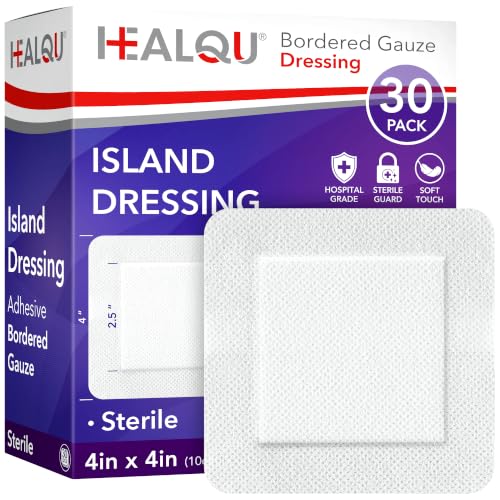
Product: HEALQU Island Dressing by Healqu. Size: 4″x4″. Type: Bordered gauze island dressings, sterile, individually wrapped. Features a water-resistant, non-woven backing and a breathable design. The dressing sticks around the edges, not in the center, reducing the chance it adheres to the wound itself, which can minimize pain during removal. Best for: quick, daily wound care and household first aid. Limitation: adhesive around the edges may require careful application to ensure the center area does not contact the wound itself.
Dimora Wound Dressing Sacrum Foam Bandages
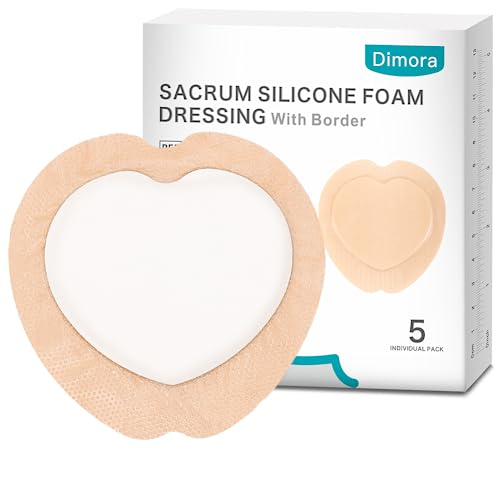
Product: Dimora Sacrum Foam Bandages. Size: 7.08″x7.08″. Type: Wound dressing with silicone adhesive border. Features five layers for absorbing fluids while maintaining a healthy moist environment. Best for: sacral or flat-area wounds, bedsores, and areas requiring gentle, secure adherence. Limitation: larger size may be less practical for very small wounds or joints requiring high flexibility.
YHOVID 80 Packs Transparent Film Dressing

Product: YHOVID Transparent Film Dressing. Size: 2.375″ x 2.75″. Type: Waterproof transparent film dressings. Features breathe-through polyurethane film, pre-cut design, and latex-free composition. Best for: small wounds, tattoos aftercare, and active lifestyles where monitoring the wound site is important. Limitation: may not be suitable for very heavy exudate due to its thin film design.
Care Science Fabric Adhesive Pad Bandages

Product: Care Science Fabric Adhesive Pad Bandages. Size: 3×4 inches. Type: Extra-large, non-stick fabric pads with antimicrobial or cleansing properties. Best for: larger minor wounds, scrapes, and burns that require extended coverage. Limitation: may not adhere as securely on very damp skin or over hair without proper surface preparation.
Dimora 20 Pack Hydrocolloid Wound Dressing

Product: Dimora Hydrocolloid Wound Dressing. Size: 4″ x 4″. Type: Self-adhesive hydrocolloid patch. Mechanism: forms a cohesive gel when in contact with wound exudate to maintain a moist healing environment. Best for: moderate exudate wounds, blisters, and minor burns where flexible fit is needed. Limitation: not ideal for heavily bleeding wounds or wounds requiring frequent dressing changes due to hydrocolloid absorption rate.
Buying Guide
What wound type should guide your choice?
For minor cuts and scrapes, bordered gauze island dressings like HEALQU offer quick application and breathable protection. For larger wounds or areas with more movement, foam dressings (Dimora Sacrum) provide secure adhesion and longer wear time. For water exposure and activities, waterproof film dressings (YHOVID) help prevent contamination while allowing observation. For sensitive skin or repeated changes, hypoallergenic films and fabric dressings reduce irritation. Hydrocolloid patches are ideal where moist healing is beneficial, especially for moderate exudate.
Adhesion, flexibility, and skin sensitivity
Adhesive performance matters more than thickness. Non-sticky centers prevent wound trauma, while hypoallergenic materials reduce irritation. Consider the wound location; joints and curved surfaces benefit from highly flexible films or thin hydrocolloid patches that move with the skin.
Moist healing vs. dry healing
Moist-healing patches (hydrocolloid, silicone-based) support tissue regeneration and can speed healing for certain wounds. Films offer breathability and visibility of the wound but may wick moisture more quickly, which can affect healing time depending on exudate levels.
Usage scenarios and longevity
For busy households, consider dressings that are easy to apply, with clear edge guidance and minimal wound sticking. For active individuals, waterproof and transparent options allow participation in daily activities while monitoring the wound site.
Care and replacement frequency
Change frequency depends on moisture, exudate, and wound type. Follow product instructions for changes, especially for bandages with active antimicrobial agents or hydrocolloid gels. Always clean and dry the surrounding skin before applying a new patch.
Summary of selected options
- HEALQU Island Dressing: Best for fast, simple protection of small wounds at home.
- Dimora Sacrum Foam: Best for larger flat areas and sensitive skin around the sacrum.
- YHOVID Transparent Film 4″ x 4.75″: Best for water activities and easy wound observation.
- Care Science Fabric Adhesive Pad: Best for larger wounds needing extensive coverage and infection control.
- Dimora Hydrocolloid 20 Pack: Best for moist healing with moderate exudate and flexible wear.
Frequently asked questions
- Q: Which patch is best for a small cut in the finger? A: A small, breathable film dressing or bordered island dressing can protect the wound while allowing visibility of healing.
- Q: Can I wear wound patches while swimming? A: Waterproof film dressings are designed for water exposure; check product specifics and ensure a secure seal to prevent leakage.
- Q: How often should I change wound patches? A: Change frequency depends on moisture and exudate. Typically daily or when wet, or as directed by the product guidelines.
- Q: Are hydrocolloid patches suitable for all wounds? A: Hydrocolloids work well for moderate exudate wounds but may not be ideal for heavily bleeding or highly infected wounds.
- Q: Can these patches cause skin irritation? A: Hypoallergenic options reduce irritation; always test on a small skin area first if you have sensitive skin.
- Q: Should I remove a patch if pain increases or the wound bleeds? A: Remove carefully, clean the area, and reapply or seek medical advice if pain or bleeding persists.