Finding reliable mobility aids can improve independence and safety for disabled individuals and caregivers alike. This guide spotlights practical devices designed to assist standing, transfers, and everyday movements at home or in care settings. Each product emphasizes stability, ease of use, and durable construction to reduce the risk of falls and injuries.
Summary of selected products
| Product | Brand | Key Benefit |
|---|---|---|
| Vive Mobility Sit to Stand Patient Lift | Vive Mobility | Robust 400 lb capacity; easy bed-to-chair transfers |
| Parabound Transfer Sling | Parabound | Comfortable, durable sling for seamless transfers |
| Vive Stand Assist | Vive | Adjustable, stable stand-up support for sofas and chairs |
| Mobility Aids Tool Device by Sangohe | Sangohe | Six-height adjustability with non-slip base and padded handles |
| NIdreamCE Transfer Belt | NIdreamCE | Versatile transfer sling with strong safety features |
Vive Mobility Sit to Stand Patient Lift

The Vive Mobility Sit to Stand patient lift is designed to assist individuals who cannot walk unaided. It supports transfers from bed to wheelchair, toilet, or sofa, reducing fall risk for both the patient and caregiver. A sturdy steel frame underpins a 400 lb capacity, making it suitable for a wide range of users. Four swivel casters enable smooth movement across different floor types, and the cushioned seat and foam-wrapped handrails provide a comfortable grip during transfers. This device serves as a practical option for home care or institutional use, supporting safer, more confident mobility assistance.
Parabound Transfer Sling For Elderly And Disabled

The Parabound transfer sling focuses on seamless mobility for both patients and caregivers. Constructed with durable Oxford cloth and soft padding, it combines tear-resistance with comfort for repeated use. The double-grip handles provide a secure hold, aided by reinforced stitching for stability during transfers. This sling is designed to ease chair-to-bed and chair-to-chair movements, helping caregivers perform transfers with reduced effort and improved safety in daily routines.
Vive Stand Assist

The Vive Stand Assist offers a practical solution for getting up from chairs, sofas, or recliners. Its dual support handles create a stable push-off point, reducing twisting and the chance of falls during standing. The adjustable aluminum frame supports up to 300 pounds and is designed for easy installation around cushion bases, making it a versatile option for various seating arrangements in living spaces.
Mobility Aids Tool Device By Sangohe
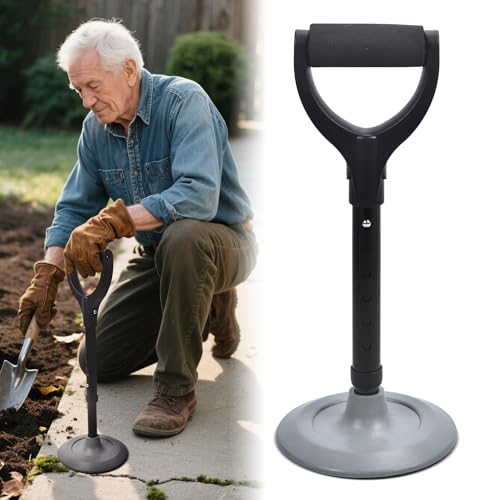
The Sangohe mobility aid emphasizes stability and comfort with a robust aluminum alloy structure and six-height adjustability. The non-slip rubber base provides traction on varied flooring, while cushioned handles reduce grip fatigue. This device is designed for standing assistance indoors and on garden paths, delivering flexible support for users with different heights and needs.
NIdreamCE Transfer Belt

NIdreamCE’s transfer belt is designed to facilitate chair and bed transfers with safety in mind. It features a sturdy build with multiple straps and connectors to secure the user during movement. The design supports safer transfers from chairs, beds, or cars, reducing caregiver strain while maintaining user stability throughout the transfer process.
Buying Guide: Key Considerations For Mobility Aids
When selecting mobility devices for disabled individuals, consider the following factors to match user needs with product capabilities:
- Intended use: Are you focusing on transfers, standing, or getting in and out of chairs? Select devices that target those tasks specifically.
- Weight capacity: Verify the maximum weight and ensure it aligns with the user’s body mass. Higher capacities offer more flexibility but may affect portability.
- Stability and safety features: Look for non-slip bases, padded grips, secure buckles or harnesses, and reinforced stitching for long-lasting safety.
- Ease of use: Consider handles, height adjustability, and whether the device can be used with common furniture and surfaces in the home.
- Portability and storage: If space is a concern, prioritize compact or foldable designs that caregivers can move between rooms.
- Durability and materials: Aluminum alloys and medical-grade fabrics typically offer better longevity and resistance to wear.
- Cleaning and maintenance: Opt for items with wipe-clean surfaces and materials that resist staining and tearing.
- User comfort: Cushioned seats, padded handles, and ergonomic designs reduce fatigue during repeated use.
- Care setting compatibility: Some devices are better suited for home use, while others perform well in nursing facilities due to build and stability.
Buying decisions should balance safety, comfort, and practicality. For caregivers, choosing versatile sling-based systems or adjustable standing aids can reduce strain and support a broader range of daily tasks. For users with limited mobility, stability-focused devices with simple operation tend to offer the most reliable independent assistance.