Muse not overcomplicate splint creation. This guide highlights moldable plastics ideal for splints, braces, and medical-ready casts. It explains who each product is best for, plus practical considerations like heat tolerance, thickness, and workability. Ideal buyers include physical therapists, DIY rehabilitation enthusiasts, cosplay makers, and hobbyists seeking reliable, form-fitting protection. Below is a quick buying table followed by detailed product insights.
| Product | Best For | |
|---|---|---|
| Chrotopic 2 Pcs Thermoplastic Splint Sheet | Professional rehab and large-surface splinting | 1/8 inch, 11.8 x 17.7 inch sheets |
| BENECREAT 2 Sheets Thermoplastic Sheet | Cosplay props and craft builds needing two sizes | 2 mm thick; two sizes: 12×4 and 12.2×6 inches |
| InstaMorph Reusable Moldable Plastic | Hobbyists, makers, cosplay, custom parts | 3 oz package; reusable, remoldable |
| Polly Plastics Heat Moldable Plastic Sheets | Cosplay, crafts, art projects | 1/16 inch thick; 8×12 inch sheets (3-pack) |
| Sukh 310G Moldable Plastic Pellets | Custom shapes, repairs, temporary fixes | 310 g pellets; meltable beads |
Chrotopic 2 Pcs Thermoplastic Splint Sheet
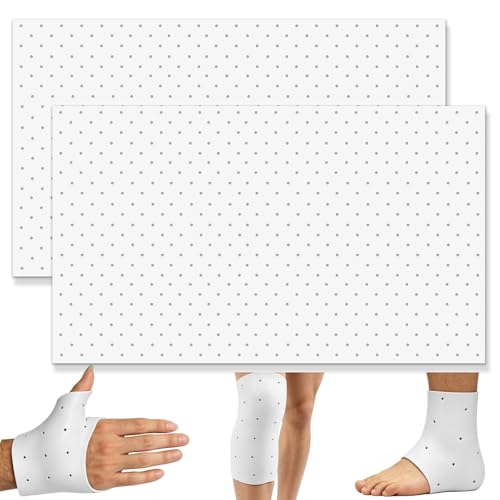
Best for professional rehab planning and large-surface splinting. The set includes two sheets measuring 11.8 x 17.7 inches each, offering ample material for customizing hand splints, braces, or fixation supports. The 1/8 inch thickness balances rigidity with moldability, making it suitable for shaping around limbs while maintaining structural integrity. The material softens in hot water and holds shape as it cools, which supports precise contouring for medical use. Consider this option if you need substantial blank material for multiple splint patterns.
Caution: Ensure proper heat handling to avoid over-softening, and verify compatibility with your clinic’s sterilization and edge-finishing standards.
BENECREAT 2 Sheets Thermoplastic Sheet

Better for cosplay props, armor, and craft projects that require two distinct sizes. The sheet set includes two pieces: one 12×4 inches and one 12.2×6 inches, both at 2 mm thickness. Made from formable plastic that resists tearing and can be shaped with heat, it’s suitable for creating rigid molds, masks, or lightweight supports. Best for users who need multiple small-to-mid-sized parts with predictable thickness. A limitation is the thinner profile compared to typical medical splint materials, which may affect load-bearing capabilities.
InstaMorph Reusable Moldable Plastic

Best for makers and hobbyists who want a lightweight, reusable option. InstaMorph is a polyester thermoplastic that acts like clay when warm and hardens into durable plastic as it cools. It’s reusable by reheating, allowing iterative shaping of custom parts, handles, or decorative elements. The material is easy to manipulate by hand or with tools, making it a strong choice for prototypes and cosplay components. Limitation: the initial heat requirement means you need access to hot water or a heat gun, and it may be clumpy if not properly reheated.
Polly Plastics Heat Moldable Plastic Sheets

Best for cosplay, crafts, and art projects that benefit from sheet form. The three-sheet pack measures 8″ x 12″ each with a thickness of 1/16 inch, offering flexible forming around contours when heated above 150°F. Sheets are paintable and allow straightforward shaping with hands or tools. This option is ideal when you want ready-made, consistent sheet shapes for quick builds. Limitation: thinner material may be less suitable for high-load splinting tasks compared to thicker forms.
Sukh 310G Moldable Plastic Pellets
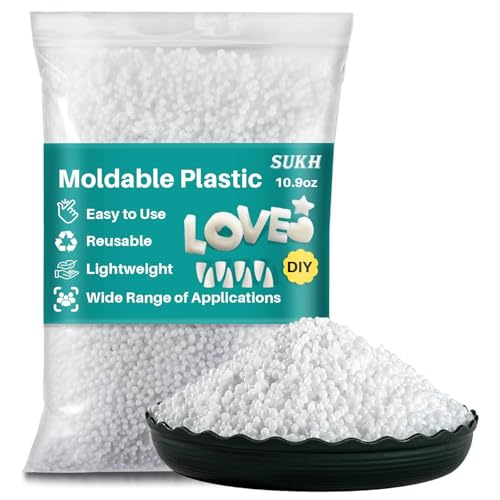
Best for precision customization and repair work. The 310-gram pellet pack provides granular control when melting beads to form custom shapes, brackets, or temporary fixes. It’s economical and reusable, with straightforward heating to a transparent state before hand-molding. Choose this for projects requiring highly tailored geometry or quick on-site adaptations. Caution: manage heat carefully to avoid over-melting and ensure safe handling during the molding process.
Buying Guide
What to consider when choosing moldable plastic for splints or props:
- Purpose: Medical splinting typically benefits from higher rigidity and edge durability; cosplay and crafts favor flexibility and ease of shaping.
- Thickness: Thicker sheets (like 1/8 inch) provide sturdier support; thinner sheets (1/16 inch) are easier to wrap and contour.
- Heat requirements: Some products require hot water or heat guns; plan for a safe heating method and proper handling.
- Reusability: Re-moldable options allow adjustments after initial shaping, which is valuable for iterative designs.
- Edge finishing: Neat edges reduce skin irritation in splint applications and improve comfort in wearables.
- Size and quantity: Larger sheets save time for big splints; multiple smaller pieces support modular builds.
- Compatibility: For medical-adjacent uses, ensure materials can be cleaned or sterilized per applicable guidelines.
FAQ
- What makes moldable plastics suitable for splints?
- Are these plastics safe for skin contact?
- Can I reuse moldable plastics after removing a splint?
- Which product is best for cosplay?
- Do these products require special tools?
- Is one material better for beginners?
They soften with heat, allowing custom shaping to fit anatomy, then harden to provide immobilization and support.
Most are designed for general-use crafting and medical-adjacent applications, but always verify material safety data and follow skin-care best practices.
Yes, many materials can be reheated and reshaped, though some changes in properties may occur after multiple cycles.
The sheets from Polly Plastics and BENECREAT are well-suited for costume components due to their moldability and sheet form.
Basic tools like heat sources, scissors, or knives are often enough; other projects may benefit from molds or shaping tools.
InstaMorph offers straightforward heating and remolding, making it friendly for beginners and hobbyists.