Finding nail clippers that work for autistic children can reduce stress during grooming. The right clipper should be safe, quiet, and easy to use for both the child and the caregiver. Below are five options designed to minimize discomfort, maximize control, and prevent accidental nicks. Each choice is explained with who it’s best for and why it stands out, plus practical cautions to consider.
| Product | Why It Stands Out |
|---|---|
| ClipDifferent Electric Nail Clipper for Child | Adaptive design for cerebral palsy and fine motor/sensory needs, built-in safety slot |
| Lil Nipper Electric Nail Clipper for Child | Patented safety slot with self-sharpening blade, gentle operation for sensitive kids |
| Hqyib Electric Nail Clipper | Anti-pinch design, 3-in-1 care, adjustable speeds |
| HARAC Special Needs Nail Clippers | Ergonomic, table-based operation for arthritis or limited dexterity |
| Safety 1st Sleepy Baby Nail Clipper | Designed for sleep-time trimming with built-in LED |
Notes: The table highlights how each product aligns with sensory needs, motor control, and caregiver experience. The list prioritizes blades that prevent skin contact, quiet operation, and simple handling to help reduce anxiety during nail care sessions.
ClipDifferent Electric Nail Clipper for Child

Best for caregivers who need precise control with a specialized safety slot. This model targets kids with cerebral palsy, fine motor or sensory motor challenges, and arthritis. The patented safety slot creates a physical barrier between blade and skin, reducing the risk of nicks even when hands shake or grip is weak. The design shifts strain away from the caregiver’s steadiness to the device’s precision, making it suitable for both children and adults assisting a child.
Why chosen: The independent safety mechanism and kid-sized design make it a strong choice for sensitive users who require cautious trimming. Best for early-care settings or home use with intermittent cooperation from the child. Caution: It may require some initial instruction to coordinate finger placement with the safety slot for first-time users.
Electric Nail Clipper, 3-Speed Adjustable

Best for families needing versatility across ages. This clipper offers three speeds, a clear display, and a built-in debris catcher with LED illumination. The lower speed is suitable for children or thin nails, while higher speeds tackle thicker nails for adults or older kids. The device emphasizes a smooth, painless experience, especially when caregiver steadiness is limited. The built-in catcher helps keep the area tidy, which can reduce sensory distress from scattered clippings.
Why chosen: The adjustable speeds and visible operation reduce uncertainty for anxious users. Caution: Some users may find the larger form factor less convenient for tiny fingers, and the device requires regular charging.
Electric Nail File Drill for Baby No Sharp Claws Hurt

Best for on-the-go parents who want a compact solution with multiple settings. This 6-in-1 option provides varying speeds and rotation patterns for careful trimming of fingers and toes. The lightweight design is ideal for travel, and the operating noise is designed to be unobtrusive for sleeping infants. Best when you need a discreet, all-in-one tool that can adapt to a child’s temperament during a session.
Why chosen: It combines portability with adjustable patterns, helping avoid sudden, loud sounds that surprise a child. Caution: The device may require more familiarity to dial in exact rotation patterns for precise trims on delicate nails.
Lil Nipper Electric Nail Clipper for Child
Best for children aged 5-12 who want to participate in nail care with caregiver support. The Lil Nipper features a patented safety slot and a self-sharpening blade, providing precise, controlled trimming. It reduces the risk of skin contact and offers a predictable sound compared to traditional clippers, which can be startling for sensory-sensitive kids. The built-in stopper trims nails gradually for safety.
Why chosen: The design supports gradual learning and self-management for older kids ready to participate. Caution: The grip may feel small for caregivers with limited dexterity, and the device requires charging for extended use.
HARAC Special Needs Nail Clippers

Best for arthritic hands and caregivers with limited dexterity. The Japanese-made design focuses on easy operation via a palm or forearm push rather than a tight grip. The large handles and sturdy blade provide accurate cuts with less manual effort. Included nail file adds convenience for gentle buffing. It’s suited for ages and conditions that make traditional clippers challenging.
Why chosen: The tabletop-style use reduces hand strain and improves control for anxious or uncooperative children. Caution: Some users may prefer a powered option for very thick nails, though the manual blade enhances safety in some contexts.
Safety 1st Sleepy Baby Nail Clipper
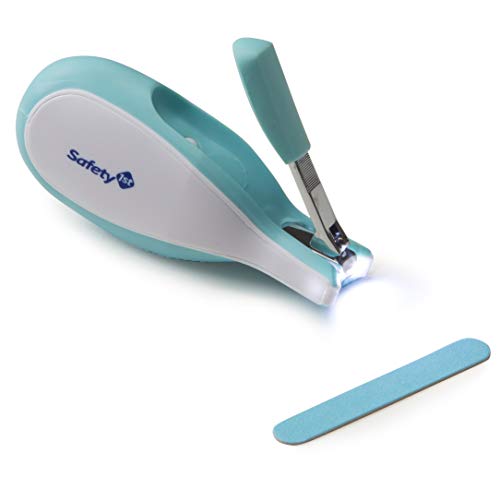
Best for parents who trim nails while the child is resting. The Sleepy Baby model includes a built-in LED light to improve visibility in low light and a slot for emery boards. Designed to be quiet and gentle, it provides a non-startling approach to trimming at sleep time, which can help reduce anxiety for bedtime routines. It’s most effective for younger children who tolerate minimal stimulation during grooming.
Why chosen: It pairs a calm, low-stimulation approach with practical features that keep the process predictable. Caution: The lighter duty blade may not be ideal for thick nails or certain sensory profiles requiring more robust trimming tools.
Buying Guide: Nail Clippers For Autistic Children
- Safety first: Look for a dedicated safety slot or guard to prevent skin contact, especially for children with tremors or limited dexterity.
- Noise and speed: Quiet operation and gentle cutting actions reduce anxiety. Consider speeds or sound levels that align with the child’s tolerance.
- Size and ergonomics: Choose a design that fits small hands and is easy for a caregiver with arthritis or tremors to hold without fatigue.
- Maintenance: Models with built-in catchers or led lighting help keep the environment clean and visible, lowering sensory disruption.
- Participation potential: Some options allow the child to participate in trimming under supervision, fostering independence and confidence.
- Travel readiness: If nails need care outside the home, compact and lightweight devices are preferable.
- Limitations: Not all models handle very thick nails well; some are better suited for kids with typical nails who want a guided experience.
Frequently Asked Questions
- What features minimize distress for autistic children during nail trimming?
Answer: Safety guards, quiet operation, predictable sounds, and ergonomic designs that reduce fatigue for caregivers, plus the option for the child to participate under supervision. - Are electric nail clippers safer than manual for autism-related sensory challenges?
Answer: Yes, when they include safety guards and controlled trimming, as they reduce the risk of accidental nicks and provide steadier action. - Should I choose a 3-in-1 tool or a single-function clipper?
Answer: A 3-in-1 option can be advantageous for families seeking all-in-one care (trim, polish, collect), but a single-function clipper may offer simpler operation for sensitive children. - Is it better to trim nails while the child is awake or asleep?
Answer: It depends on the child’s tolerance. Some prefer sleep-time trimming for a calm routine; others benefit from daytime sessions with a predictable process. - What is the best age range for child-friendly electric clippers?
Answer: Options exist for ages 5-12 and younger, with safety features designed for growing hands and evolving self-care skills. - How important is a nail catcher or LED light?
Answer: A catcher helps keep the area tidy, reducing sensory triggers from scattered clippings; an LED light improves visibility in low light, aiding precise trimming.