Answering the common question, “What is the best OTC anti-itch cream for fast relief?” this guide highlights reliable, doctor-referenced options that target itching from bites, rashes, eczema, and minor skin irritations. The featured products are suitable for adults and many are kid-friendly, making them versatile for family use. Each entry explains who it’s best for, why it was selected, and a practical caution to consider before purchase.
The table below summarizes five well-rounded choices to help you compare at a glance.
| Product | |||
|---|---|---|---|
| PBZ OTC Antihistamine Cream 1% Tripelennamine HCl (1 oz) | Tripelennamine HCl 1% | Small travel size | Kids and adults needing fast antihistamine itch relief |
| Benadryl Topical Itch Relief Gel (3.5 fl oz) | Diphenhydramine HCl 2% | Medium | Outdoor activities and insect bites |
| Amazon Basic Care Maximum Strength Anti-Itch Cream (1 oz) | Hydrocortisone 1% | Small | Relief from inflammation and itching |
Continue reading for detailed product-by-product insights that distinguish each option and help you choose the best match for your needs.
PBZ OTC Antihistamine Cream 1% (1 oz)
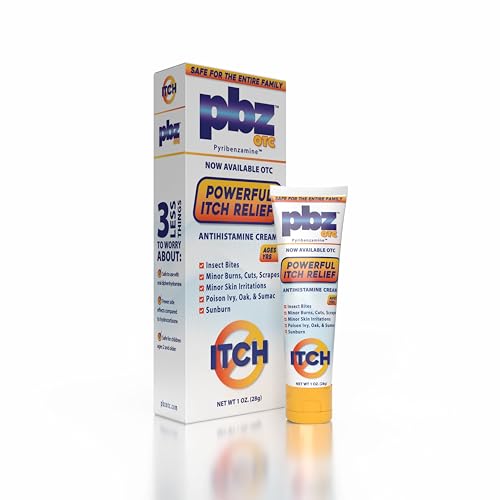
Active ingredient: 1% tripelennamine HCl. This family-friendly formula is designed for both kids and adults. It provides round-the-clock relief when applied up to four times daily and tackles itch from insect bites, minor cuts, minor burns, scrapes, skin irritations, poison plants, and sunburn. Best for households seeking a versatile, antihistamine-based cream with broad itch relief. A caution: for young children, follow label directions and monitor any signs of sensitivity.
Benadryl Topical Itch Relief Gel (3.5 oz)

Active ingredient: 2% diphenhydramine HCl. This gel is formulated to block histamine and provide soothing relief from itching and minor pain. It’s particularly well-suited for outdoor use—be it after a day at the beach, hiking, or sports—where insect bites and minor scrapes are common. Best for: quick, topical relief with a cooling sensation. Limitation: some users may prefer a non-gel option for sensitive or drier skin types.
Amazon Basic Care Maximum Strength Anti-Itch Cream (1 oz)
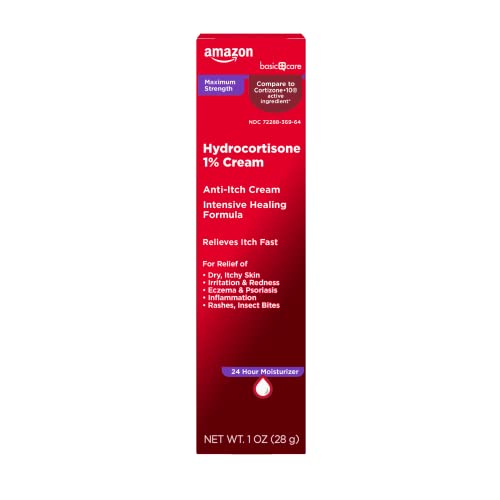
Active ingredient: Hydrocortisone 1%. This is a dermatologist-referenced, maximum-strength option for quick relief from itching due to skin irritation, rashes, inflammation, and insect bites. It’s suitable for adults with eczema, contact dermatitis, and related conditions. Best for: those seeking a compact, hydrocortisone-based relief with a familiar brand. Caution: not ideal for open wounds or broken skin; use as directed on the label.
Cortizone-10 Maximum Strength Itch Relief Cream (1% Hydrocortisone, 2 oz)

Active ingredient: Hydrocortisone 1%. This 2 oz tube provides fast-acting relief for itch associated with minor skin irritations and inflammation due to eczema, insect bites, psoriasis, and poison ivy, oak, or sumac. Best for: users who want a reputable corticosteroid option with moisturizers and vitamins for skin nourishment. Limitation: some individuals may prefer fragrance-free or steroid-free formulations for sensitive skin.
CeraVe 1% Hydrocortisone Anti-Itch Cream (1 oz)

Active ingredient: 1% hydrocortisone. This fragrance-free option includes Hyaluronic Acid and Niacinamide to help retain moisture and calm the skin. It holds NEA Seal of Acceptance, indicating suitability for eczema-prone and dry skin. Best for: users seeking a gentle, non-irritating formula with skin-supporting ingredients. Caution: fragrance-free does not always mean fragrance-free for sensitive individuals; check for any added excipients that may irritate.
Buying Guide: Key Considerations For Choosing The Right OTC Anti-Itch Cream
- Active ingredient impact: Hydrocortisone products provide anti-inflammatory relief for itching and rashes, while antihistamine creams (like tripelennamine) target histamine-related itch. Choose based on the itch cause and skin type.
- Skin type and sensitivities: Fragrance-free and NEA-certified options are preferable for sensitive or eczema-prone skin. Non-greasy formulas help those with oily skin, while moisturizing variants aid dry skin.
- Strength and usage: Hydrocortisone 1% is widely used for moderate itch. Antihistamines may be chosen for kids or those seeking quick, short-term relief without steroids. Always follow label directions for frequency and duration.
- Application area: For sensitive or thin skin areas (face, genitals, underarms), opt for lighter, non-irritating formulations and avoid compounded products not intended for those regions.
- On-the-go convenience: Small tubes or packets are ideal for travel, sports bags, and daily carry. Larger bottles are better for home use and ongoing treatment needs.
- Safety and precautions: Do not apply to open wounds or severely damaged skin. Avoid contact with eyes. If symptoms persist beyond a week or worsen, consult a healthcare professional.
Frequently Asked Questions
- What is the best OTC anti-itch cream for kids?
– A formulation labeled kid-safe and fragrance-free, such as mild antihistamine creams with caution and under pediatric guidance, or a hydrocortisone option if recommended by a clinician, is typically suitable for children. Always follow age-specific dosing on the product label. - Can hydrocortisone creams help with poison ivy or oak?
– Yes, hydrocortisone creams can reduce itching and inflammation from poison ivy, oak, and sumac, but they should be used as directed and avoided on broken skin unless the label specifies suitability. - Are antihistamine topicals better than hydrocortisone for itching?
– Antihistamines target histamine-induced itch, while hydrocortisone reduces inflammation. The choice depends on itch cause, skin sensitivity, and whether inflammation is present. - Is it safe to use multiple anti-itch products at once?
– It’s usually not recommended to combine multiple anti-itch products without medical guidance, as interactions or over-application can increase skin irritation or systemic exposure. - What should I do if the itch persists after using OTC products?
– If itching continues beyond several days or is accompanied by severe symptoms, seek medical advice to identify underlying conditions or consider prescription-strength options. - Are fragrance-free products always best for sensitive skin?
– Fragrance-free products are generally better for sensitive or irritated skin, but individual sensitivities vary. Check ingredient lists for potential irritants beyond fragrance.