When postnasal drip and nasal congestion strike, an OTC nasal spray can offer fast, targeted relief. This guide highlights five widely available options suited for different needs—from fast-acting decongestants to daily allergy relief and gentle saline rinses. Best for quick congestion relief, best for daily allergy control, best for sensitive noses, and best budget-friendly saline options are covered. Each product is evaluated for who it’s best for and why, with practical cautions to consider before you buy.
| Product | Best For |
|---|---|
| Amaz o n Basic Care No Drip Nasal Spray | Fast-acting decongestion for short-term relief from colds and allergies |
| Flonase Allergy Relief Nasal Spray | 24-hour allergy symptom relief and congestion control |
| Afrin No Drip Allergy Sinus Nasal Spray | Rapid, non-drowsy nasal decongestion from allergies or colds |
| NASONEB Saline Nasal Spray | Non-medicated moisture and gentle clearing of irritated passages |
| Arm & Hammer Simply Saline Extra Strength Nasal Mist | Budget-friendly saline relief to reduce swelling and clear passages |
Amazon Basic Care No Drip Nasal Spray

Active Ingredient: Oxymetazoline HCl. This decongestant spray provides quick relief by constricting nasal blood vessels, reducing swelling and helping you breathe more freely. It is marketed as a 12-hour maximum strength option and is often chosen for fast relief during a cold or seasonal allergies.
Best for: Adults needing rapid, short-term congestion relief, especially when postnasal drip worsens nasal blockage. Choose this if you need quick onset and a strong decongestant effect for a limited time.
Caution: Do not use for more than 3 days in a row to avoid rebound congestion. Not ideal for daily, long-term control of allergy symptoms.
Flonase Allergy Relief Nasal Spray

Active Ingredient: Fluticasone Propionate, a corticosteroid nasal spray that reduces inflammation and relieves multiple allergy symptoms. This product provides up to 24-hour relief and is non-drowsy, with the ability to address nasal congestion, runny nose, sneezing, and itchy eyes in many cases.
Best for: Daily, all-day allergy control and chronic congestion management. Choose this if you want ongoing symptom relief rather than a one-time decongestant boost.
Caution: Consistent daily use is typical for full effect; not a quick-onset option for immediate relief within minutes.
Afrin No Drip Allergy Sinus Nasal Spray

Active Ingredient: Oxymetazoline HCl (No Drip variant). It provides fast-acting relief from nasal congestion and is designed to avoid post-nasal drip symptoms by reducing swelling in the nasal passages. It’s a decongestant spray often used for hay fever and upper respiratory allergies.
Best for: Short-term relief during severe congestion or sinus pressure from allergies. Avoid if you need long-term symptom control or have a history of rebound congestion with extended use.
Caution: Similar to other decongestants, limit use to 3 days to minimize rebound congestion risk.
NASONEB Saline Nasal Spray
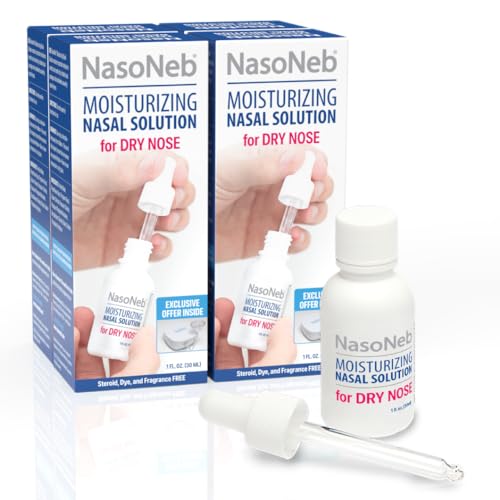
Ph-balanced, steroid-free saline spray designed to moisturize and cleanse nasal passages. It uses dual wetting agents to support natural moisture balance and provide gentle relief from dryness and irritation, without active drug ingredients that alter other nasal medications.
Best for: Individuals seeking a non-medicated option to maintain moisture, soothe dryness, or support day-to-day nasal comfort. Choose this if you prefer a non-steroidal, non-decongestant approach.
Caution: It may not provide strong decongestant relief for clogged sinuses; best as a complementary option when used with other allergy therapies.
Arm & Hammer Simply Saline Extra Strength Nasal Mist

Active ingredients are saline-based with baking soda for extra strength. This spray aims to alleviate swelling and help clear nasal blockages by drawing moisture and thinning mucus, using 3% saline formula designed to be effective for congestion relief.
Best for: Budget-conscious buyers seeking reliable saline relief to reduce swelling and support easier breathing without medications.
Caution: While effective for moisture and mild congestion, it may not relieve moderate-to-severe nasal congestion caused by infections or severe allergies.
Buying Guide: Key Considerations For Choosing The Right OTC Nasal Spray
- Purpose: Choose a decongestant spray (oxymetazoline) for quick relief during a cold or backed-up sinuses, and a corticosteroid spray (fluticasone) for ongoing allergy control.
- Usage duration: Decongestant sprays are typically limited to 3 days to prevent rebound congestion; steroid sprays may require days to weeks for full effect and are better for chronic symptoms.
- Formulation: Saline sprays moisturize and cleanse without drugs; they’re often best for sensitive noses or for daily maintenance and for children when appropriate.
- Allergy context: If allergic rhinitis is the main issue, a daily corticosteroid spray can address multiple symptoms, including congestion, runny nose, and itchy eyes.
- Safety considerations: Check for dye-free formulations if sensitivity is a concern; consider interactions with other nasal medications you may be using.
Frequently Asked Questions
- Q: How quickly do OTC nasal sprays work? A: Decongestant sprays often provide relief within minutes; steroid sprays may take several days to reach full effect.
- Q: Can I use nasal saline sprays with other allergy medicines? A: Yes, saline sprays are typically safe to use alongside other nasal sprays, but follow your doctor’s guidance for medications with active ingredients.
- Q: How long is it safe to use a decongestant spray? A: Generally, up to 3 days to avoid rebound congestion; prolonged use can worsen nasal congestion.
- Q: Are saline sprays non-medicated? A: Yes, most saline sprays are sterile saline without drugs and are suitable for daily moisture and gentle cleansing.
- Q: Which option is best for postnasal drip relief? A: For postnasal drip linked to allergies, consider a corticosteroid nasal spray; for short-term congestion relief, a decongestant spray can help, and saline sprays support moisture and drainage.
- Q: Should I avoid sprays if I have asthma or COPD? A: Consult a healthcare professional; certain decongestants can affect cardiovascular or pulmonary conditions in some individuals.