Answering your search for an over-the-counter jock itch treatment, this guide highlights top FDA-approved antifungal options. The selections are best suited for adults and teens dealing with jock itch, athlete’s foot, or related fungal infections. Each option targets itching, burning, and irritation while offering clear usage considerations. Below, you’ll find five carefully chosen products, plus a practical buying guide and FAQs to help you choose confidently.
Summary of recommended products (quick reference):
| Product | Form / Size | Active Ingredient | Best For |
|---|---|---|---|
| SimplyVital 1% Clotrimazole Cream | 2 oz | Clotrimazole 1% | Beginner care for jock itch, athlete’s foot, ringworm |
| Lotrimin Ultra Jock Itch Cream | 1.1 oz | Butenafine Hydrochloride | Clinically proven jock itch relief |
| Globe Clotrimazole 1% Cream | 1 oz | Clotrimazole 1% | Relief for athletes foot, jock itch, ringworm |
| Lotrimin Jock Itch Powder | 6.25 oz | Miconazole Nitrate | Powder form for persistent moisture control |
| PHARMBANNER Antifungal Cream | Various | Clotrimazole 1% | Fast-acting, plant-based soothing formula |
SimplyVital 1% Clotrimazole Antifungal Cream

Product overview: This antifungal cream uses 1% clotrimazole, an OTC ingredient formulated to treat most athlete’s foot, jock itch, and ringworm. It provides comfort by relieving itching, burning, cracking, and scaling. The texture is lightweight and non-greasy, allowing easy application and quick absorption.
Who it’s best for: Suitable for adults and teens seeking a straightforward application with rapid symptom relief. Best for those who prefer a non-greasy feel and simple dosing.
Limitations: Has a single active ingredient and may require ongoing use to ensure clearance in persistent infections. If symptoms persist beyond two weeks, consult a clinician.
Lotrimin Ultra Antifungal Jock Itch Cream
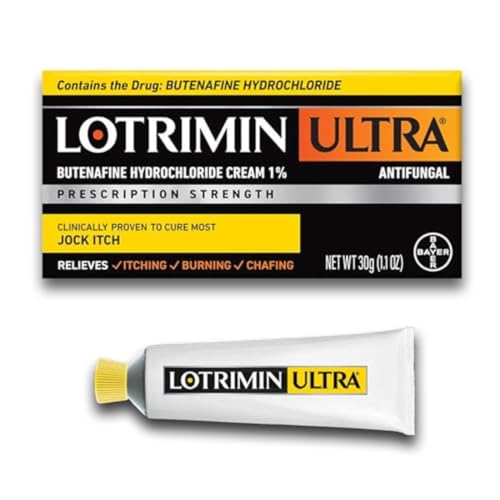
Product overview: Lotrimin Ultra uses butenafine hydrochloride to treat jock itch and related fungal infections. Clinically recognized for its effectiveness in curing most jock itch infections, this cream targets the fungus responsible for tinea cruris.
Who it’s best for: Suitable for individuals seeking a clinically proven jock itch treatment with a dedicated active ingredient for fast symptom relief. May be preferred when quicker onset is desired.
Limitations: May not be suitable for children under 12; always follow product labeling and pediatric guidelines if treating younger individuals.
Globe Clotrimazole Antifungal Cream 1%

Product overview: This 1% clotrimazole antifungal cream focuses on relieving itching, burning, cracking, and scaling associated with athlete’s foot, jock itch, and ringworm. It emphasizes a pharmacist-recommended, fresh formula for reliable fungal relief.
Who it’s best for: Ideal for users who value a fresh, widely trusted 1% clotrimazole option with broad fungal coverage and straightforward application.
Limitations: As with many topical antifungals, improvement may require consistent use as directed; discontinue if irritation occurs or if symptoms worsen.
Lotrimin Jock Itch Medicated Powder
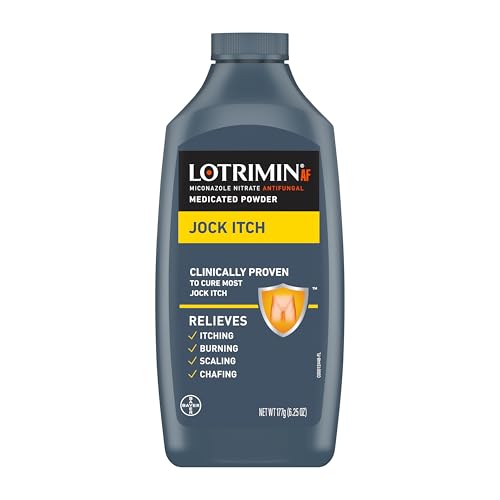
Product overview: This powder uses miconazole nitrate to address jock itch, offering a different delivery method for moisture-prone areas. It helps control fungal growth and is suitable for adults and older children who can tolerate powder applications.
Who it’s best for: Choose this if you prefer a powder form to manage moisture and reduce friction in groin areas, potentially improving comfort during active days.
Limitations: Powder formulations can be messier to apply and may require reapplication in humid or sweaty conditions.
Lamisil Jock Itch Antifungal Cream

Product overview: Lamisil contains terbinafine hydrochloride, a well-known antifungal that targets tinea cruris, tinea pedis, and tinea corporis. It is designed for once-daily use over a week and is billed as fast-acting for symptom relief.
Who it’s best for: Best for those seeking a prescription-strength-feel option with a short, clearly defined treatment course and rapid relief. Suitable for adults and older teens.
Limitations: Longer-term or persistent infections may require medical consultation if symptoms do not improve within the recommended timeframe.
Buying Guide: Key Considerations When Choosing Jock Itch Treatments
- Active ingredient and infection coverage: Common options include clotrimazole, miconazole, butenafine, and terbinafine. Match the active ingredient to the suspected infection (jock itch, athlete’s foot, ringworm) and consider whether you need a single- or multi-infection treatment.
- Form and user preference: Creams are easy for most skin areas; powders can help with moisture-prone regions; sprays offer quick coverage, especially in hard-to-reach areas. Choose a format that fits your routines and comfort.
- Onset and duration: Some products emphasize faster relief or shorter treatment courses. Consider how quickly you want symptom relief and how long you’re willing to apply the product.
- Age and skin sensitivity: Check label age guidelines and any fragrance or botanical ingredients if you have sensitive skin or allergies. Plant-based formulations may offer soothing properties but should be evaluated for efficacy.
- Usage instructions and precautions: Follow directions on cleaning, drying the affected area before application, and avoiding contact with eyes or mucous membranes. If symptoms worsen or persist beyond two weeks, seek medical advice.
Frequently Asked Questions
- What is the most effective OTC treatment for jock itch?
– Effectiveness varies by infection type, but terbinafine and butenafine products are commonly recognized for rapid symptom relief and strong antifungal action. - Can I use OTC jock itch cream on other parts of the body?
– Most antifungal creams are intended for external skin use. Follow product labeling and avoid sensitive areas unless specified. - How long should I apply antifungal cream?
– Treatment typically lasts 1–2 weeks, but follow the labeling directions. If symptoms persist after two weeks, consult a clinician. - Are there any side effects to watch for?
– Possible irritation, redness, or itching at the application site. If severe or persistent, discontinue and seek medical advice. - Can children use these products?
– Age recommendations vary by product. Check the label for pediatric guidelines and consult a healthcare professional if treating younger patients. - Should I avoid using multiple antifungal products at once?
– It’s generally best to avoid stacking products unless advised by a clinician to prevent skin irritation and overexposure to active ingredients.