Discover the best over-the-counter options to relieve your dog’s itching. This guide highlights five effective products for common itch triggers like allergies, dry skin, and environmental irritants. It’s ideal for pet owners seeking affordable, at-home relief without a vet visit. Each choice targets different needs—quick antihistamine relief, skin-supporting chews, or topical hydrations—so you can match the product to your dog’s symptoms and lifestyle.
Summary of selected products
| Product | Best For | Format | Notes |
|---|---|---|---|
| PetArmor Antihistamine Allergy Relief for Dogs | Immediate itch relief from allergies | Oral tablets | Contains common active ingredient; home-use option |
| BFDEREN Dog Allergy Chews | Comprehensive allergy and immune support | Chews | Vet-formulated 5-in-1 blend |
| Elypuff Dog Allergy Chews 130ct | Daily itch and immune support | Chews | Contains colostrum, probiotics, omegas |
| Paw Science Anti-Itch Hydrocortisone Lotion | Topical relief for hotspots and itching | Ointment | Quick-acting skin soother |
| YUMA’S Dog Allergy Relief Chews | Itch and immune support in a chew | Chews | Broad relief with vitamins and minerals |
PetArmor Antihistamine Allergy Relief for Dogs

Best for: Dogs experiencing quick, temporary itch relief due to environmental or seasonal allergies. This product uses the same active ingredient as Benadryl UltrATABS and is marketed as an affordable at-home treatment. Use when itching is mild to moderate and you want a fast onset.
Why selected: It provides straightforward antihistamine relief without a veterinary prescription, making it suitable for routine, non-severe allergic reactions.
Limitations: It may not address severe or chronic dermatitis, and dosing should follow label directions. Avoid using in combination with other antihistamines unless advised by a vet.
BFDEREN Dog Allergy Chews

Best for: Dogs needing a multifaceted allergy and immune support approach. These chews claim to combine antioxidant, gut support, and immune-boosting ingredients to target root allergy factors.
Why selected: They offer a broader, vet-formulated blend than typical single-ingredient chews, which may help dogs with persistent itchiness tied to food, season, or environment.
Limitations: The complex formula may be more than some dogs require; monitor for any digestive changes when starting supplementation.
Elypuff Dog Allergy Chews 130ct
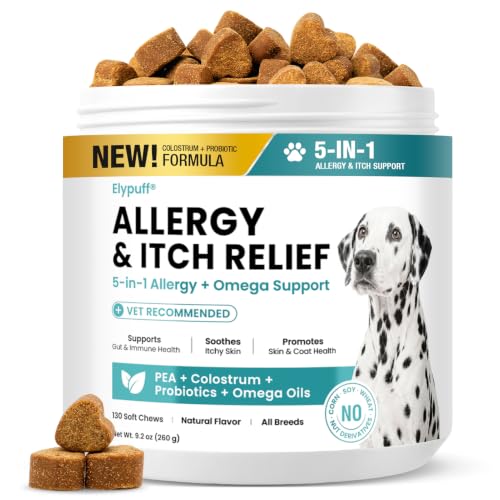
Best for: Daily immune and skin-support for allergy-prone dogs. These chews emphasize a combination of colostrum, probiotics, Omega-3s, and antioxidants to balance histamine response and improve skin health.
Why selected: They integrate gut-health support with skin care, aiming to reduce itching from within and promote a glossy coat.
Limitations: As with any supplement, efficacy varies by dog; watch for changes in appetite or digestion when starting a new regimen.
Paw Science Anti-Itch Hydrocortisone Lotion

Best for: Quick relief of hot spots, dermatitis, and localized itching on dogs and cats. This medicated lotion provides fast anti-itch relief and helps reduce inflammation at affected areas.
Why selected: A topical option that complements oral products, helpful for targeting hotspots or sensitive areas like face folds or elbows.
Limitations: Not a substitute for ongoing systemic allergy treatment; avoid applying to broken skin or large areas without veterinary guidance.
ColEaze Dog Allergy Chews 200ct
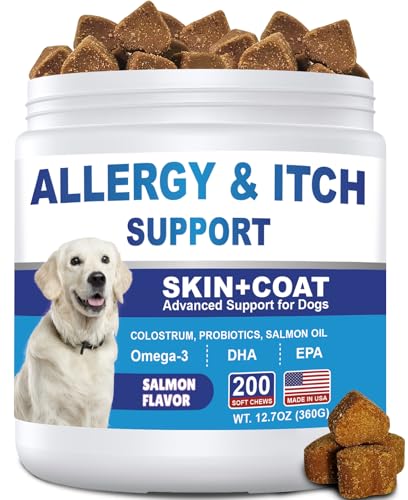
Best for: Dogs needing long-term allergy relief and skin health support, with a focus on immune balance and gut health. Suitable for adults and senior dogs.
Why selected: Combines salmon oil, colostrum, and a multi-probiotic blend to nourish skin and coat while tackling itching, rashes, and dryness from within.
Limitations: Large bottle size may be unnecessary for small dogs; ensure proper portion sizes for smaller breeds.
Buying Guide: How To Choose The Right OTC Itch Relief For Your Dog
What kind of itch are you treating?
Allergic itching from environment or food often responds to antihistamines or immunonutrition chews. Localized hotspots or dermatitis may benefit from a topical cream in addition to oral products.
Oral vs. topical options
Oral products provide systemic relief and longer-lasting effects. Topicals offer immediate relief on affected areas but don’t treat the underlying cause.
Ingredients to watch
Hydrocortisone is effective for short-term topical relief. Omega-3s and probiotics support skin and gut health. Colostrum and quercetin can help modulate immune response. Avoid duplicates of active ingredients when combining products.
Age, size, and breed considerations
Always follow label dosing based on weight. Some ingredients may interact with other medications or be unsuitable for puppies or certain breeds.
Safety and monitoring
Introduce one product at a time, monitor for adverse reactions, and discontinue if itching worsens or new symptoms appear. Consult a veterinarian if symptoms persist beyond a few weeks or escalate.
Choosing a plan that fits your routine
For busy households, a daily chew with immune support may reduce itch over time. For immediate relief of flares, pair a topical treatment with an oral option.
FAQ
- Are OTC antihistamines safe for dogs? If used as directed, some OTC antihistamines can be safe for dogs, but you should confirm the correct medication and dosage with a veterinarian before use.
- Can I mix multiple allergy chews? Only if the products’ labels explicitly allow it or your vet advises; avoid duplicating active ingredients and watch for digestive upset.
- How quickly do topical anti-itch products work? Topical hydrocortisone products can provide relief within hours, particularly for hotspots and irritated skin.
- What if my dog has a severe or persistent itch? Severe or lasting itch may indicate an underlying condition needing veterinary evaluation; OTC products are for temporary or supplementary relief.
- Are these products safe for puppies? Some formulations are not suitable for puppies; check age recommendations on the label and consult a veterinarian for younger dogs.
- Should I choose chews or capsules? Chews are often easier to administer and can provide additional skin-support nutrients, while capsules may be preferred for dogs with sensitive stomachs.