Direct answer: For padding bed sores, select products that cushion key pressure points, maintain a moist wound environment, and allow breathability. The top picks below focus on sacral foam dressings and alternating pressure mattresses suitable for bedridden or immobile individuals. Best for caregivers seeking practical, ready-to-use padding solutions, these options balance absorption, skin-friendly adhesion, and user comfort.
Buyer profiles:
– Caregivers seeking non-adherent dressings with gentle removal.
– Family members managing sacral wounds or high-pressure areas.
– Patients needing ongoing pressure management and comfort during sleep.
– Healthcare providers looking for durable, hospital-grade padding options.
Summary table of chosen products
| Product | ||
|---|---|---|
| Sacral Foam Dressing, Sacrum Silicone Foam Dressing with Border | Sacral wounds and high-moisture areas | 4-layer design with silicone adhesion |
| Vive Alternating Air Pressure Mattress Pad | Bedridden patients needing continuous pressure redistribution | 130 air cells and whisper-quiet pump |
| Dimora Wound Dressing Sacrum Foam Bandages | Low-friction wound care with border adhesion | 5-layer absorbent structure |
| Niceful Sacral Silicone Foam Dressing | Large wound coverage with silicone contact layer | 5-layer membrane with border |
| Alcedo Alternating Air Pressure Mattress Pad | Home or hospital use for pressure ulcer prevention | Ideal for most beds; waterproof surface |
Sacral Foam Dressing, Sacrum Silicone Foam Dressing with Border
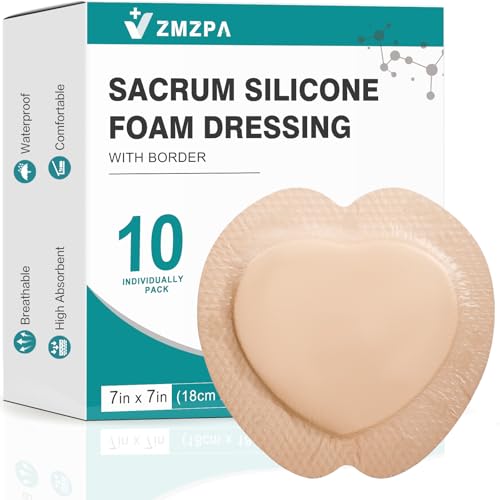
The product uses a 4-layer advanced sacral silicone foam dressing with a border. It absorbs up to 15 times its weight in wound fluid, helping maintain a moist healing environment while reducing contamination and offering protection against external pressure. The silicone adhesion is designed for gentle removal, minimizing trauma during dressing changes. The semi-permeable barrier provides waterproof protection while allowing airflow, supporting wound care in sacral areas and other high-moisture regions.
Best for: patients with sacral wounds or pressure ulcers requiring both high absorption and gentle, skin-friendly removal. Choose this if you value a strong moisture management system with a protective border. Caution: adhesive may gradually wear with repeated changes; ensure proper skin prep to maximize adhesion.
Vive Alternating Air Pressure Mattress Pad
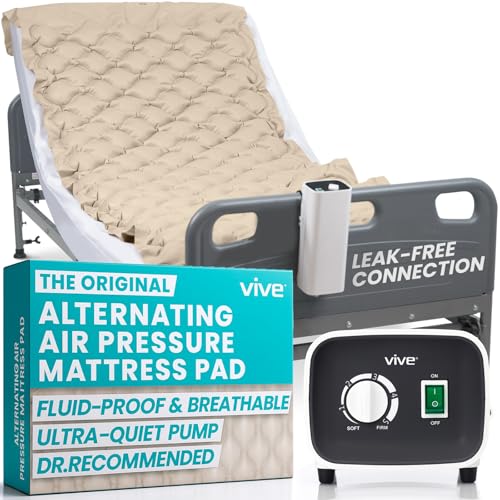
Best for: bedridden individuals who cannot shift weight frequently. The pad uses 130 air cells with an alternating pressure cycle to relieve pressure spots and redistribute weight. A whisper-quiet pump at about 22 dBA provides customizable pressure levels and cycles approximately every six minutes. This solution emphasizes continuous pressure redistribution and comfort during sleep.
Limitation: while designed for durability, it requires a compatible power source and routine setup to maintain consistent performance.
Dimora Wound Dressing Sacrum Foam Bandages
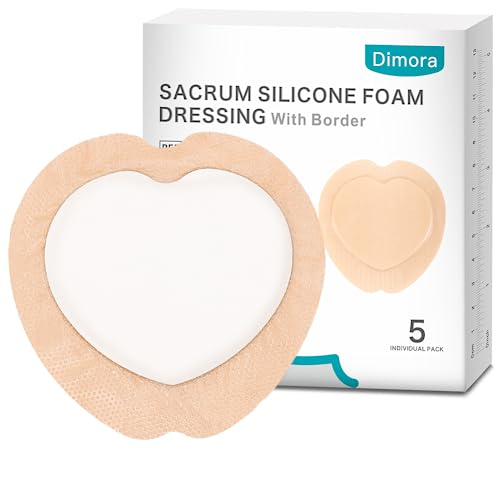
This Dimora product combines a 5-layer material with a silicone contact layer, offering absorbency and a secure, gentle adhesion. It creates a barrier against wound pollution via a semi-permeable PU film layer that is waterproof and breathable. The design emphasizes a moist wound environment to promote healing while minimizing wound contamination during dressing changes.
Best for: wounds requiring high absorbency with careful, skin-friendly adhesion. Avoid if adhesive strength is incompatible with very fragile skin or if frequent dressing changes are anticipated in a setting without reliable skin prep.
Niceput Upgraded Bed Sore Cushions
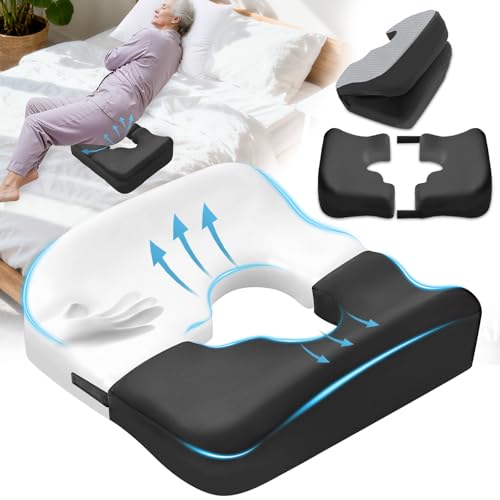
Best for: individuals needing tailbone and coccyx relief during sitting and lying down. The cushion uses a silent, memory-foam core with an ergonomic T-shaped opening to relieve pressure on sitting bones and coccyx. It features a foldable design and a Velcro linkage for caregiver-assisted repositioning. The cushion aims to reduce sitting fatigue and improve blood flow in the buttocks region.
Limitation: designed primarily for sitting and short rest positions; not a primary wound dressing, but a padding solution to prevent pressure on vulnerable areas.
Alcedo Alternating Air Pressure Mattress Pad

Best for: homes or healthcare settings needing reliable bed sore prevention with an adjustable pump. This mattress pad uses alternating pressure to redistribute weight and reduce risk of ulcers. It features a waterproof cushion surface suitable for easy cleaning and sustained hygiene. The design targets comfort for bedridden users and supports long-term use with durable materials.
Limitation: ensure proper mattress fit and secure under-mattress placement to maximize effectiveness and prevent bulk under the sheets.
Buying Guide: Padding And Dressings For Bed Sores
What to consider when choosing padding for bed sores
- Wound type and location: Sacral or buttock wounds benefit from border dressings with silicone adhesion and high absorbency.
- Absorption and moisture management: Look for multi-layer dressings that lock in exudate while maintaining a moist wound environment.
- Adhesion and skin safety: Hypoallergenic silicone contact layers reduce pain during changes and minimize skin trauma.
- Airflow and waterproofing: Semi-permeable barriers protect from fluids while allowing moisture vapor to escape.
- Mobility and positioning: Alternating pressure mattresses help distribute weight for immobile patients and support prevention.
- User context: Home use vs. hospital settings may influence pump noise, portability, and maintenance needs.
Frequently Asked Questions
- What padding is best for sacral bed sores?
Answer: Dressings with silicone adhesion and border coverage, combined with high absorption, are typically effective for sacral wounds. - How does an alternating pressure mattress help prevent bed sores?
Answer: It redistributes weight across multiple cells, reducing sustained pressure on any one area and promoting better circulation. - Can these dressings be reused?
Answer: Most medical dressings are designed for single-patient use per dressing protocol; consult product guidelines for reuse options. - What should I consider for caregivers selecting padding?
Answer: Prioritize ease of application, gentle removal, moisture management, and compatibility with the patient’s skin condition. - Are waterproof dressings better for high-moisture areas?
Answer: Waterproof barriers protect the wound from external contamination while allowing gas exchange; they are often beneficial for moisture-prone sites. - When should I consult a clinician?
Answer: If there is worsening redness, increased drainage, foul odor, or signs of infection, seek medical advice promptly.