Looking for an effective peanut-shaped massage tool to target back knots and fascia? This guide highlights five peanut rollers designed to ease back pain, improve mobility, and promote muscle recovery. Each option is analyzed for who it’s best for, how it works, and any limitations. Ideal buyers include athletes seeking post-workout relief, office workers needing desk-mide back relief, physical therapy patients, and anyone wanting a portable massage solution for the spine and surrounding muscles.
| Product | Best For | Key Benefit |
|---|---|---|
| 5BILLION FITNESS Peanut Massage Ball | Athletes and travelers | Compact, durable dual-ball design for hard-to-reach muscles along the spine |
| FITZELAR Double Lacrosse Massage Ball | Back and waist pain points | Larger massage area with a hollow between balls for spine-friendly pressure |
| TriggerPoint Universal Double Massage Ball | General muscle release | Textured roller with ergonomic shape for large-muscle targets and spine comfort |
| Rollga Peanut | Deep tissue and myofascial release | Grooves and bumps for precise release and wall-assisted control |
| Hard Peanut Massage Ball (SIMPLECOOL) | DIY home therapy | Durable, safe peanut ball ideal for self-massage on back and legs |
5BILLION FITNESS Peanut Massage Ball

The 5″ by 2.5″ peanut shape is designed to reach stabilizing muscles around the spine without pressing on the vertebrae. It uses 100% natural rubber for a firmer feel than a tennis ball without the harshness of hard plastic knobs. A compact 12 oz form makes it easy to carry, and the included carry bag supports use at the gym or on the go. Best for travelers, gym-goers, and anyone who wants a discreet back-release tool. A limitation is the single-density design—some users may prefer a softer or firmer option.
FITZELAR Double Lacrosse Massage Ball

With a 5″ length and 2.5″ diameter and about 11 oz, this peanut ball offers a wider massage surface than a single ball, emphasizing the back and waist. The hollow between the balls lets it target muscles near the spine while avoiding direct spinal pressure. Made from natural rubber and meeting EU standards, it balances firmness with comfort. Best for back-wide trigger points and fascia tension; the included lightweight design and bag make it easy to transport. A caveat is that some users may prefer a denser or softer texture depending on pressure tolerance.
TriggerPoint Universal Double Massage Ball

This 8-inch peanut-shaped roller is designed for larger muscles such as glutes, hamstrings, and quads, with a textured surface to boost mobility and recovery. Its ergonomic design helps reach hard-to-access areas along the spine with controlled pressure. Best for general post-workout recovery and back tension release. A potential limitation is that the longer length may be less ideal for smaller spaces or pinpoint back trigger points compared to shorter peanut balls.
Rollga Peanut
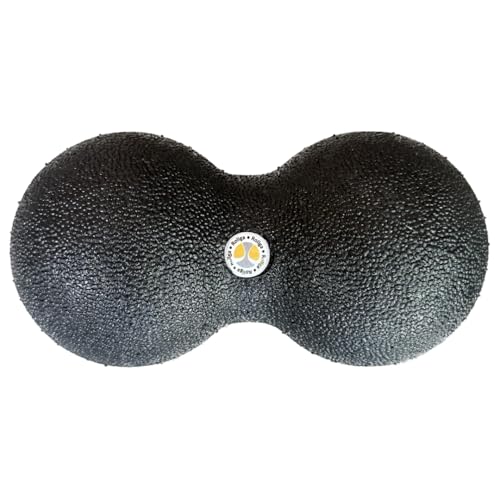
Rollga Peanut emphasizes grooves, bumps, and rounded ends to mimic the feel of hands and elbows. The grooves accommodate spine alignment and avoid direct pressure on bones, while bumps target precise muscle groups for deeper release. Best for users seeking a massage that resembles a professional deep-tissue session and for wall-based releases. Limitations include a higher price point and a design that may take a moment to get used to for first-time users.
Hard Peanut Massage Ball

This Double Lacrosse Massage Ball is designed for deep tissue work at home or in a clinic setting. It uses a durable TPR surface with a non-slip texture. It’s a solid choice for adults and older teens needing sustained pressure to release muscle knots along the back, neck, and legs. A potential limitation is that it may be too firm for beginners or sensitive areas; consider starting with a softer option if needed.
Buying Guide
- What size peanut ball is right for your back? Look for about 5″ length with a 2.5″ diameter as a versatile average, though back width and tolerance vary.
- What surface should you use? A wall or floor provides stable leverage; a couch or bed can reduce pressure but may be slippery.
- Which density suits your sensitivity? Softer textures are gentler for beginners; firmer options deliver deeper release for chronic knots.
- Is a hollow design preferable? Some users favor hollow gaps to avoid spinal pressure and better target surrounding muscles.
- Do you need portability? Carried bags and compact forms support travel, gym sessions, and on-the-go routines.
FAQ
- What is a peanut massage ball used for? It targets back fascia, trigger points, and surrounding muscles for release and mobility improvement.
- Can I use these on the spine? Most designs avoid pressing directly on the spine; place the ball beside or along the muscles adjacent to the spine.
- How often should I use a peanut roller? Short sessions (5–15 minutes) a few times per week can support ongoing mobility and knot relief.
- Is a double-ball design better than a single ball? Double balls offer a larger contact area and can better address back and waist regions without concentrating pressure on one point.
- Are these products safe for beginners? Start with lighter pressure and shorter sessions; switch to more intense use only as comfort allows.
- Do these tools replace professional therapy? They are supportive tools for self-massage and recovery, not a substitute for medical advice when needed.