When selecting picture cards for stroke recovery, the priority is clear, accessible communication that reduces frustration and supports daily needs. These visual AAC aids are best for adults with aphasia, speech difficulties, dementia, or post-stroke challenges, helping them point to needs and feelings. The top five products below are chosen for practical design, durable materials, and adult-friendly visuals. Use the brief buyer’s guide and FAQs to compare features and decide which fits your situation—caregivers, family members, and healthcare staff will find these options especially helpful.
| Product | Best For | Key Benefit |
|---|---|---|
| Aphasia Communication Cards for Adults, 50 PCS Visual AAC Aid | Adults with aphasia or post-stroke communication needs | 50 versatile cards covering daily requests and feelings |
| Plastic Communication Board for Non Verbal Adults, Picture Symbol Communication Cards | Care homes and hospitals | Durable boards with simple layouts for easy expression |
| Fuyoooo 3 Pcs Communication Boards | Caregivers needing multiple boards | Three boards for placement in different locations |
| 6Pcs Communication Board for Non Verbal Adults Aphasia Colorful | Outpatient and home use | Six themed boards with vivid symbols |
| 6 Pcs Communication Board for Nonverbal Adults Aphasia Colorful Picture Symbol Cards (Eaasty) | Nonverbal patients needing clear doctor-patient communication | Bright colors and clear patterns for quick understanding |
Aphasia Communication Cards for Adults, 50 PCS Visual AAC Aid
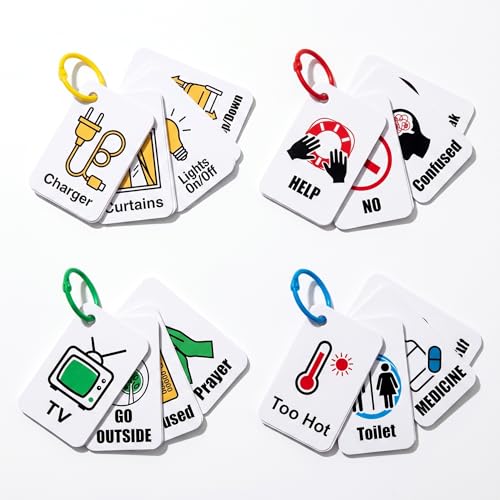
This 50-card set is designed for adults with aphasia or post-stroke communication needs. It helps users indicate common daily requests, needs, and feelings without relying solely on speech. The cards feature adult-appropriate illustrations, avoiding a childish appearance. Best for individuals seeking discreet, nonverbal support during daily activities and caregiver use in both home and clinical settings. Caution: some users may benefit from larger text or simplified imagery depending on their visual processing.
Plastic Communication Board for Non Verbal Adults

Includes four specialized boards designed for hospitals, care homes, and everyday life. It emphasizes durability with high-quality plastic and a simple layout to convey needs effectively. This option is best for caregivers and staff who require reliable, long-lasting boards that withstand frequent use. Limitation: the four boards may require periodic reorganization to keep symbols aligned with user preferences.
Fuyoooo 3 Pcs Communication Boards

Three boards in a bundle, offering value and convenience for placement in different locations. Rich set of symbols supports tailored communication for nonverbal adults and those with aphasia. Best for caregivers who want redundancy and easy access in various environments. Caution: boards are compact, so ensure visibility and icon size suit the user’s needs.
6Pcs Communication Board for Non Verbal Adults (Party Greeting)

This package includes six themed boards designed to help adults express basic needs and feelings. The colorful designs support quick recognition during therapy, hospital visits, or home use. Best for multi-location use and for users who benefit from clearly marked sections like “HOW DOES IT FEEL” and “FOOD PLACES.” Limitation: the vivid colors may be distracting for some users; assess preferred visual style.
6 Pcs Communication Board for Nonverbal Adults Aphasia Colorful Picture Symbol Cards (Eaasty)
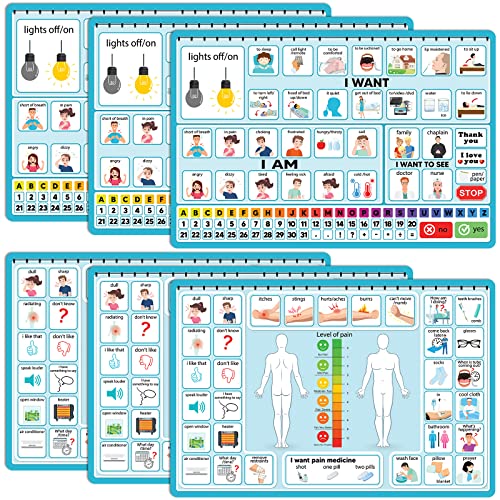
Six patient communication boards with bright colors and clear patterns. Suitable for daily use and replacement, these boards assist patients in telling doctors where they feel uncomfortable and in other care scenarios. Best for clinical and home settings where quick, visual yes/no or symptom prompts are needed. Caution: ensure hardware and markers used with the boards are compatible with the coated surface to prevent smearing.
Buying Guide
Key purchase considerations help you select the right picture cards for stroke patients:
- User needs: Choose sets with daily activity symbols (food, drink, bathroom, pain) for broad daily use, or therapy-focused boards with emotions and needs themes.
- Durability: Look for sturdy plastic or laminated cards to withstand frequent handling and cleaning in clinical environments.
- Layout and size: Boards should have clear, large icons and legible text if used with readers; consider the user’s vision and motor control.
- Portability: Bundles with multiple boards or compact sizes are convenient for home, hospital, and travel use.
- Care settings: Hospital, care home, and home care each benefit from different color schemes, symbol density, and ease of sterilization.
- Visual design: Adult-appropriate illustrations improve acceptance; avoid overly childish imagery for senior users.
- User customization: Some sets allow writing notes with a dry-erase marker; confirm compatibility with markers and erasing properties.
Frequently Asked Questions
- What makes picture cards effective for stroke patients?
They provide visual cues that reduce reliance on speech, enabling quick communication of basic needs and emotions. - Which features should I prioritize when selecting a board?
- Are these suitable for hospital use?
- Can you use these with children as well?
- How many boards should I start with?
- Do these require training to use effectively?
Durability, clear icons, appropriate size, and the relevance of daily-life symbols to the user’s routine.
Yes, many sets are designed for hospital, care home, and home use, with durable materials and simple layouts.
Several sets include flexible designs that support both adults and younger users with communication challenges.
A starter kit with 2–4 boards is common; you can add more boards as needs evolve or as rooms vary (home, bedside, therapy area).
Most sets are designed for straightforward use, but caregivers may benefit from light guidance on introducing symbols and encouraging consistent use.