People who rely on CPAP therapy while traveling or during outages need portable power that is safe, compact, and capable of running a CPAP machine through the night. The following selections emphasize portability, battery capacity, multiple output options, and essential safety features. This guide compares five top options to help you choose a backup power source that suits your CPAP model and travel plans.
Summary table of selected products:
| Product | Brand | Approx. Capacity | Key CPAP Use Notes | Typical Outputs |
|---|---|---|---|---|
| Explorer 300 | Jackery | 293Wh | Two AC outlets; lightweight for flights or car trips | 2 AC, PD USB-C, USB-A, DC car port |
| ES270 CPAP Battery | EASYLONGER | 99.9Wh | Airline-approved; ideal for air travel with CPAP | 4 CPAP cables, DC/USB ports |
| EnginStar Power Station 300W | EnginStar | 296Wh | Two 110V outlets; multiple ports for devices | 2 AC, 2 DC, USB ports |
| Renogy 72Ah/266Wh | Renogy | 266Wh | CPAP 150W DC output; focus on CPAP compatibility | 2 USB-C PD, DC output, USB-A |
| ThunderRider 300W | ThunderRider | 299Wh | Easy runtime planning; lightweight camping ready | 2 AC, USB-C, USB-A, DC |
Jackery Explorer 300 Portable Power Station

The Jackery Explorer 300 is a compact lithium‑ion battery system with 293Wh capacity and a total of 300W output capability. It provides 2 Pure Sine Wave AC outlets and several versatile ports, including a PD USB-C input/output port and USB-A. The unit weighs about 7.1 pounds, making it highly portable for overnight camping, road trips, or backup power during outages. Fast recharging options allow 80% capacity in roughly two hours via wall outlet and PD USB-C, with additional recharging through car adapters or optional solar panels. This model supports multiple devices simultaneously, which is helpful for CPAP users who may also need to power a phone, tablet, or small electronics alongside the CPAP. Key considerations include the balance of weight, output stability, and recharging flexibility for travel schedules.
EASYLONGER ES270 CPAP Battery

The ES270 is a TSA/FAA approved 99.9Wh CPAP battery designed for air travel. It can power ResMed AirMini and similar compact CPAP units for up to a full night when humidity and heater settings are minimized. The package includes CPAP cables compatible with several common models, expanding usable coverage for travelers who split devices between CPAP brands. Size is compact (about 5.1 by 2.9 by 1.9 inches), making it easy to carry in a backpack. While it excels for low‑power CPAP units, users should verify cable compatibility for their specific model and consider running the humidifier off to extend runtime if needed.
EnginStar Portable Power Station 300W

The EnginStar unit delivers 296Wh with two 110V pure sine wave AC outlets, supporting quieter operation and safety for sensitive electronics like CPAP machines. It includes multiple output ports (8 total) and a robust battery management system that emphasizes voltage and temperature control, reducing the risk of short circuits or overcharging. The device weighs about 6.5 pounds and is designed for camping, outdoor adventures, and emergency use. Its multiport design gives flexibility for travelers who need to charge a CPAP plus several devices at once, although it lacks solar panel inclusion in the basic package.
Renogy 72,000 mAh CPAP Battery

Renogy’s CPAP battery combines a substantial 266Wh capacity with dual USB‑C PD outputs and a dedicated DC/12V port suitable for CPAP usage. The 60W PD port can power laptops, while the other PD port charges phones quickly. The package warns that some CPAP models require a compatible adapter and that certain devices cannot be powered directly from AC. This option is well‑suited for longer CPAP sessions away from outlets, but it’s important to confirm compatibility with your specific CPAP model, especially if you rely on humidification or heated tubing.
ThunderRider Portable Power Station 300W
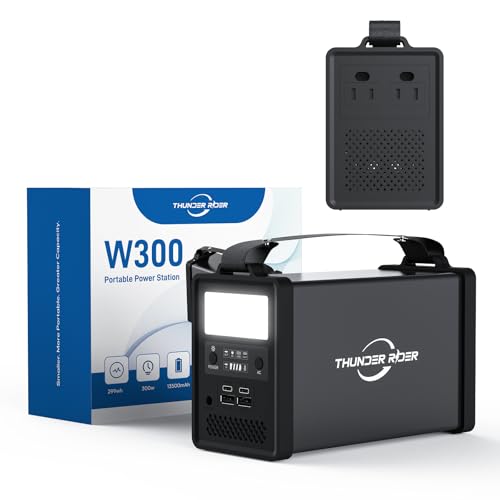
The ThunderRider model offers 299Wh of lithium battery capacity with a Pure Sine Wave system and six device outputs, including 2 AC outlets, 2 USB‑C ports, and 2 USB‑A ports. It is designed to deliver reliable runtimes for CPAP machines and other essential devices during outdoor activities or emergencies. The compact form factor and multiport design make it straightforward to plan power for a CPAP unit and backup devices. As with other similar units, ensure the total load remains within the 300W limit to avoid automatic shutdowns and verify your CPAP’s power draw in high‑humidification conditions.
Buying Guide: Key Considerations for CPAP Power Needs
- CPAP power draw and duration: Check your CPAP’s running wattage (including humidifier if used) and estimate nightly runtime using the power station’s watt‑hour (Wh) rating. A higher Wh rating generally means longer run time during the night.
- Output options: Prioritize devices with Pure Sine Wave AC outlets for safer operation of sensitive electronics. USB‑C PD ports can help charge CPAP accessories or mobile devices quickly, and a DC car port is useful for road trips.
- Portability versus capacity: Lighter units (under 7 pounds) are easier for travel, but may offer less runtime. If you frequently travel by air, consider airline restrictions on watt hours and choose models under 100Wh when possible, with off‑airline backups.
- Recharging flexibility: Look for multiple recharge paths (AC wall, car, solar) to maintain power during outages or remote locations. Fast recharge reduces downtime between uses.
- Safety and durability: Battery management systems that monitor temperature and voltage, over‑current protection, and certification (ETL or equivalent) add reliability for frequent use and travel.
- CPAP compatibility: Some CPAP machines (especially larger models) require DC input or specific adapters. Verify compatibility with your CPAP and planned charging cables before relying on a portable unit.
- Extras and warranties: Consider bundled CPAP cables and included accessories, as well as the manufacturer’s warranty and customer support quality for long‑term peace of mind.
Usage Scenarios and Perspectives
For frequent travelers, airline‑approved options with compact form factors are advantageous. If you mainly cope with weekend camping or RV trips, higher capacity units with multiple outlets ensure overnight power for CPAP and devices. Home backups benefit from larger units that can handle simultaneous CPAP use and essential appliances. When evaluating units, balance weight, capacity, and recharge options to fit your specific routine and travel patterns.
Overall, the five models above offer a range of capacities and features that cover most CPAP users’ needs. Consumers should confirm their device’s exact power draw, required cables, and preferred recharge method before purchasing to ensure uninterrupted therapy during travel or outages.
Notes on Safety and Compliance
Always follow CPAP manufacturer recommendations for power inputs. Use only cables and adapters intended for your CPAP model. When traveling by air, verify airline policies for battery powered devices and carry spare fuses or cables if required by the airline. Store power stations in a cool, dry place away from direct heat sources and extreme temperatures.