Need a reliable positioning belt for a wheelchair? This guide highlights five top options that balance security, comfort, and ease of use for different users and settings. Best for caregivers seeking adjustable, user-friendly belts; best for patients requiring strong postural support; best for on-the-go needs. The following table summarizes key details to compare at a glance.
| Product | Length / Width | Mount Type | |
|---|---|---|---|
| Rehabilitation Advantage Four Point Padded Wheelchair Positioning Belt | 60″ x 2″ | Back-side mounting with anchor Tri-Slides | Padded comfort; long-term seated positioning |
| The Aftermarket Group Wheelchair Positioning Strap | Up to 60″ long | Auto-style push buckle | Easily adjustable; quick release |
| MDSTOP Wheelchair Safety Belt | Adjustable; universal fit | Clasp/buckle with through-crotch design | Breathable comfort; versatile use |
| Rehabilitation Advantage Wheelchair Positioning Belt with Airline Buckle | 48″ x 2″ | Back-side mounting with airline buckle | Non-padded but simple, compact option |
| Q’Straint Q5-6327 Black Postural Positioning Belt | Standard padded torso support | Frame-mounted back canes or rear frame tubing | Discreet, professional postural support |
Rehabilitation Advantage Four Point Padded Wheelchair Positioning Belt
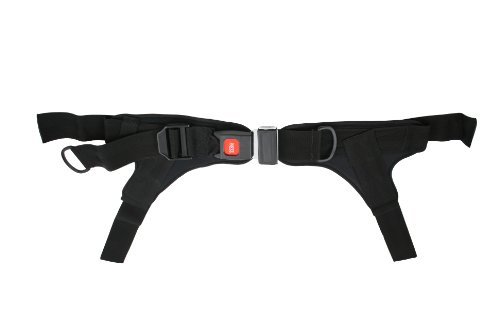
The Rehabilitation Advantage four-point padded belt adds extra comfort with padding across the torso while providing secure four-point restraint. It measures 60 inches long and 2 inches wide, with a 1/4-inch thickness and a push-button auto buckle. It mounts to the back side of most wheelchairs using anchor Tri-Slides. This belt is designed strictly for positioning, not as a vehicle restraint. Best for: users who require firm, distributed support across the torso and for caregivers prioritizing a stable seating posture. Limitation: installation requires mounting hardware and may require tools and specific back-sling compatibility.
The Aftermarket Group Wheelchair Positioning Strap

This auto-style positioning strap expands up to 60 inches and uses a push-button style buckle for easy clasping and detachment. Built with strong fabric, a metal buckle, and brass grommets for durability. Best for: caregivers seeking a simple, quick-adjustment belt for everyday positioning tasks and travels. Limitation: less padding than some padded models, which may matter for long-duration sitting or sensitive skin.
MDSTOP Wheelchair Safety Belt

MDSTOP offers a breathable, vest-style belt with a canvas outer layer, cotton interior, and a soft mesh lining. It uses an adjustable buckle to fit a range of body sizes and is suitable for wheelchairs, chairs, toilet chairs, and seats. Best for: users needing a comfortable, one-size-fits-all restraint with breathable materials. Caution: vest-style design may feel bulkier for some seating arrangements or tight spaces.
Q’Straint Q5-6327 Black Postural Positioning Belt

Q’Straint Q5-6327 provides professional-grade postural support with a discreet black webbing that blends with upholstery. It uses a wide anatomical pad to stabilize the torso, reducing forward slumping and lateral leaning. Mounted on the wheelchair frame canes or rear frame tubing, it travels with the user across environments. Best for: adult users or care facilities needing a low-profile, postural support belt. Limitation: non-padded options exist and may not suit all users seeking maximum comfort.
Buying Guide: Key Purchase Considerations
What level of postural support do you need?
Postural support ranges from lightweight positioning belts to padded, multi-point systems. If the user tends to slump or lean, a wider, padded belt with multiple attachment points (like the four-point padded option) provides more stable torso support. For everyday positioning with minimal bulk, a simple airline buckle or auto-style belt might suffice.
How important is padding and comfort?
Padded belts reduce skin irritation and distribute pressure more evenly. Choose a belt with sufficient padding if the user sits for long periods or has sensitive skin. For short-term positioning or travel, non-padded straps may be adequate.
How is the belt installed?
Belts mount differently: some attach to the back of the chair using anchor slides, others mount directly to frame tubing or canes. If you lack tools or want to avoid chair modification, look for belts with clip-on or strap-mounted installation and clear mounting instructions.
Is adjustability a deciding factor?
Longer belts accommodate larger chairs or users, but they should still fit securely. Auto-style buckles and quick-release mechanisms simplify caregiver use, especially for users needing frequent repositioning throughout the day.
Who is the user?
Consider age and mobility: elderly users, adults with limited strength, or children may benefit from different designs. Vest-style belts distribute pressure more evenly and can be safer for users with unpredictable movement, while sleek, low-profile belts may be preferred in professional or transit settings.
Durability and materials
Materials like heavy-duty canvas, nylon webbing, and reinforced stitching contribute to belt longevity. Brass grommets and metal buckles also affect durability. If a belt will see daily use, prioritize models with robust hardware and high-quality fabric.
Frequently Asked Questions
- What is the main purpose of a wheelchair positioning belt? The primary purpose is to help keep a user seated upright, reduce forward tipping, and improve overall posture for comfort and safety during daily activities.
- Can these belts be used as vehicle restraints? No. Most are designed strictly for positioning in a wheelchair, not for automotive restraint purposes.
- How do I know which belt fits my wheelchair? Check the belt length, mounting method, and whether it attaches to the back of the chair or frame. Measure your chair’s back height and frame geometry to ensure compatibility.
- Are padded belts better than non-padded belts? Padded belts reduce skin irritation and distribute pressure more evenly, which can be beneficial for long-term seating. Non-padded belts are lighter and may be easier to adjust in tight spaces.
- How do I adjust a belt for different users? Look for adjustable buckles and length options that accommodate various body sizes. Quick-release buckles are helpful for caregivers managing multiple users.
- Is professional assessment needed for seating belts? For users with complex postural needs or existing medical concerns, consult a clinician or therapist to determine the best belt type and mounting approach.