When a dog sustains a cut, scratch, or skin irritation, a saline-based spray can be a practical first-aid choice. This guide highlights five reliable saline or saline-adjacent wound care products suited for dogs and other pets, focusing on safety, ease of use, and healing support. The selections cater to busy owners, travel-ready kits, and households with multiple animals. Below, compare each option, who it’s best for, and why it stands out.
| Product | Best For | Key Benefit |
|---|---|---|
| Vetericyn Plus 3 oz | Small injuries, skin irritations | Hypochlorous-based, safe if licked |
| NeilMed Cleanse Sterile 6.3 oz | Freshen and rinse wounds | Sterile, isotonic saline, travel-friendly |
| Vet Aid Wound Care Spray 4 oz | Dermatitis and hot spots | All-natural sea salt wound care |
| SILVER GRADE Wound Spray 4 oz | Hot spots, rashes, scratches | Colloidal silver-based wound care |
| SkinSmart Antimicrobial 8 oz | General wounds and itching | Hypochlorous acid, safe around face and ears |
Vetericyn Plus Dog Wound Care Spray, 3 Ounces

Features: Healing aid and skin repair; daily use to flush cuts, abrasions, sores, and irritations. Safe for all animals at all life stages. Non-toxic hypochlorous technology; pH-balanced and safe if licked.
Best for: Small daily wounds and skin irritations on dogs and other pets. This product is selected for its balanced pH and lick-safety, making it suitable for households with curious pets.
Caution: While generally safe if ingested in small amounts, avoid spraying directly into open wounds beyond gentle cleansing and consult a vet for severe injuries.
NeilMed Cleanse Sterile Saline Wound Wash, 6.3 Ounce

Features: Safe, gentle cleansing of superficial abrasions; sterile and preservative-free isotonic saline; convenient for first aid, home, travel, and outdoor use. Pack of 1.
Best for: Quick rinses and cleaning on-the-go or during travel, camping, or playground activities. Chosen for its sterile, preservative-free formulation and portability.
Caution: Not a medicated product; do not rely on it for deeper wounds or severe infections without veterinary guidance.
Vet Aid Animal Wound Care Spray, 4 oz

Features: All-natural sea salt wound care; recommended by veterinarians worldwide; suitable for post-operative wounds, abscesses, dermatitis, hot spots, lacerations, rain rot, and more.
Best for: Pets needing a basic saline-based spray with natural ingredients, particularly useful for hot spots and minor abrasions. It is a versatile option for ongoing wound maintenance.
Caution: May not be sufficient for deep puncture wounds or complicated wounds requiring veterinary intervention. Use as part of a broader wound-care plan.
SILVER GRADE Wound Spray for Pets, 4 oz
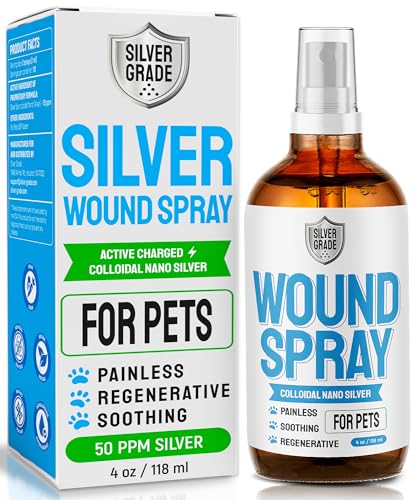
Features: Colloidal silver wound care for dogs and cats; helps with hot spots, scratches, cuts, and skin irritations; designed for all sizes and breeds; includes two ingredients: colloidal silver and deionized water.
Best for: Quick relief from surface skin irritations and minor wounds; suitable for pets that benefit from a gentle, non-antibiotic option. Use with a cone for dogs prone to licking.
Caution: Colloidal silver products may not be appropriate for all conditions; avoid using on deep or infected wounds without veterinary guidance.
SkinSmart Antimicrobial Wound Care for Pets, 8 Ounce

Features: Hypochlorous acid-based; removes bacteria to promote healing and relieve itch; safe if licked; spray is touch-free, minimizes discomfort; suitable around eyes, nose, mouth, and ears.
Best for: Wounds, scratches, hot spots, and bites where a gentle, antimicrobial spray is preferred. Choose this for a broad-safe option around sensitive areas and frequent licking.
Caution: While safe near facial areas, avoid prolonged direct exposure to open wounds unless advised by a veterinarian.
Buying Guide: How To Choose The Right Saline Wound Spray For Dogs
Product type matters. Saline sprays cleanse and protect, while antimicrobial or colloidal silver variants add additional infection-control benefits. Consider the following:
- Wound type and severity: Light scrapes and hot spots may do well with saline or wax-free water-based sprays. Deeper wounds or suspected infection require veterinary evaluation.
- Safety and lick-resistance: If your dog licks frequently, look for formulas explicitly described as safe if licked or around the mouth and eyes.
- Ingredients: Hypochlorous acid provides antimicrobial action with low irritation. Colloidal silver offers rapid relief for some skin irritations but may not suit every condition.
- Convenience: Travel-friendly bottles and easy spray mechanisms help with quick applications during walks or outdoor activities.
- Size and coverage: For multi-pet homes, a larger bottle may reduce the need for frequent reordering, while smaller bottles suit car kits and travel.
Usage tips: Cleanse the area briefly, apply spray as directed, and allow to air-dry. Avoid covering wounds with occlusive dressings unless advised by a veterinarian. For persistent or worsening symptoms, seek veterinary care promptly.
Frequently Asked Questions
- What is saline wound spray for dogs best used for?
Best used for cleaning superficial wounds, scratches, and minor skin irritations while preventing infection and aiding healing.
- Can I use saline spray around a dog’s eyes or mouth?
Many formulas are labeled as safe to spray around sensitive areas, but always follow the product’s instructions and consult a vet if unsure.
- Is antimicrobial spray necessary for every wound?
No. For minor wounds, a simple saline rinse may suffice. Antimicrobial sprays are more appropriate when there is a higher risk of infection or existing infection signs.
- How should I apply these sprays to a restless dog?
Have someone help hold the dog lightly, or create a calm, stationary moment. Apply the spray and allow the area to dry before activity resumes.
- When should I contact a veterinarian?
If the wound is deep, bleeding heavily, showing pus, has a foul odor, or if there is widespread swelling or fever, seek veterinary care promptly.
- Are these products safe for other pets?
Yes, most are labeled for use on dogs and other animals. Check the label for specific species guidance and life-stage safety.