Choosing the right scoop and pressure-relief mattress for a hospital bed is essential for preventing sores and promoting comfort during recovery. This guide highlights top-shelf options designed for bedridden patients, including alternating air pressure toppers and foam gel mattresses. Each pick prioritizes pressure redistribution, ease of cleaning, and compatibility with standard hospital beds. Read on to compare features and find the best fit for home care or clinical settings.
| Product | Type | Key Benefit |
|---|---|---|
| Vive Alternating Air Pressure Mattress Pad | Alternating air pressure topper | Whisper-quiet pump, 130 air cells for even pressure distribution |
| Invacare Premier Hospital Bed Mattress | Foam mattress with U-core | Three-zone support, high weight capacity, pressure redistribution |
| Livaclean Health Gel Memory Foam Mattress | Gel memory foam with waterproof cover | Pressure relief, spinal alignment, hygiene-friendly cover |
| Kekoy Alternating Air Pressure Mattress Pad | Alternating air pressure topper | 5 pressure modes, 130 cells, quiet operation |
| Lumex Select Hospital Bed Mattress | Multi-layer medical foam | Cooling air pockets, improved comfort across sleep zones |
Vive Alternating Air Pressure Mattress Pad
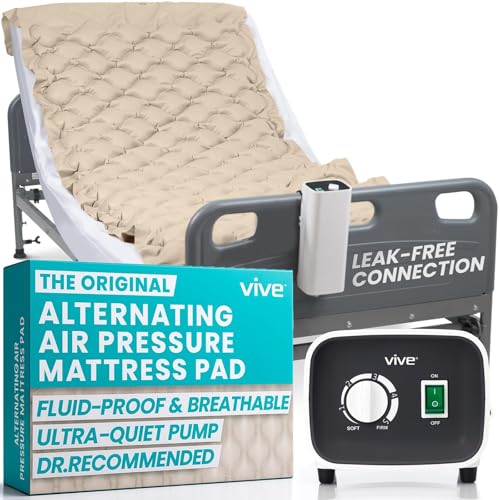
The Vive bed topper uses 130 air cells and a wave-like algorithm to distribute weight evenly. This helps relieve pressure spots quickly for immobilized patients. The device includes a whisper-quiet pump operating around 22 dBA and offers multiple pressure levels. The system aims to reduce contact time on vulnerable areas, supporting improved circulation and skin integrity for bedridden individuals.
Invacare Premier Hospital Bed Mattress
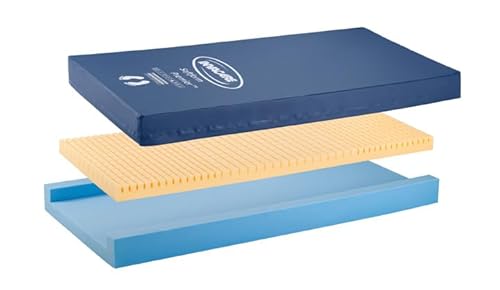
This foam mattress features two independent layers with a unique U-core and a contoured foam insert. It is designed to support high-risk patients with enhanced pressure redistribution and a solid weight tolerance. The Softform Premier 3-zone construction provides targeted support for the head, mid-section, and feet, improving comfort and reducing the risk of pressure injuries over time.
Livaclean Health Hospital Bed Mattress – Twin XL

Designed for home and clinical use, this Twin XL gel memory foam mattress delivers enhanced pressure relief and spinal alignment. A removable waterproof cover keeps the mattress hygienic and easy to clean, supporting long-term use in medical settings. It suits adjustable beds and helps maintain comfort for extended recoveries or ongoing care.
Kekoy Alternating Air Pressure Mattress Pad (Beige)

With 130 air cells and a compact initial packaging, Kekoy expands to 75″ x 35″ after inflation. It features micro air vents for airflow and a 5-mode pump to tailor firmness. The system cycles every 10-12 minutes with a gentle wave pattern to massage key body areas, helping prevent prolonged pressure exposure and promoting circulation.
Lumex Select Hospital Bed Mattress
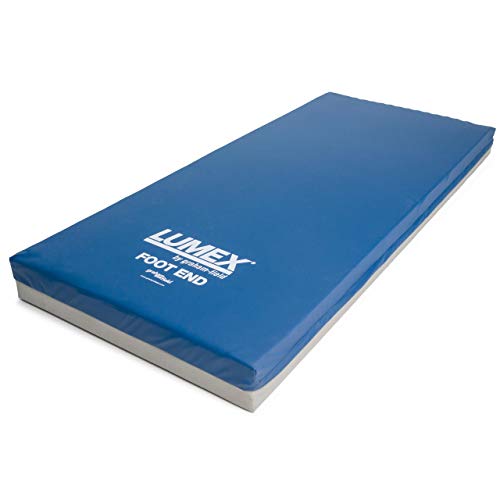
Featuring multi-layer medical foam with airflow pockets, this twin XL mattress aims to balance support and cooling. Its design emphasizes compatibility with adjustable bases and improved heat dispersion, which can contribute to more comfortable sleep for patients who require extended bed rest and need steady pressure relief across the body.
Invacare Hospital Bed Mattress – Solace Prevention

Solace Prevention mattresses use dual-layer foam with zoned pressure relief and a fortress-shaped cell design. The top layer cushions high-pressure areas while the bottom layer adds long-term durability. A fluid-resistant waterproof cover with a welded zipper supports easy cleaning and infection control in clinical or home-care environments.
Buying Guide: Key Considerations For Hospital Bed Mattresses
- Pressure redistribution: Look for products with multi-zone foam or multiple air cells that evenly distribute weight to prevent pressure injuries in high-risk areas.
- Mode and cycle control: Altair or alternating air models with adjustable pressure levels and cycle durations allow customization for patient comfort and care plans.
- Bed compatibility: Ensure the mattress size matches the hospital bed’s inner dimensions, plus consider Twin XL options for wider beds.
- Cleaning and hygiene: Waterproof or fluid-resistant covers simplify sanitation and reduce infection risk in clinical and home settings.
- Noise level: For patient rest, opt for whisper-quiet pumps or low-noise operation to minimize sleep disruption.
- Durability and materials: High-density foam, heat-sealed air cells, and reinforced seams increase longevity under daily use.
- Weight capacity: Check the mattress’s maximum patient weight tolerance to ensure safe support for all patients.
- Maintenance and replacement: Consider models with easy pump replacement options and straightforward cleaning routines.
- Allergy and VOC considerations: Choose low-VOC foams and materials to support a healthier sleeping environment.