In a busy waiting area, a clear, well-placed sign helps patients navigate quickly and reduces confusion. This guide highlights five durable, easy-to-install signs that suit medical or wellness settings. Best for clinics needing quick status updates, calming waiting room visuals, or simple check-in processes. The picks below balance visibility, ease of use, and professional aesthetics to improve patient flow and staff efficiency.
| Product | Why It Stands Out | Best For |
|---|---|---|
| Waiting Room Sign – Premium Acrylic | High-contrast text, frosted acrylic, quick 3M tape installation | |
| Vgrti Please Have A Seat | Humorous touch to ease anxiety in waiting areas | Therapy and counseling offices |
| ABC Self Adhesive Sign-In Sheet | Bright cloud design with practical patient name log | Front-desk and intake areas needing sign-in handoffs |
| Examination In Progress/Available Sign | Two-color status indicator with easy slide for updates | Medical offices and exam rooms |
| Abudada Do Not Disturb / In Use Sign | Premium metal finish with universal color coding | Wellness centers, spas, therapy rooms |
Waiting Room Sign – Premium Acrylic Material
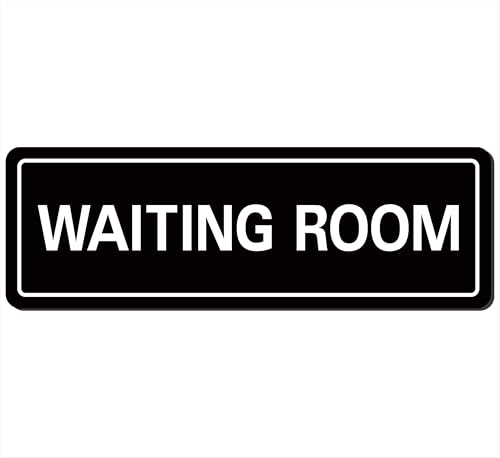
Best for: Front-desk areas in professional spaces needing clear, distant readability. The frosted acrylic with a matte finish reduces fingerprints and keeps a polished look. The high-contrast printing ensures legibility from a distance. This sign installs quickly using strong 3M double-sided tape, making it ideal for temporary rearrangements or periodic updates. Avoid this if a larger size is required for extremely large rooms.
Vgrti Please Have A Seat Your Therapist Will Be With You Shortly

Best for: Therapy or counseling settings seeking a gentle, approachable vibe. The sign uses a wood box design to add warmth and a light touch of humor, which can reduce anxiety for waiting clients. Use in reception areas or near treatment rooms to set expectations. Caution: Humor may not suit all clinical environments; pair with more formal signage if needed.
ABC Self Adhesive Patient Sign-in Sheet
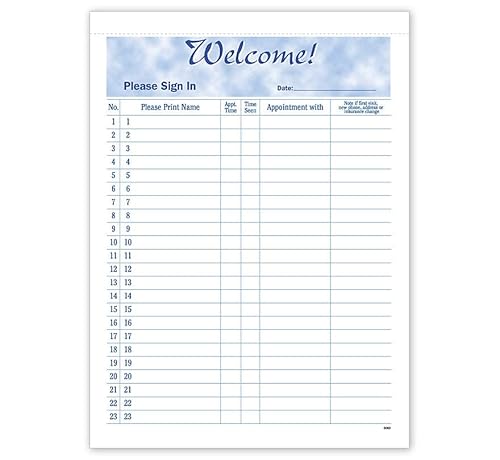
Best for: Reception or waiting-area desks requiring a quick, organized sign-in process. The cloud design adds brightness and a friendly feel, while the lined sheet accommodates up to 23 names with arrival times. Self-adhesive labels simplify charting. Limitation: Not a wall signage item; intended for desks or counters with flat surfaces.
Examination In Progress/Available Sign
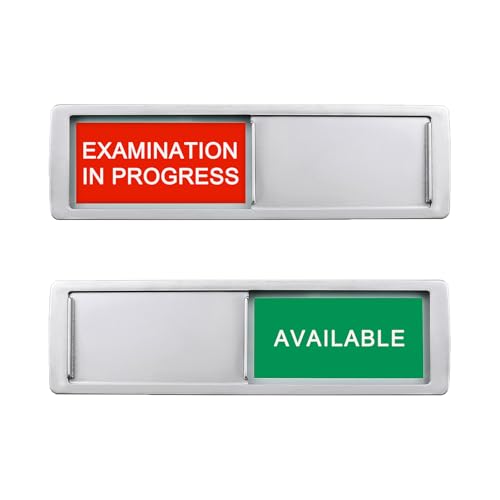
Best for: Medical offices and busy exam rooms needing immediate status updates. The dual-color indicators clearly signal whether a room is in use. A smooth slider keeps content stable while changing status. Use where quick non-verbal cues reduce interruptions. Limitation: Requires a flat surface for best adhesion; ensure mounting area is clean before applying.
Abudada Do Not Disturb/ In Use Sign
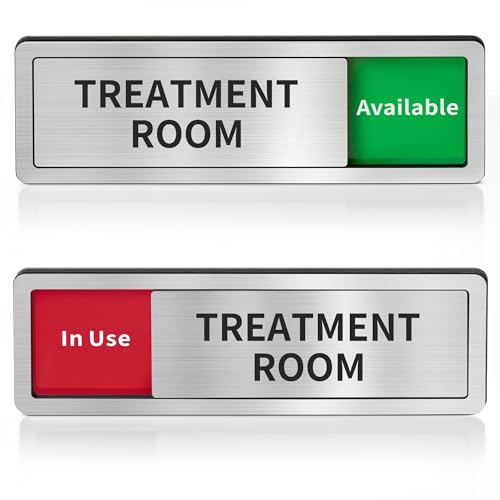
Best for: Wellness centers and spa environments needing a polished, privacy-conscious signal. The premium brushed silver metal finish adds a refined look, and the color-coded In Use vs. Available tabs minimize miscommunication. Choose this if you prioritize a durable, high-end appearance. Caution: Metal signs can reflect glare; place where lighting won’t obscure visibility.
Exam Room Sign, In Use/Available Slider

Best for: Therapists, clinics, and hospital offices needing clear room status indicators. The high-visibility white on red and green backgrounds ensures quick recognition from a distance. Easy adhesion means no tools required. Limitation: Some surfaces may require surface prep for optimal stickiness; check surface material first.
Buying Guide
Signage goals: Determine whether you need status indicators, patient sign-in tools, or calming waiting-room visuals. Consider sign size, visibility distance, and whether wall, door, or desk placement better suits your space.
- Material and finish: Choose acrylic for a clean, modern look; metal for premium durability; wood for a warm, welcoming feel.
- Adhesion vs. mounting: Self-adhesive options simplify installation but verify surface compatibility. Some signs perform best with screws or magnets on metal surfaces.
- Color coding: Use red/green status signs or high-contrast text for quick readability, especially in busy areas.
- Durability: Look for fingerprints-resistant finishes and fade-resistant colors to maintain a professional appearance over time.
- Maintenance: Select surfaces that are easy to wipe clean and resistant to common disinfectants used in clinics.
- Placement strategy: Place signs at eye level and near the point of patient flow (reception, doorway, or exam-room entrance) for maximum impact.
Frequently Asked Questions
- What should a waiting room sign communicate? A: It should clearly convey patient flow, status (e.g., “In Use” vs “Available”), and any action needed from staff or patients.
- Which sign material lasts longest in a high-traffic area? A: Metal finishes and frosted acrylic are among the most durable, resisting fingerprints and wear.
- Is a sign-in sheet sign necessary in every clinic? A: Not always, but it helps organize patient flow and capture arrival times in busy front-desk environments.
- How should I choose colors for room status signs? A: Use high-contrast color pairs like red/green or black/white to ensure visibility from a distance and across lighting conditions.
- Can I mix different styles in the same waiting area? A: Yes, but ensure a cohesive look by harmonizing finishes (e.g., metal, acrylic, and wood accents) and keeping typography consistent.
- What installation method is best for glass doors? A: Strong adhesive with careful surface preparation works well; consider a sign design compatible with glass if needed.